
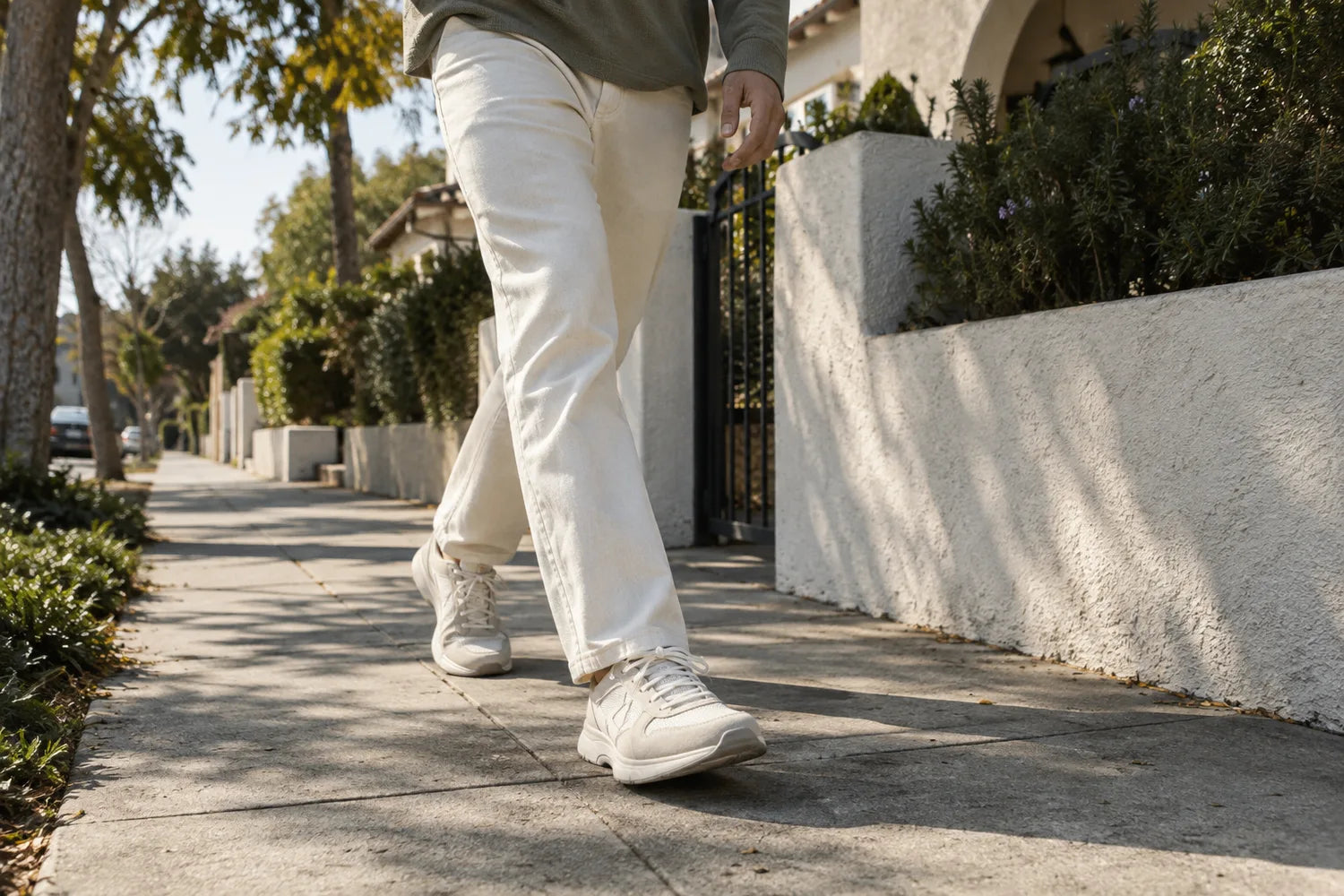
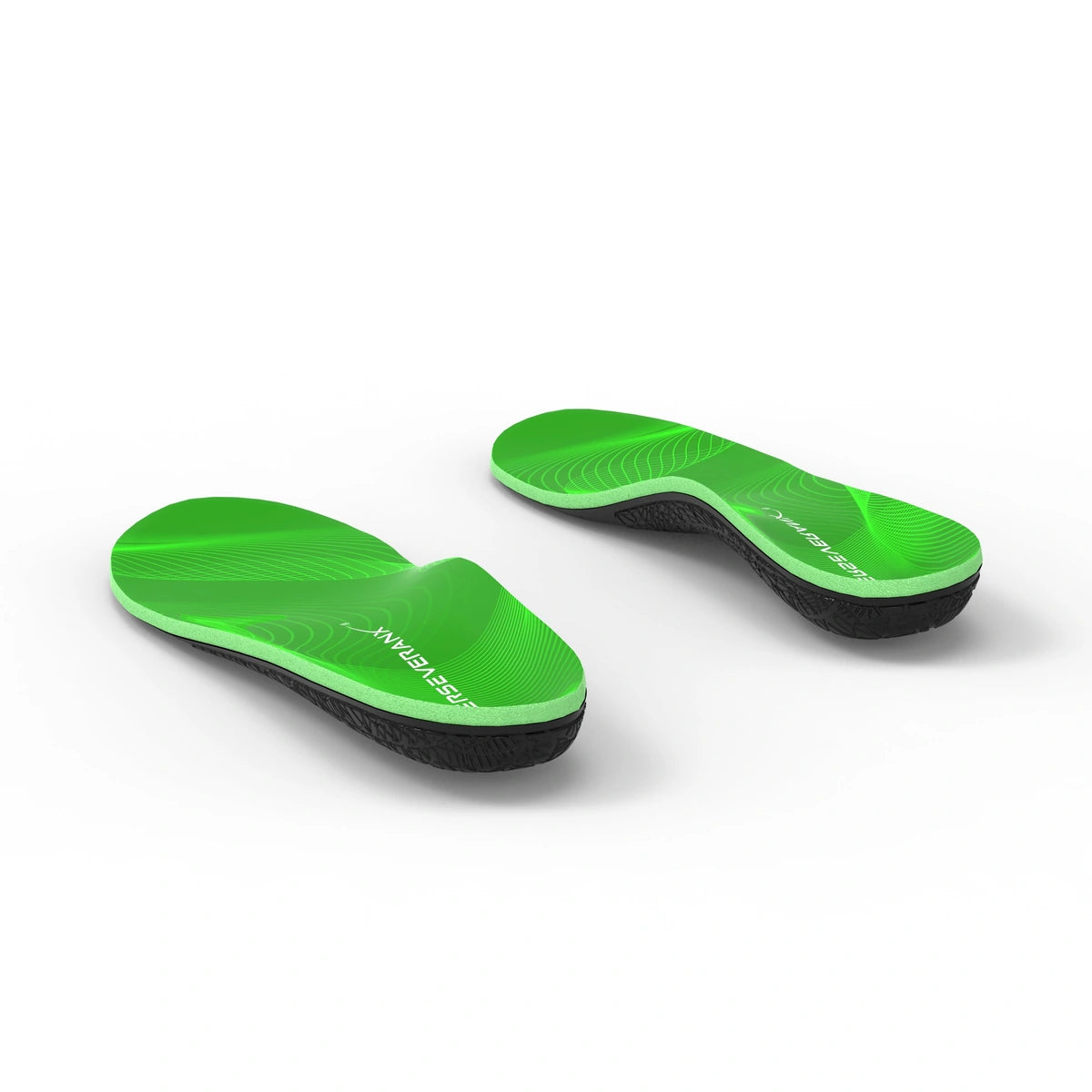
Bouncy: cushion and rebound.
Cushioned contact with a pronounced spring for running and training.
The interactive material study is available when this page’s scripts load.
Pair savings
Mix models, sizes and colors.
Applied automatically in cart. No code needed.
Your total number of pairs sets your saving: 15% for 2 pairs, 17.5% for 3, or 20% for 4 or more. Cannot be combined with other discounts.
International shipping calculated at checkout. Taxes calculated at checkout.
How it works
Cushioning gives. Your arch has support. The material recovers for the next step.
Cushioned contact with a pronounced spring for running and training.
The interactive material study is available when this page’s scripts load.
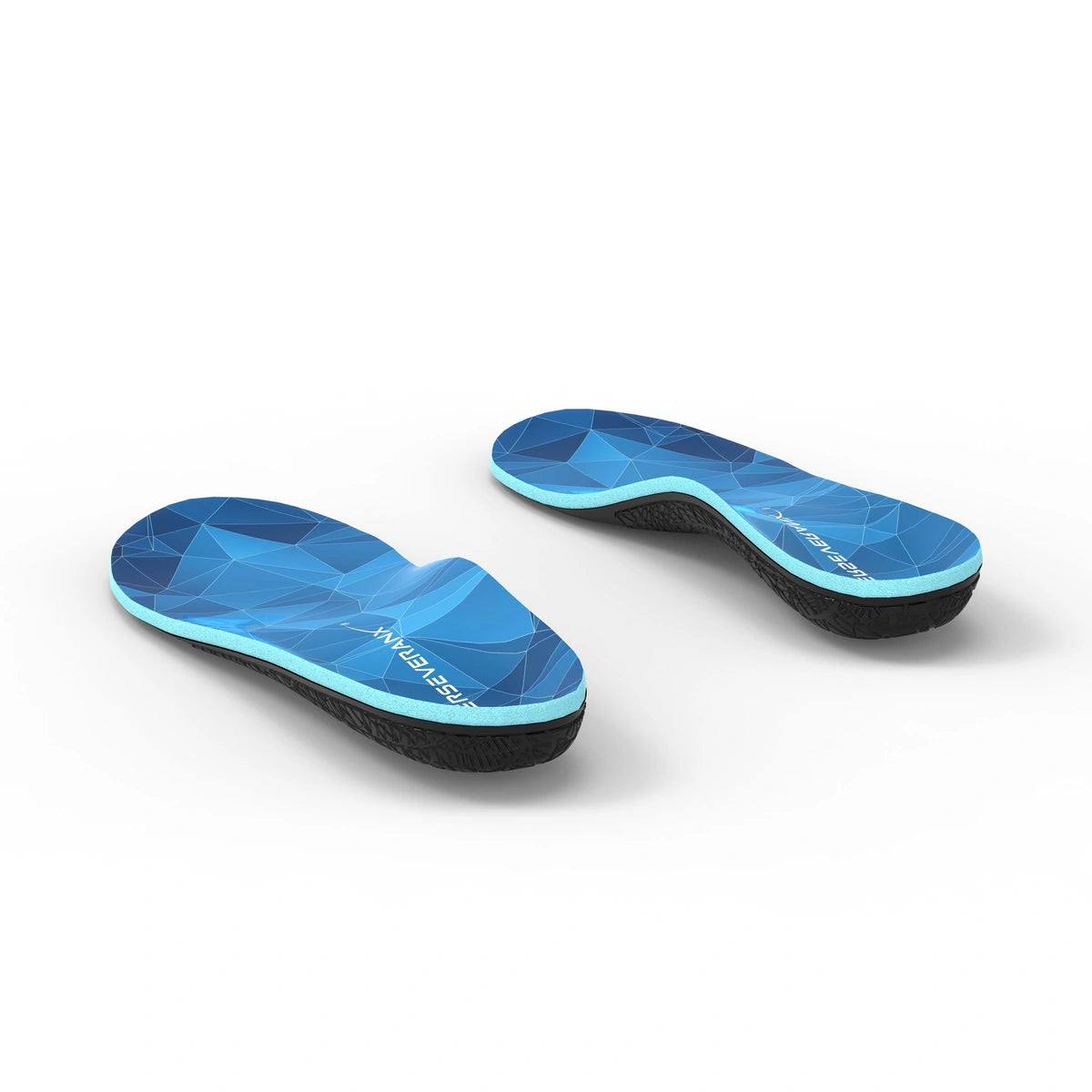
A yielding cushion with a low-bounce response for standing and walking.
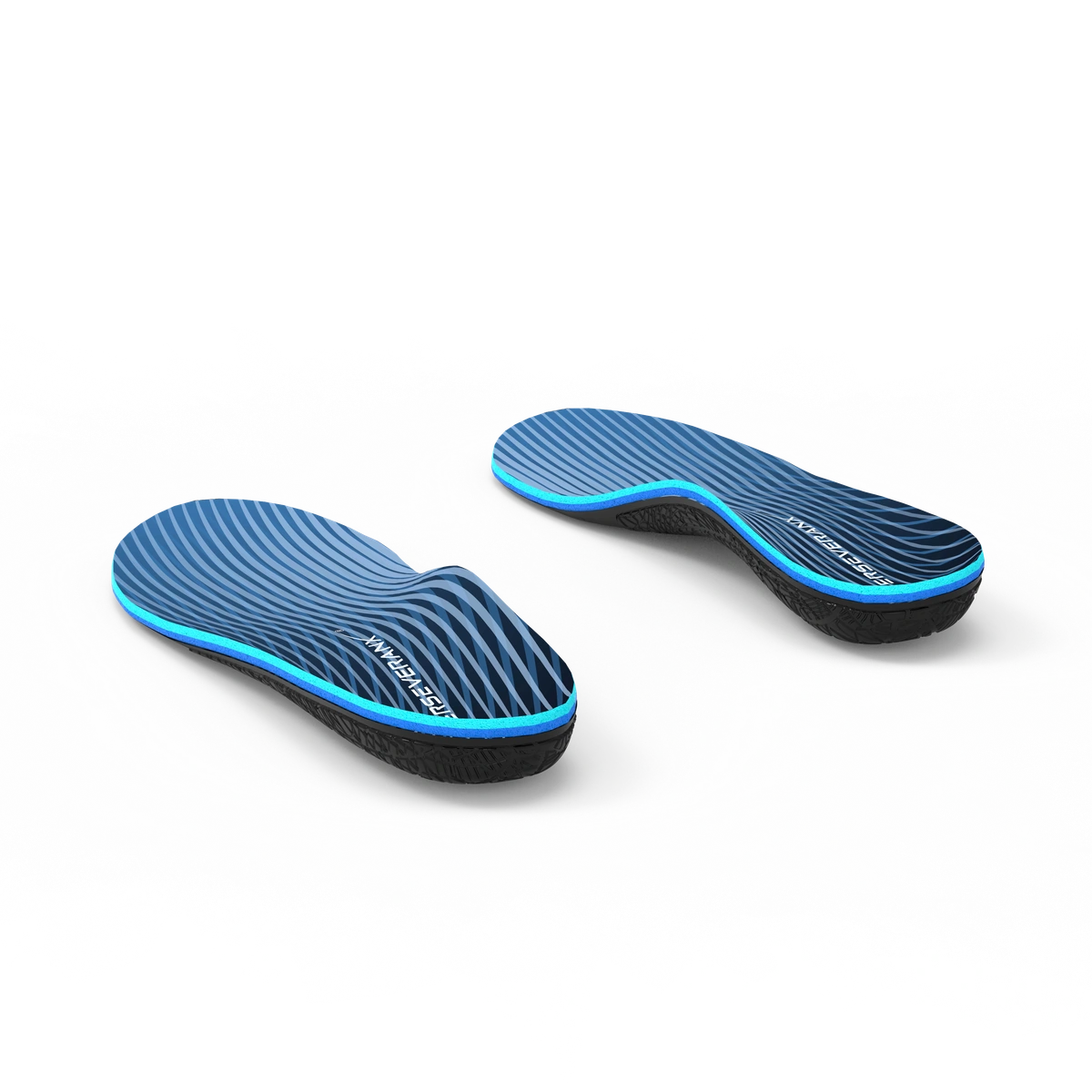
Less easy compression than Embrace, with a more substantial, low-bounce feel.
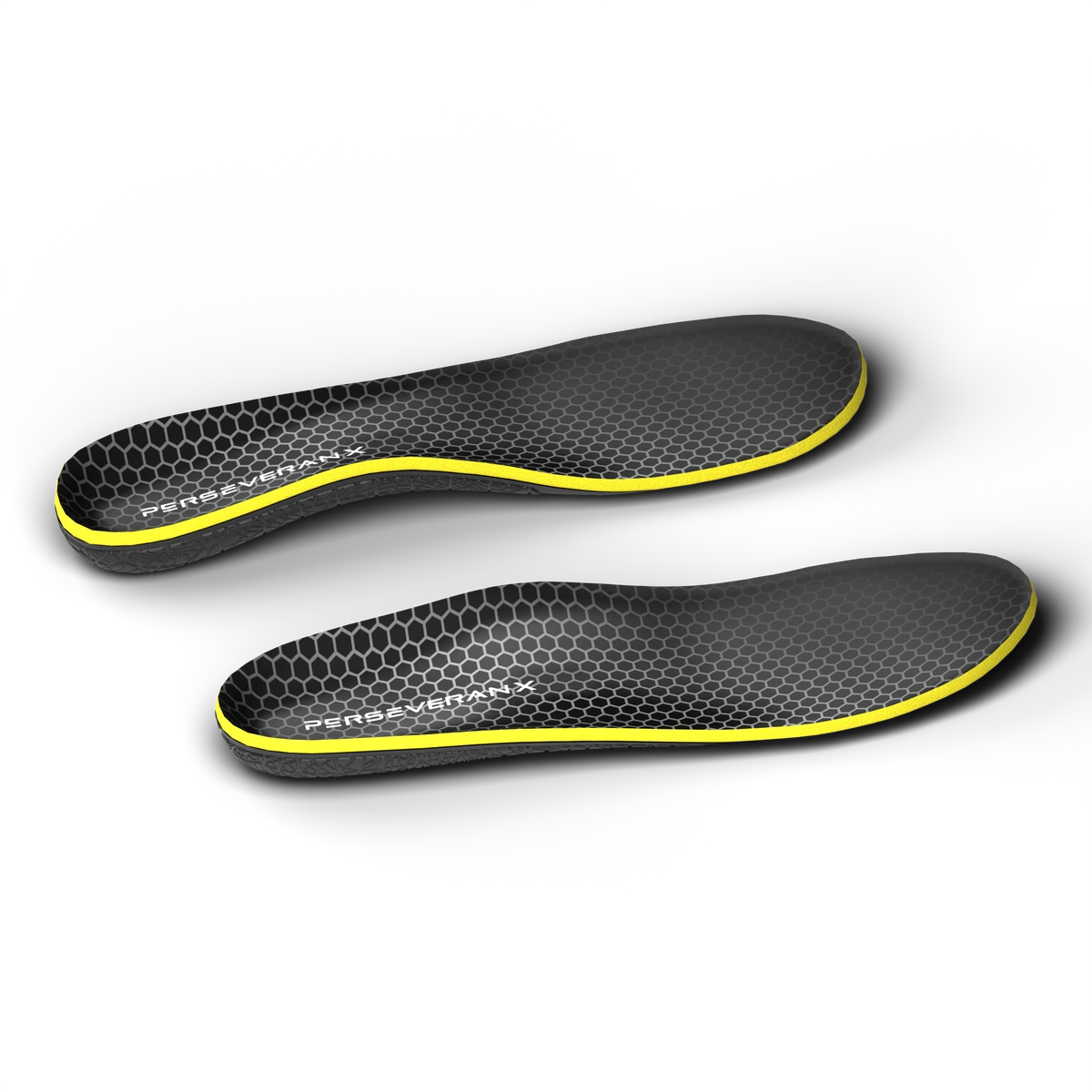
Flexible under gradual pressure, with a firmer response when impact arrives quickly.
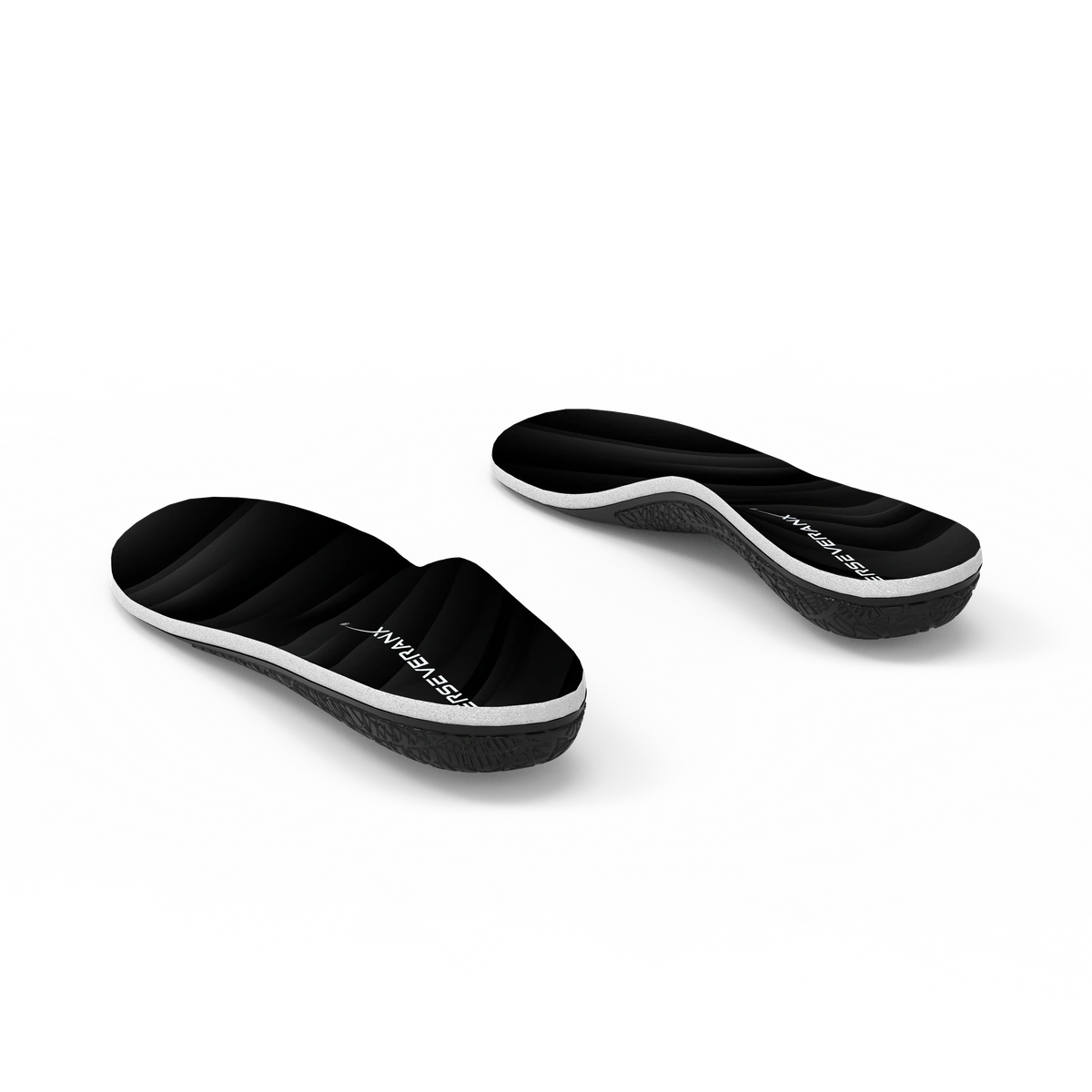
Easy soft contact and a springy return for everyday walking.
Five feels, all selected for recovery and resistance to packing down. The studies illustrate material character; motion and indentation are not measured comparisons.
Inside the insole
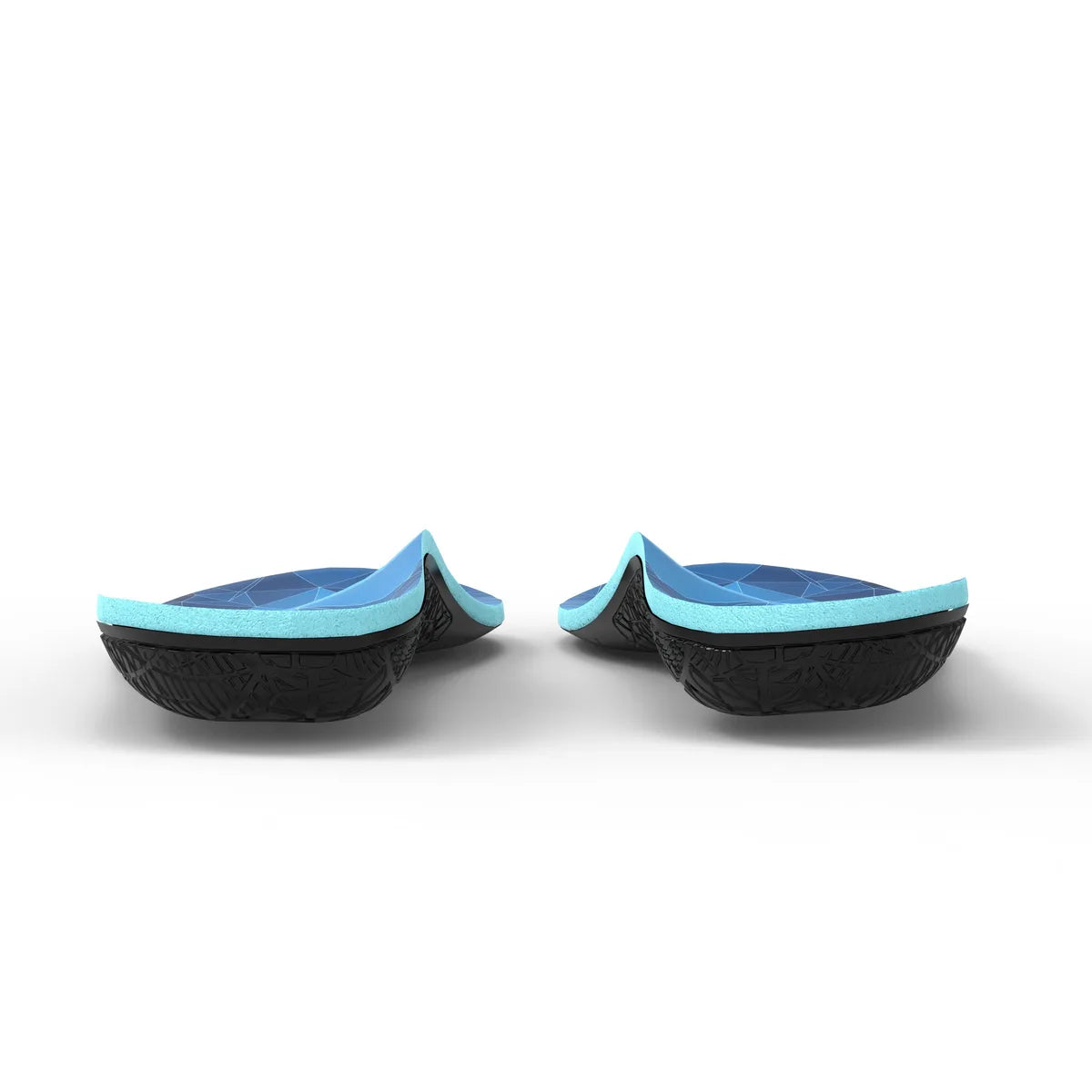
The comfort layers soften what you feel. The frame beneath them gives your arch support and your heel a shaped place to sit.
Three layers. A different job for each.
Both the turquoise and blue layers are Fusion’s cushioning. The black strip beneath them is the comfort layer.
Approx. 0.16 in (4 mm)
Gives under the impact of your step, then rebounds as pressure lifts. This is the layer that gives Bouncy its lively feel.
View highlighted layerSlim at the forefoot. Fuller at the heel.
The shaped middle layer follows the insole’s contour, between the responsive cushion and the supporting frame.
EVA is approximately 0.04 in (1 mm) at the forefoot, with a thicker heel section. The cushioning and EVA measurements are individual layers, not total insole height.
Raised arch support · Deep heel cup
A firm foundation supports your arch and cradles your heel. The softer layers above cushion your contact with that support.
Molded TPU provides the supporting structure. The frame connects through the center beneath the comfort layers.
Your foot meets the cushion. Your arch has a foundation beneath it.
From the illustration to the sample
Look at the rebound. Then look at what’s left on the surface.
Real samples · Original speed
Separate compression testing informs our choice of materials that resist lasting flattening. This clip shows a sample demonstration, not a long-term wear test or a measured health outcome.
No. Embrace and Fusion give under pressure with a lower-bounce feel. Bouncy and Plush have a more noticeable spring. The amount of bounce is a feel preference, not a ranking of cushioning quality.
The frame is firm; the cushioning sits above it to soften contact. You can feel support without pressing directly on the frame. The contour should meet your arch comfortably, without a sharp pressure point.
Check the fit in your shoes ↗No. Approximately 0.16 in (4 mm) describes the cushioning layer. The shaped EVA layer, support frame and cover are additional parts. The heel and arch profile are higher than the forefoot.
We select cushioning for shape recovery and resistance to packing down. A low-bounce feel can still recover its shape. With use, check for lasting flattening, damage or a changed feel when deciding whether your insoles need replacing.
No arch-height label is needed to choose among these five feels. They share raised arch support and a deep heel cup. Start with the cushioning you prefer, then check the fit and available room inside your shoes.
Find your fit with the Quiz ↗BouncyPronounced spring