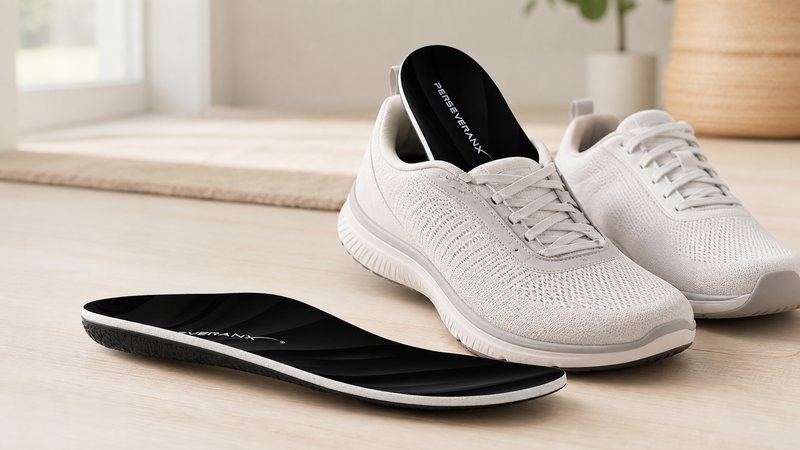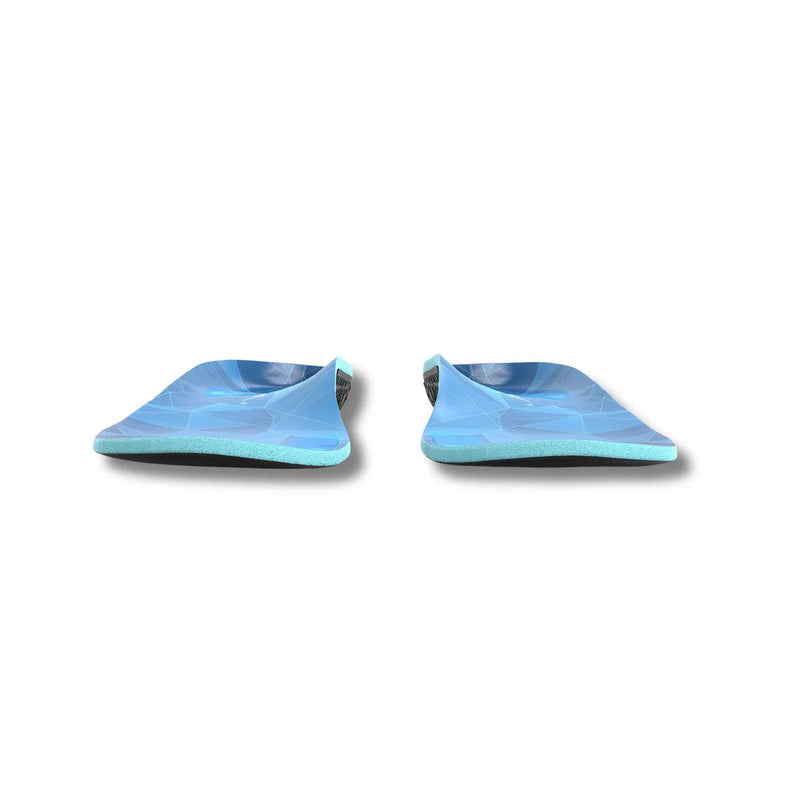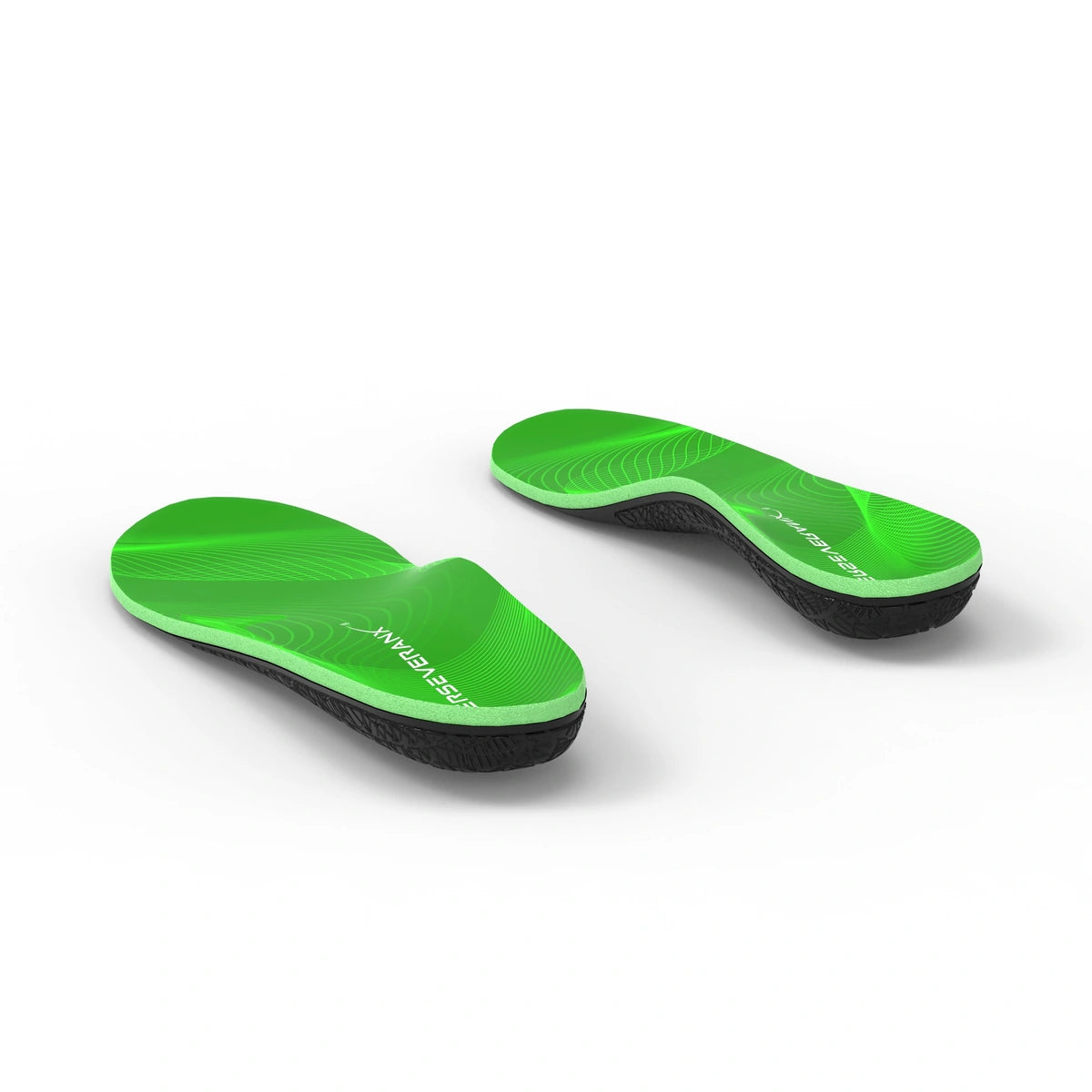
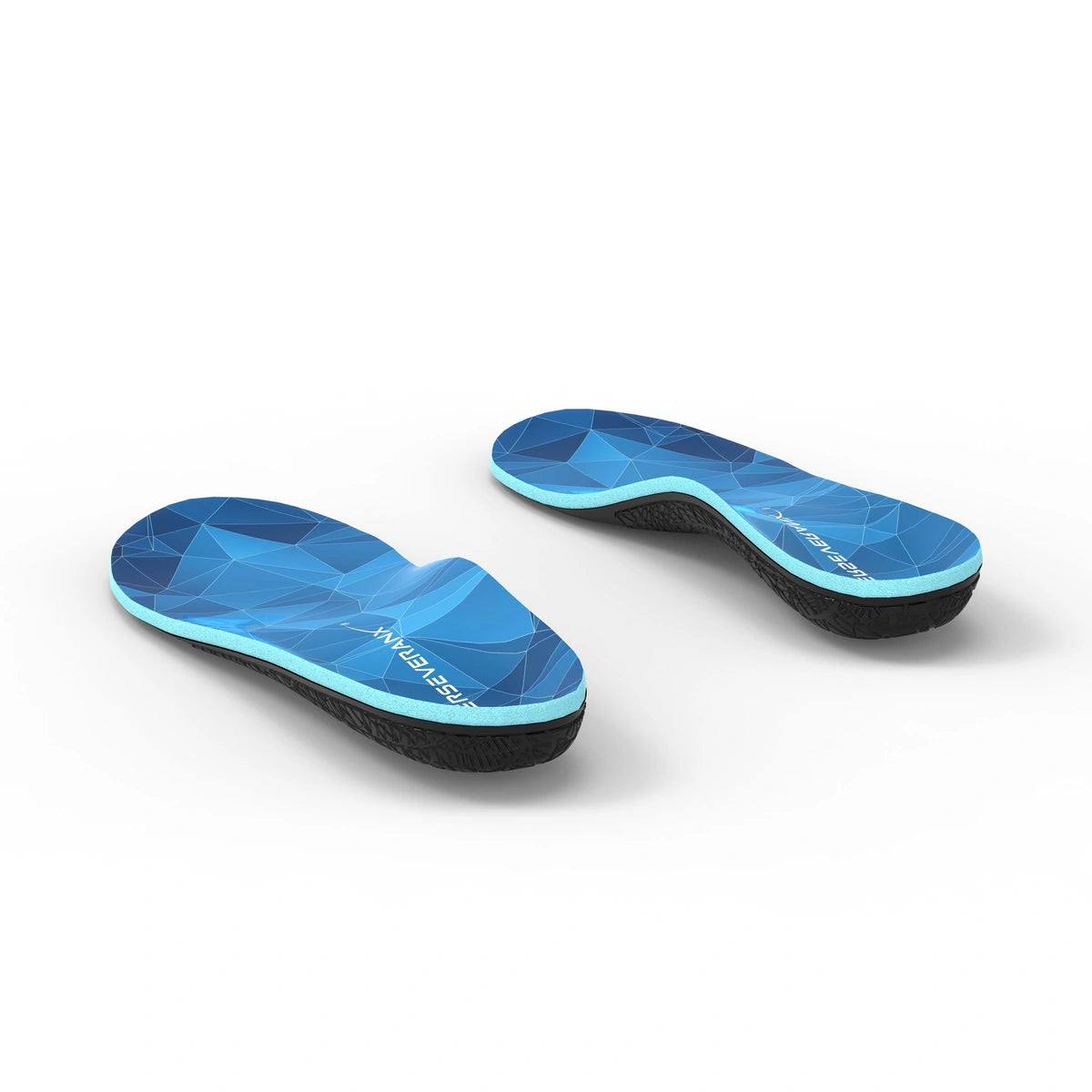
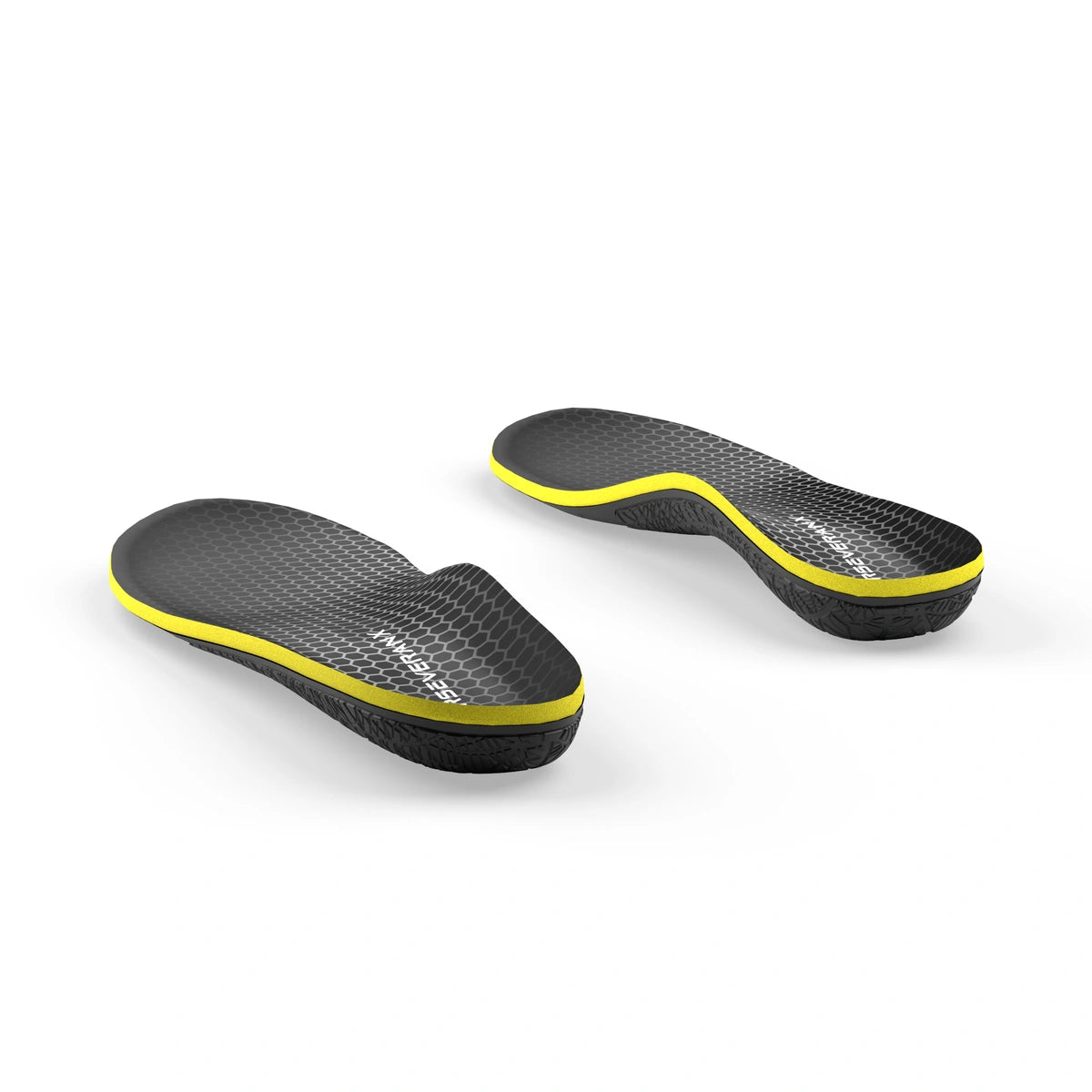
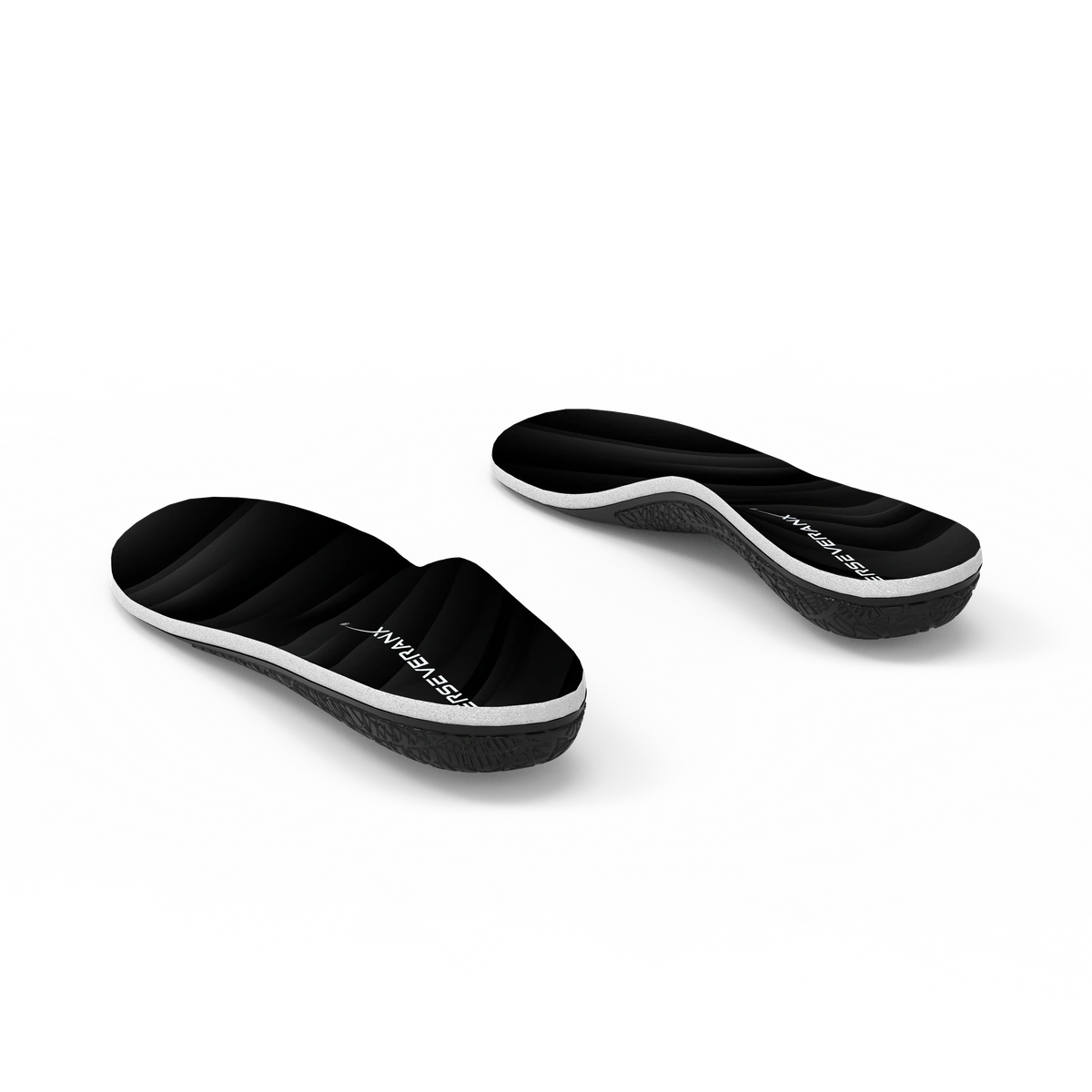
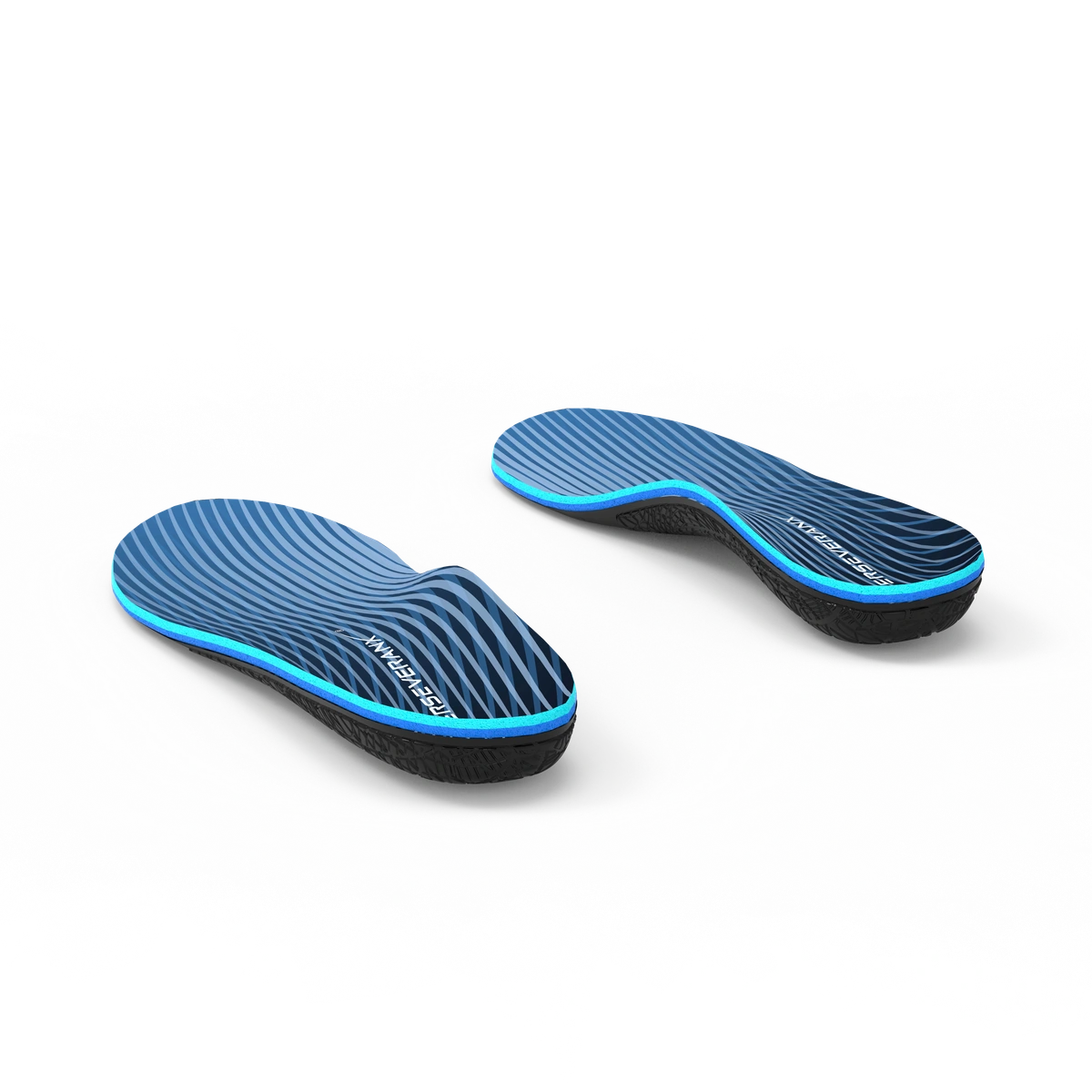
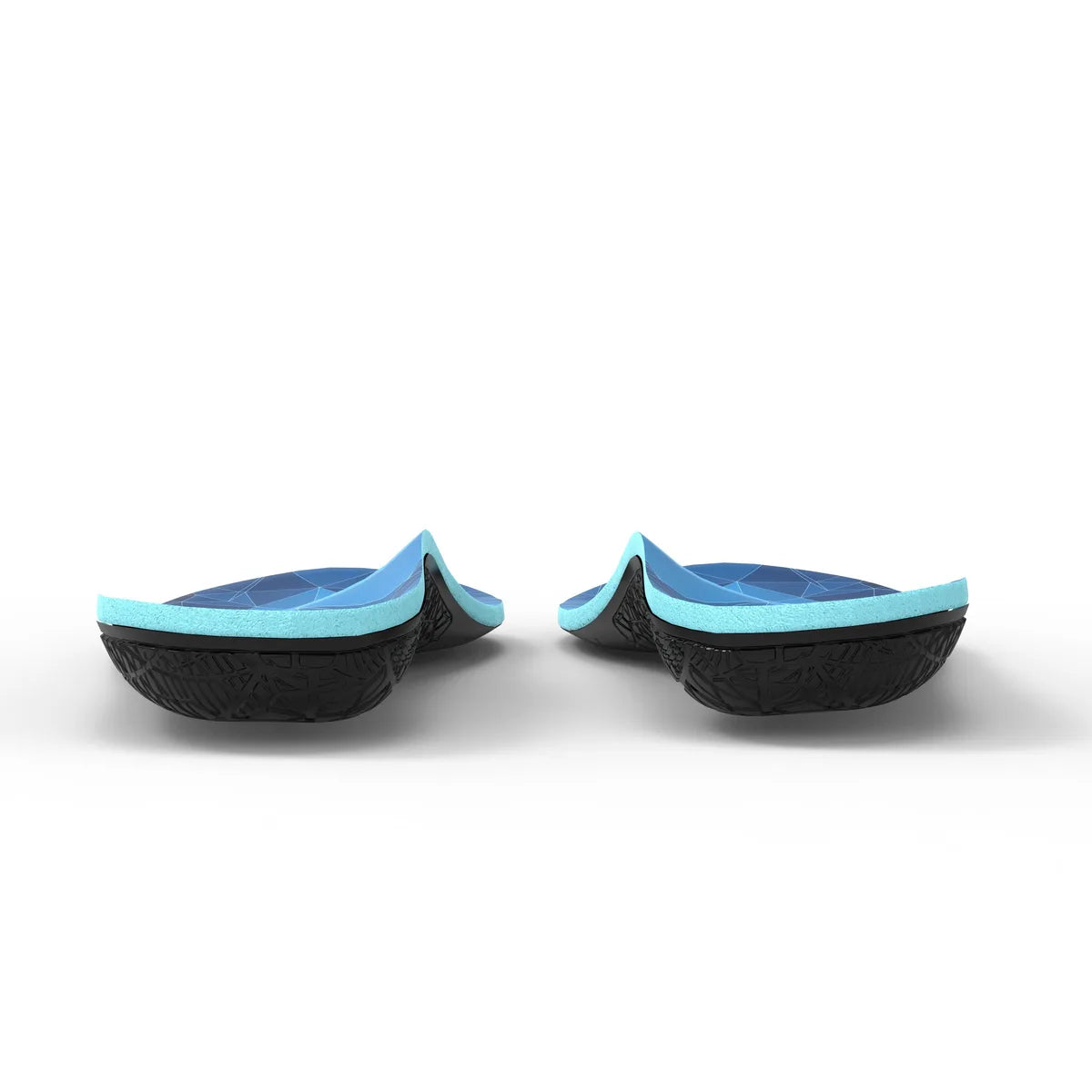
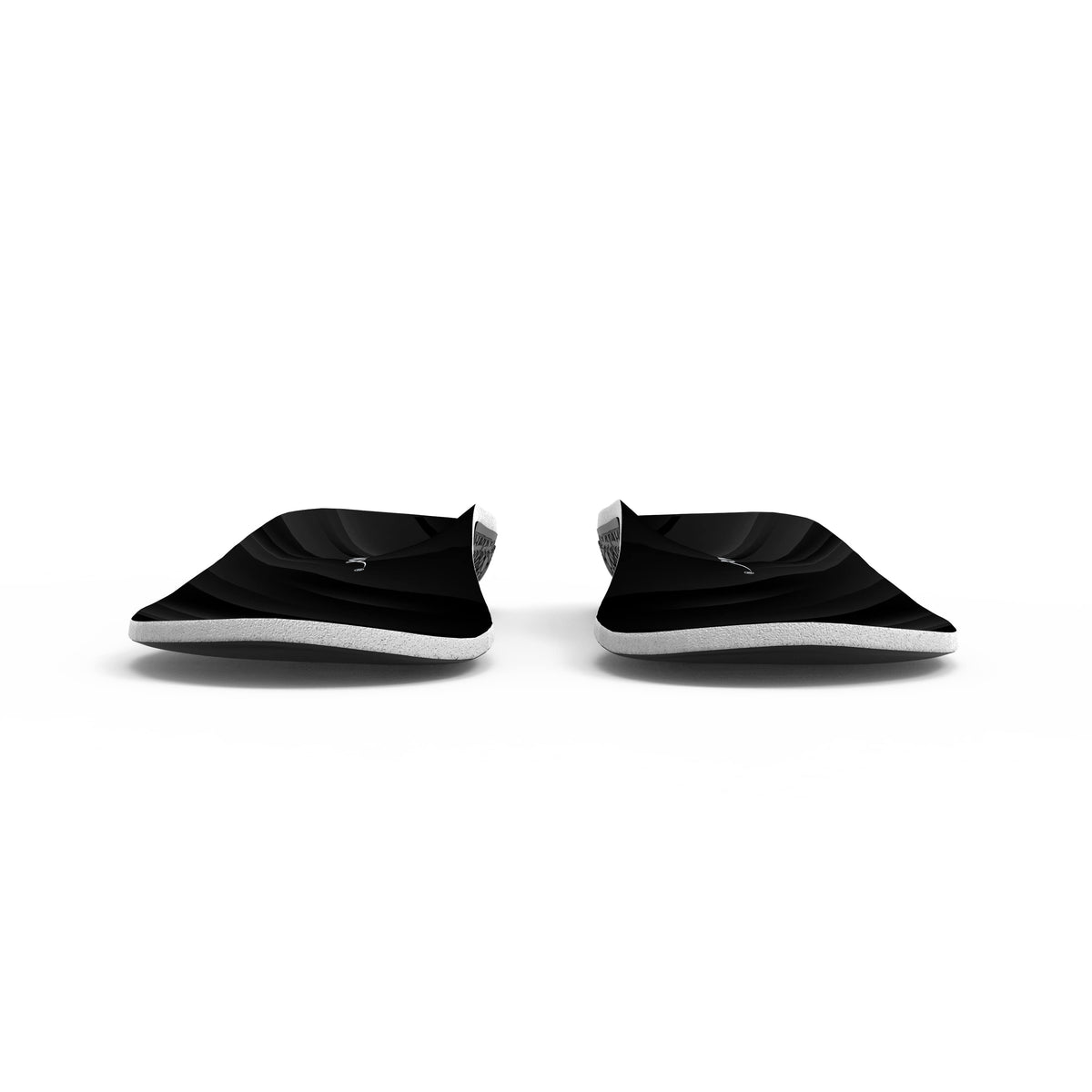
Product photography shows a previous-generation design. See each product page for current construction and availability.
The short answer. For walking and travel, choose a cushioning feel you enjoy in a shoe that has room for it. Try the complete setup before the trip. A new insert should earn its place on a normal walk before it comes along for a full day of sightseeing.
Travel can mean a station platform, a museum floor, a long neighborhood walk and dinner in the same pair of shoes. The best starting point is the footwear you will actually pack. An insole that feels good in a roomy trainer may be too much for a close-fitting casual shoe.
Choose for the day you are planning
01
City walking
Notice the response through repeated heel-to-toe steps.
02
Queues and museums
Check how the contact feels while you stand and shift weight.
03
A small suitcase
Prioritize a shoe-and-insole combination you have already tried.
Begin with your familiar walking shoes. Check that the original liner is removable and that a full-length replacement can sit flat. After fitting, your toes still need room and your heel should remain comfortably inside the shoe. An insert cannot correct a shoe that is the wrong size.
Three starting points for everyday walking
Compare side by side. Swipe across on smaller screens.
| If you prefer… | Try… | The feel to check |
|---|---|---|
| A soft, settled contact | Embrace | Gentle contouring with low bounce. |
| Softness with an elastic return | Plush | A spring-back sensation as pressure lifts. |
| A more substantial cushion | Fusion | Firmer contact and less easy sink than Embrace. |
These are preference-based starting points, not different grades of walking ability. If you enjoy pronounced rebound, include Bouncy in your comparison. If you want to explore a response that changes with impact, read about HoneyComb.
What matters after the first soft step?
A pleasing first impression is useful, but travel asks you to repeat the step. Across our collection, open-cell PU cushioning is selected for recovery after pressure and resistance to lasting flattening. Underneath, the shaped frame gives the arch a surface to meet and cradles the heel.
That is the reason we describe both cushioning and support. They contribute different parts of the experience. It is not a promise that an insole removes fatigue from an ambitious itinerary or makes an uncomfortable shoe suitable for unlimited walking.
Do the fitting work before departure
- Use the socks you plan to pack and fit the insert in the actual travel shoe.
- Compare the original liner with the replacement before trimming. Keep the heel and support frame intact.
- Take a short, familiar walk. Check toe room, arch contact and heel hold.
- Try a longer ordinary outing only if the initial fit feels comfortable. Stop and reassess pressure or crowding.
- Pack the combination that works, rather than relying on a brand-new setup on departure day.
Our size and shoe-fit guide lists untrimmed lengths and fitting guidance. If you are choosing around width, the wide-feet guide addresses a different question from cushioning softness.
A few practical questions
Can I move one pair between shoes?
You can check the fit in another compatible shoe, but a pair trimmed for one outline may not fit another well. Recheck that it sits flat and that arch and heel contact remain comfortable.
Are travel insoles different from everyday insoles?
The label alone does not establish a special benefit. Focus on shoe compatibility, your preferred feel and how the setup performs on your own walks.
Should travel insoles be very soft?
Not necessarily. Some people enjoy gentle contouring; others prefer firmer contact or more spring. Fit and personal preference are better starting points than choosing maximum softness.
Find the feel you want to take with you.
Choose your cushioning preference, then put it to the test in the shoes you plan to pack.
Find your feel