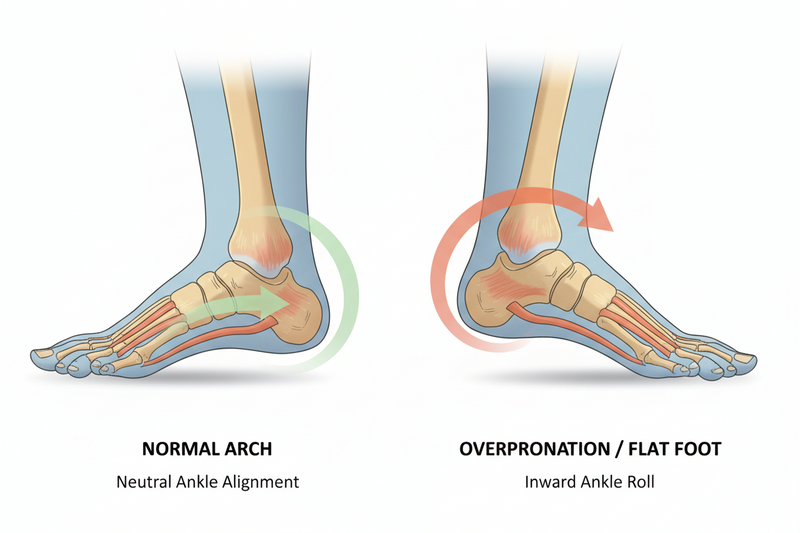
Exercises for overpronation should address the strength, mobility or control you actually need. A useful starting point is a foot and ankle assessment followed by a manageable plan. Trying to force your arch into a different shape with every step gives you a much less useful goal.
If the term is new to you, start with what overpronation means. Then separate two questions: what would help you move comfortably, and what would make the inside of your everyday shoes feel better?
Three exercise areas worth discussing
The AAOS foot and ankle program includes the following types of movement. It recommends professional guidance when selecting exercises and says exercise should not hurt. These examples are conversation starters, not a prescribed daily routine.
- Calf mobility. A wall calf stretch uses a supported standing position with the rear heel down. Ask whether a straight-knee or bent-knee version fits your needs.
- Calf strength. A supported heel raise lifts the heels, then lowers them with control. Ask whether to begin on both feet and what range is appropriate.
- Balance. Standing near a stable counter provides support for balance practice. Keep that support available; difficulty is not the objective.
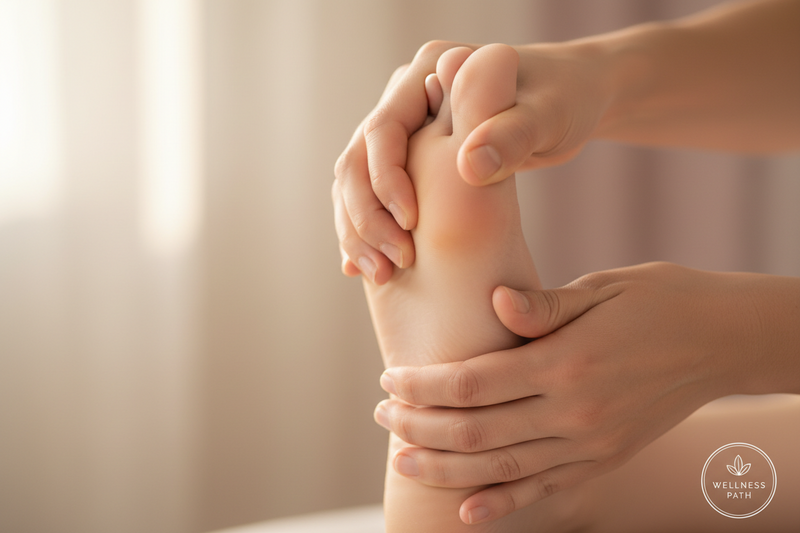
Ask your clinician to demonstrate the movement, watch you repeat it, and write down the starting repetitions and progression. Stop if an exercise causes pain, and get advice before continuing.
Make the plan easy to follow
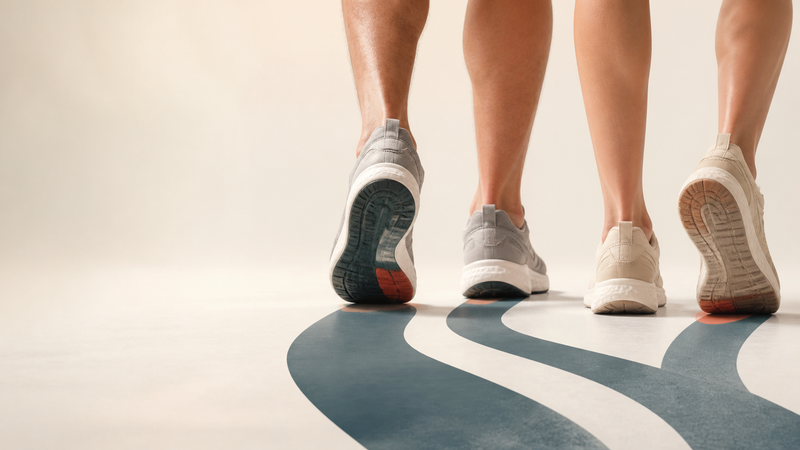
A short note on your phone can make a follow-up appointment more useful. Record the exercise you were given, how it felt and whether your usual activity felt different afterward. Add the shoes you wore that day and any major change in walking or standing time.
For example, “new insoles, different work shoes and a longer shift” makes it hard to tell which change mattered. Keep the situation as consistent as practical when comparing comfort. If your clinician adjusts the exercise plan, record that change too. The aim is useful feedback, rather than chasing an ideal-looking footprint.
Give exercise and everyday cushioning separate jobs
Your exercise plan addresses movement. The surface inside your shoe is a separate opportunity to improve your everyday experience: cushioning beneath the heel and forefoot, comfortable contact at the arch, and a heel that sits securely in the shoe.
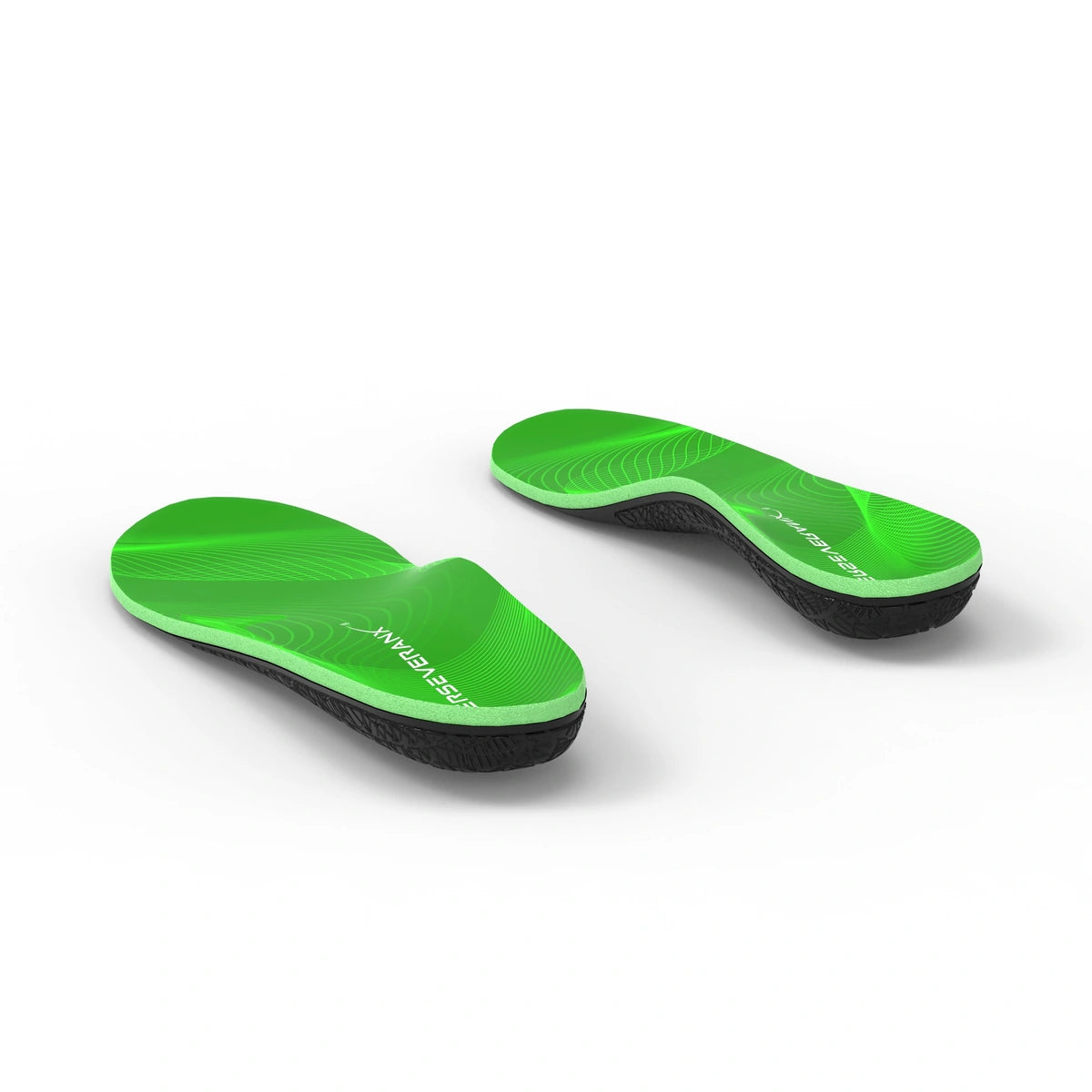
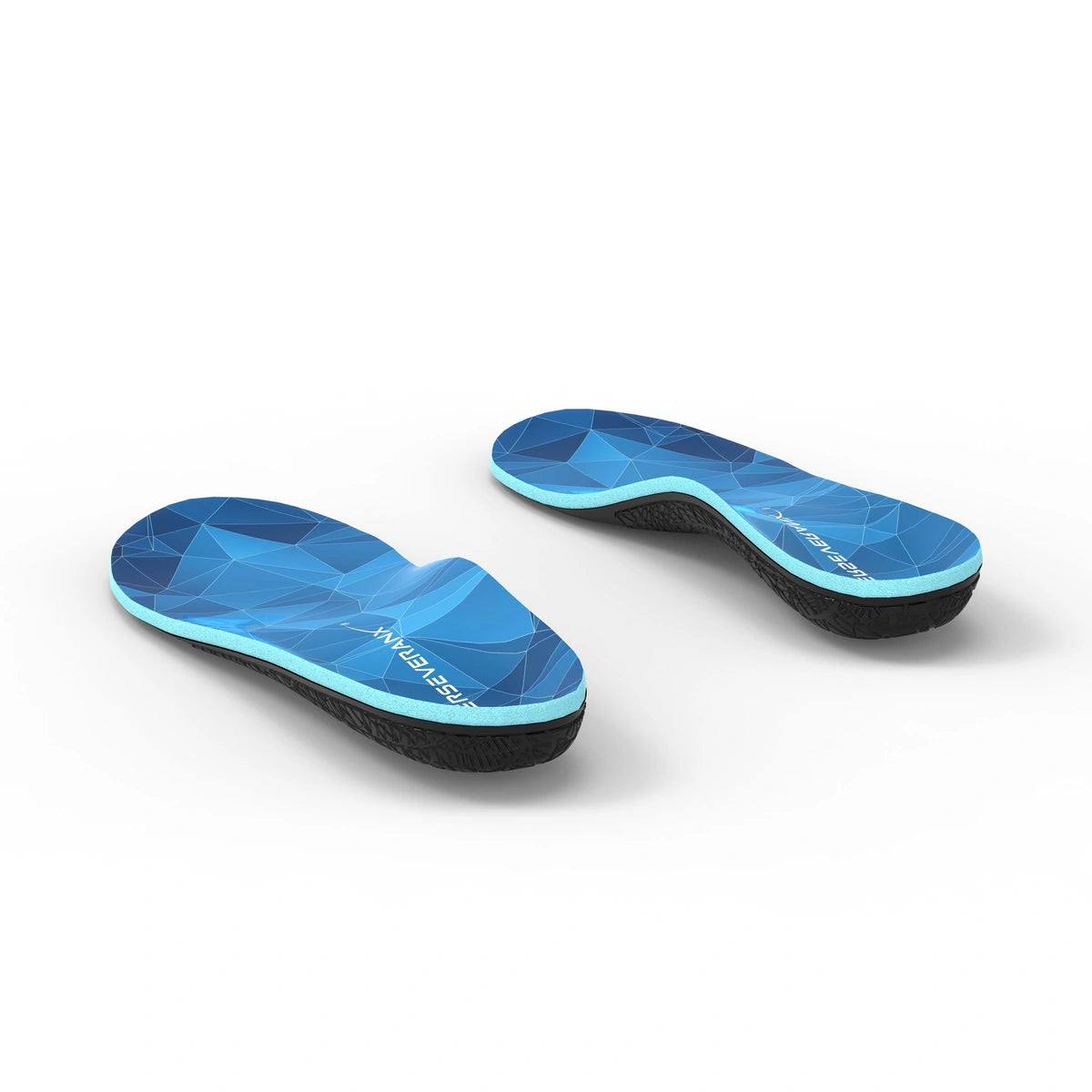
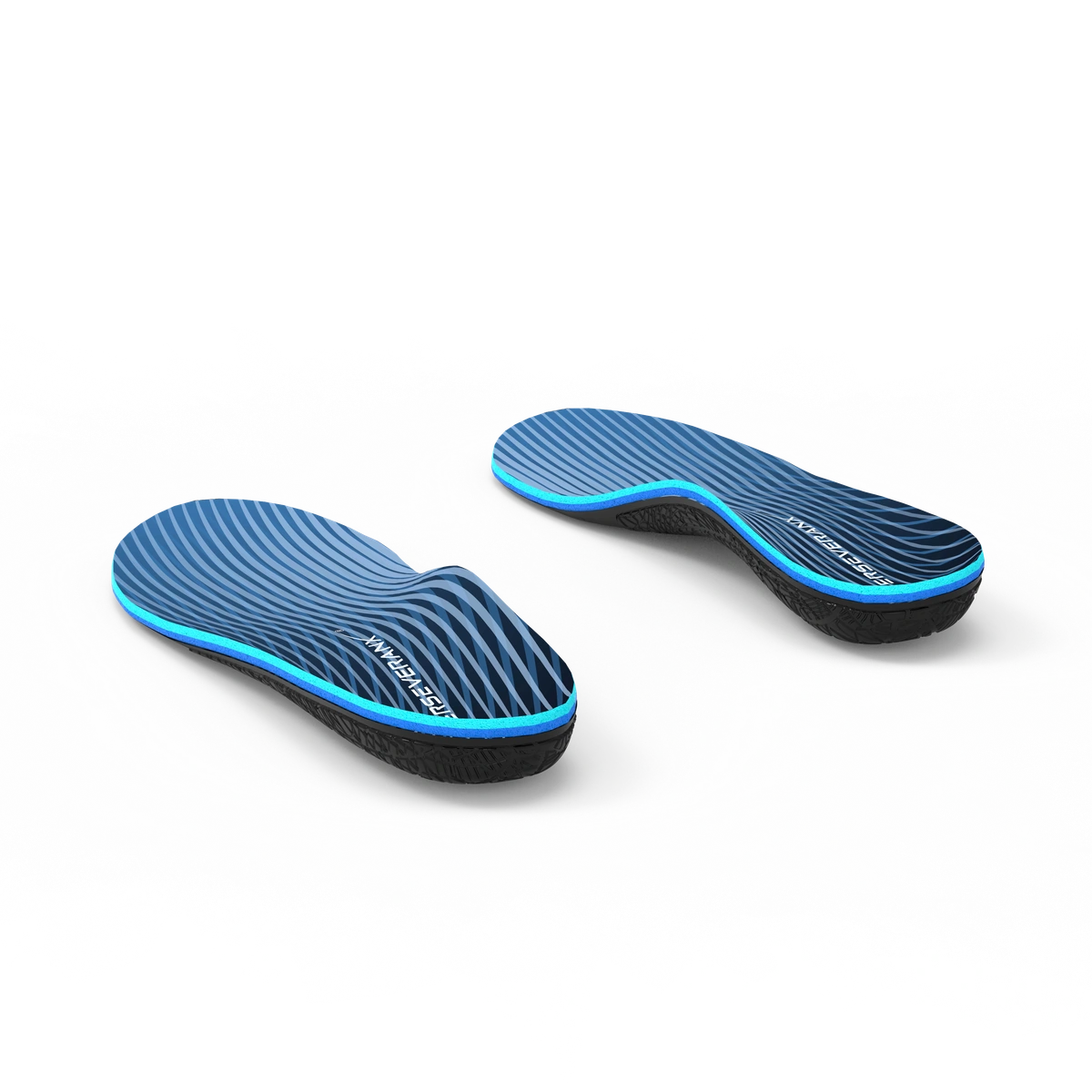
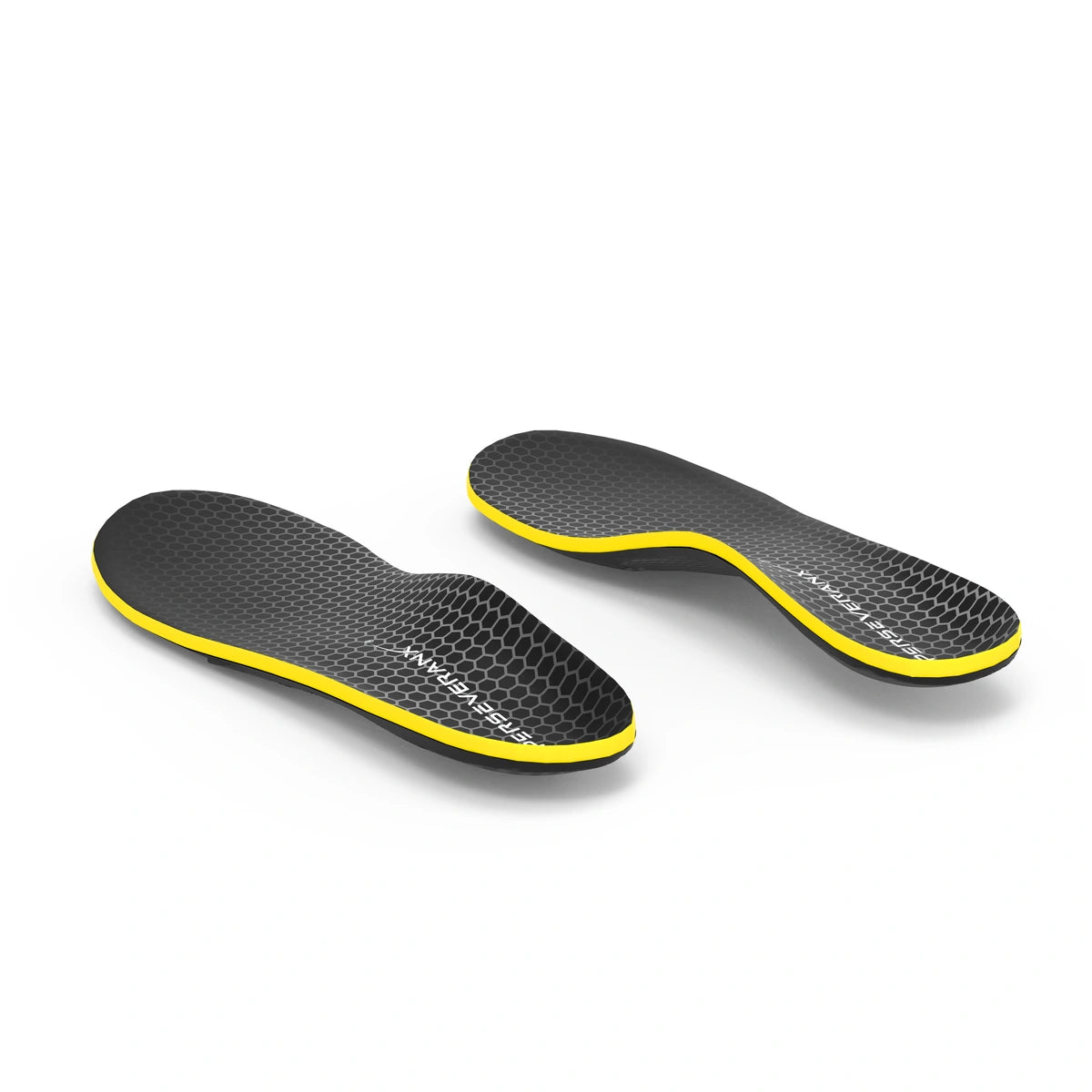
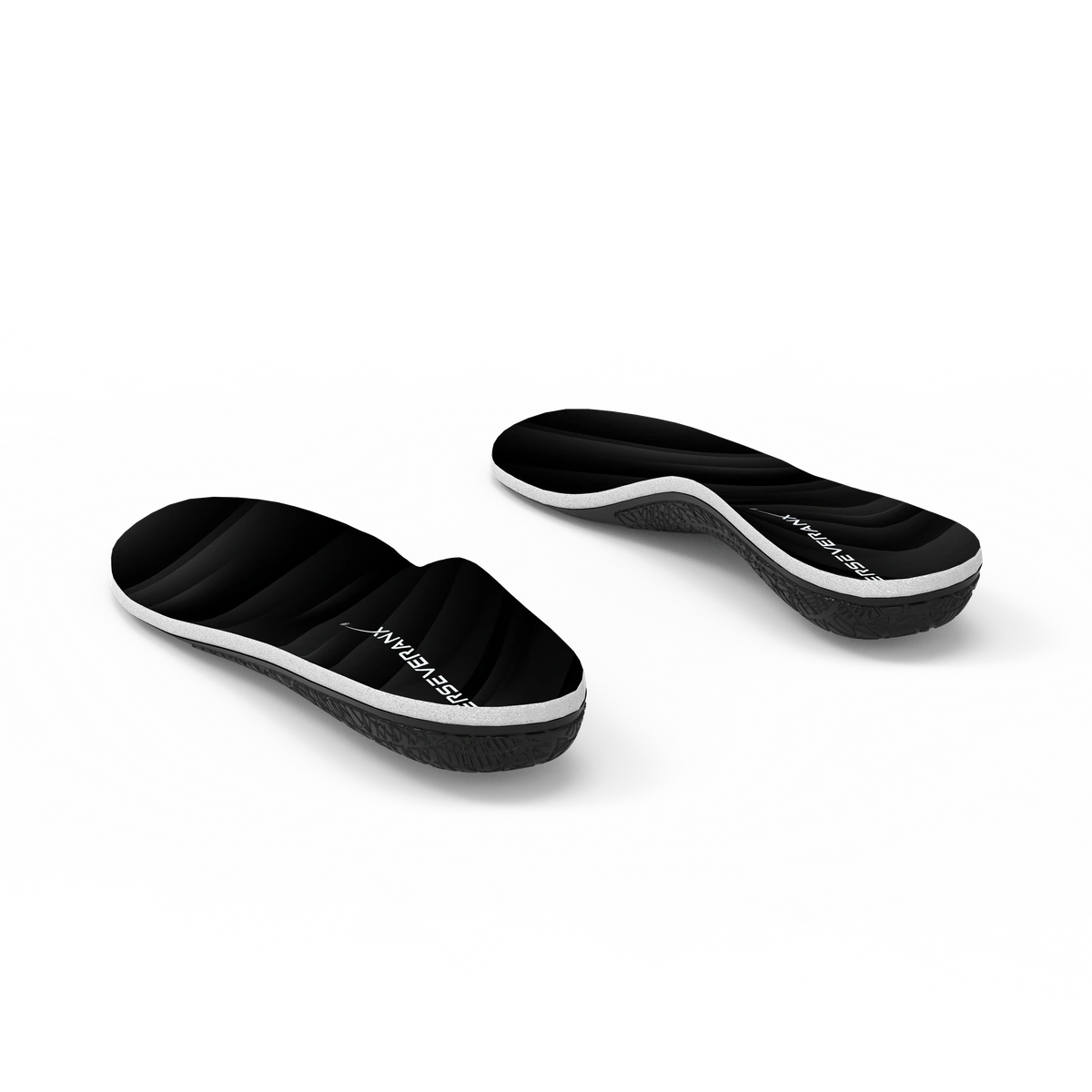
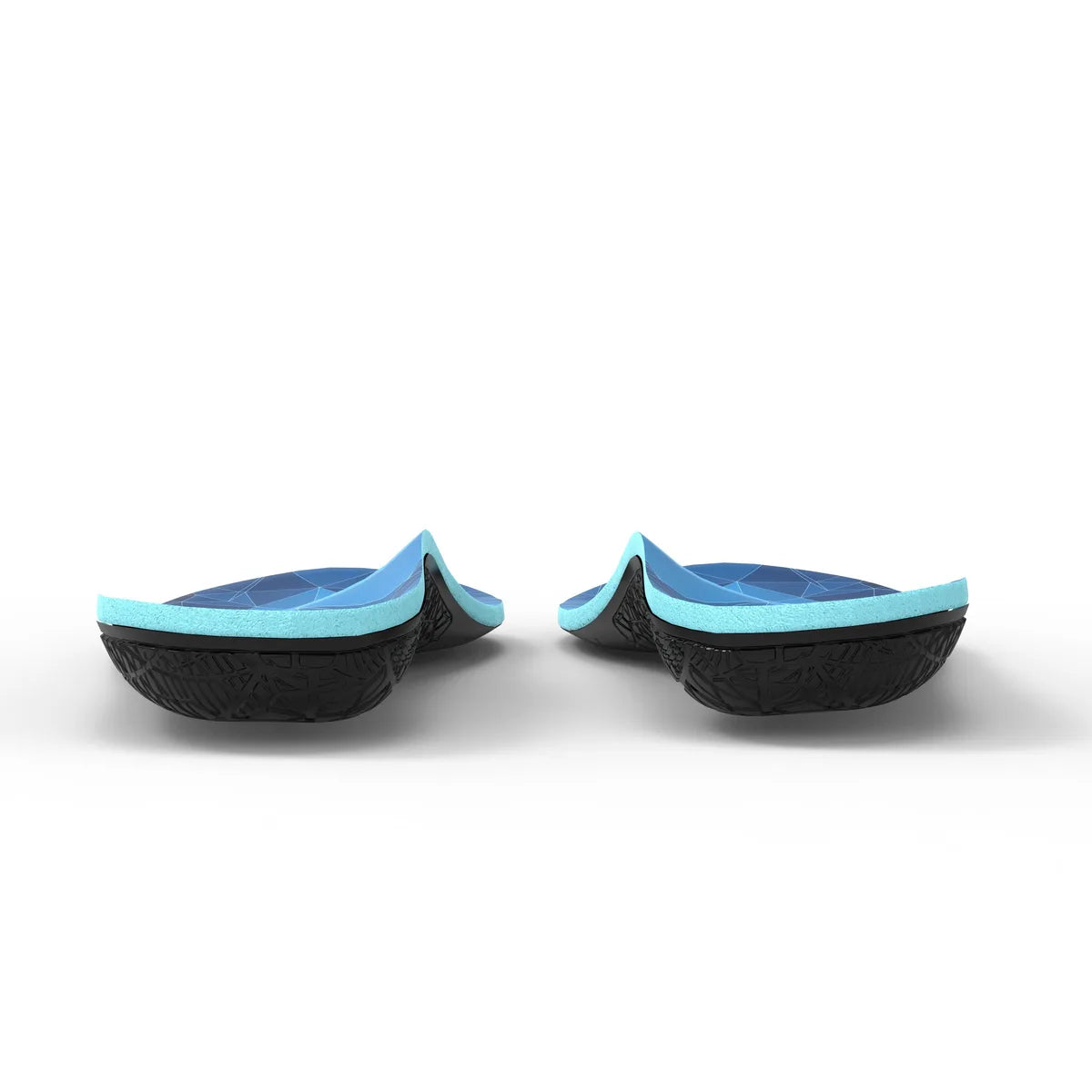
PerseveranX pairs open-cell PU cushioning with a shaped support frame. The cushioning compresses under pressure and recovers afterward; resistance to lasting flattening helps preserve cushioning through repeated wear. The frame provides arch support and a cradle around the heel. Those roles matter during the ordinary hours between exercise sessions, when you are commuting, standing at work or walking home.
Embrace offers soft contouring with low bounce. If you prefer a more substantial surface with less easy sink, Fusion gives a firmer cushioning feel, also with low bounce. Choose between them by comfort preference and shoe fit, not by an assumed level of pronation correction.
What to check before trying an insole
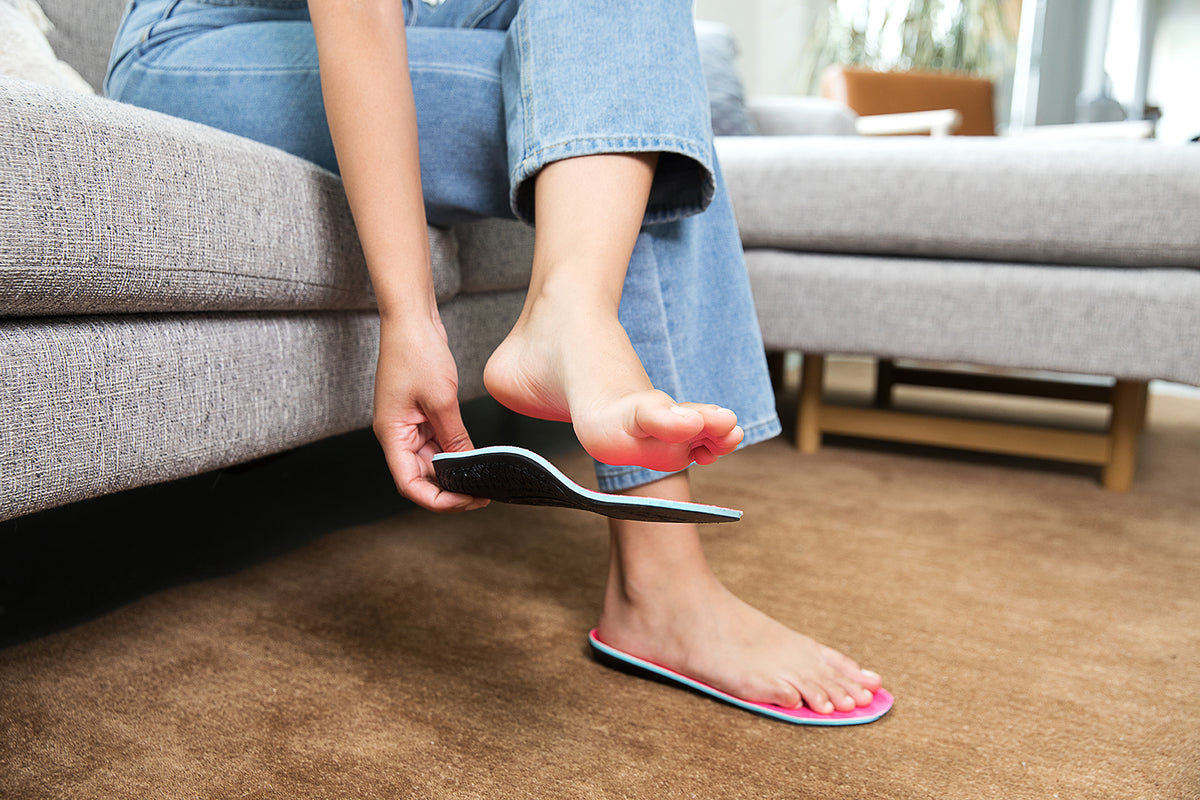
Use the size and shoe-fit guide to compare your removable liner, then check arch contact and heel seating in both shoes. If the support creates a sharp pressure point, reassess the fit. A prescribed orthotic requirement should guide your selection.
Our pronation and supination comparison explains the terminology; the feel finder helps narrow your cushioning preference. Neither replaces a movement assessment.