

Overpronation describes a foot rolling inward more than expected while walking or running. It is a movement term, often used in conversations about footwear. Understanding it can help you ask better questions, but the label alone does not tell you which insole to buy.
Cleveland Clinic distinguishes overpronation from flat feet: one describes gait, while the other describes arch shape. A healthcare professional may examine your arches under load and observe you walking when assessing the problem.
Separate movement, symptoms and shoe fit
These three questions lead to different decisions:
- Movement: Have you been assessed, or are you interpreting a photograph or shoe-wear pattern?
- Symptoms: What bothers you, where does it happen, and during which activity?
- Shoe fit: Is there room for an insert, and does its contour meet your foot comfortably?
For an assessment, bring the shoes you use most and describe a specific situation. “My inner ankle bothers me halfway through a shift” is more informative than “I think my arch is wrong.” Persistent foot, ankle or leg pain that continues despite rest deserves professional attention, according to Cleveland Clinic's guidance above.
Does a low arch mean I need the tallest support?
It does not give you enough information to make that decision. When comparing insoles, look for comfortable, well-placed contact beneath the arch. Height on a product specification is only one part of the shape; the position of the contour and the space inside your shoe also affect how it feels.
Try the insert in both shoes, with your usual socks. Pay attention to whether the heel remains seated, whether the toes have room, and whether support feels spread beneath the arch or concentrated at one uncomfortable point. Follow the size and shoe-fit guide before trimming. A shoe that becomes cramped needs a fit reassessment.
What an everyday insole contributes
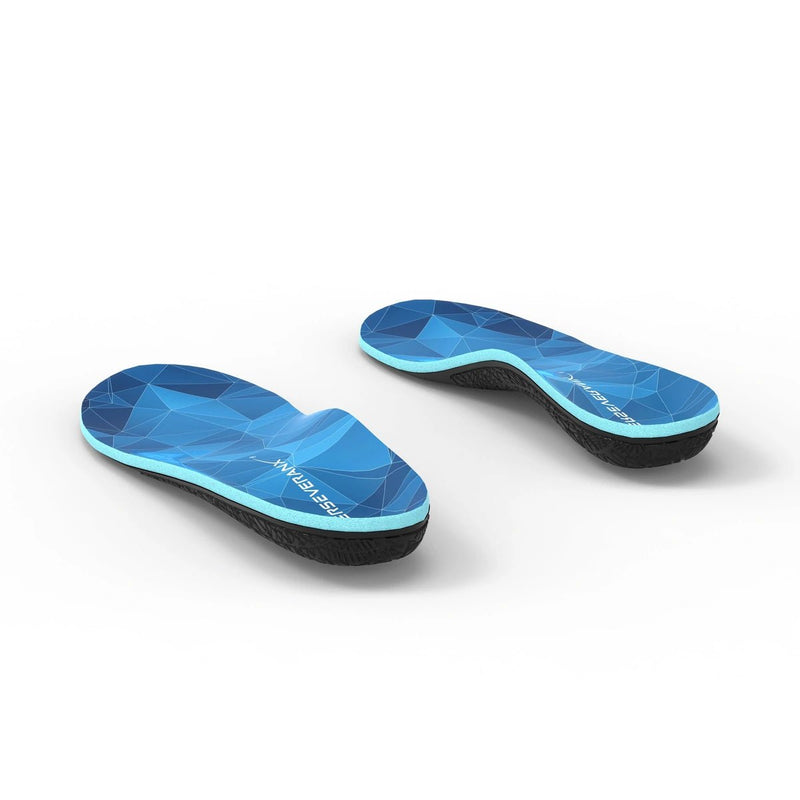
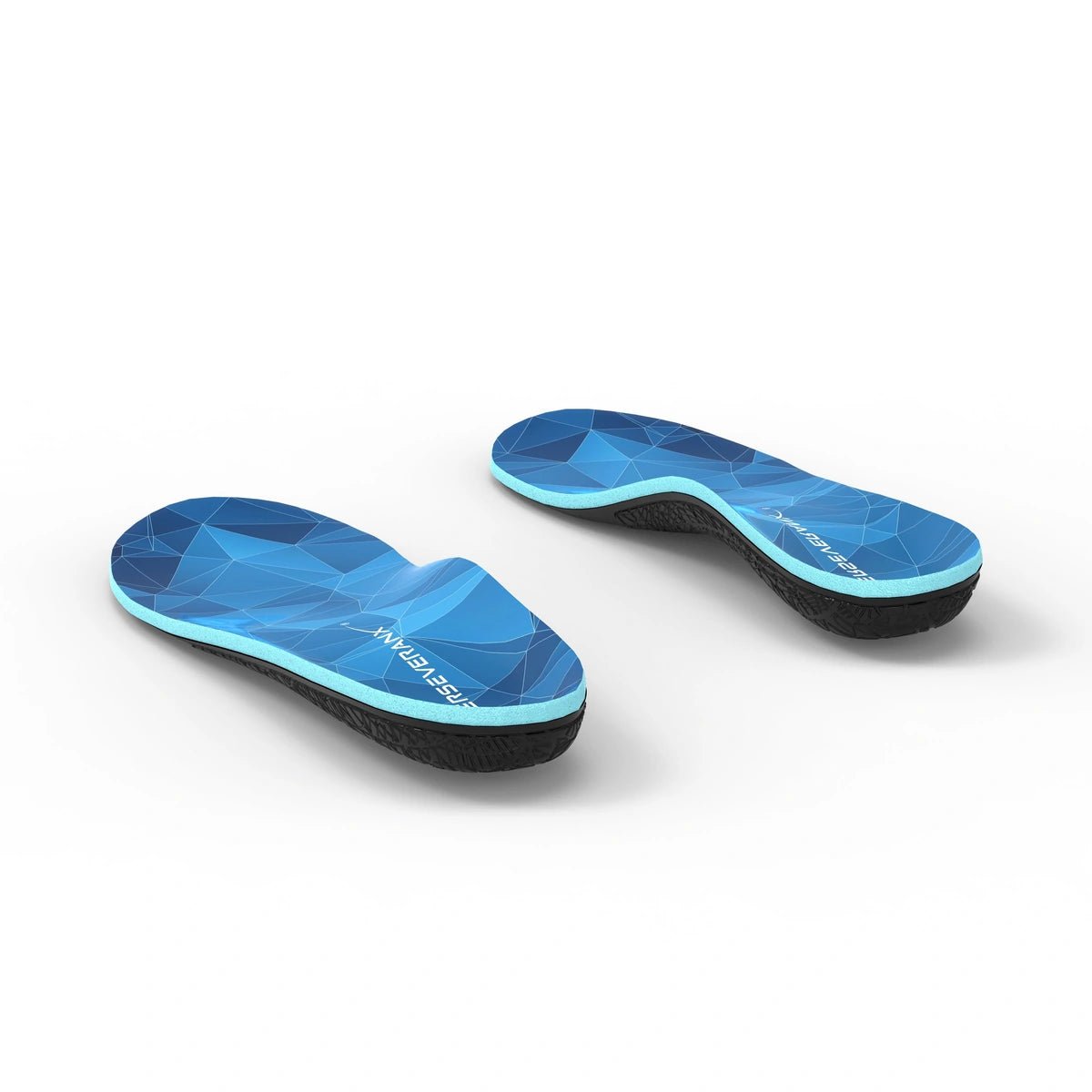
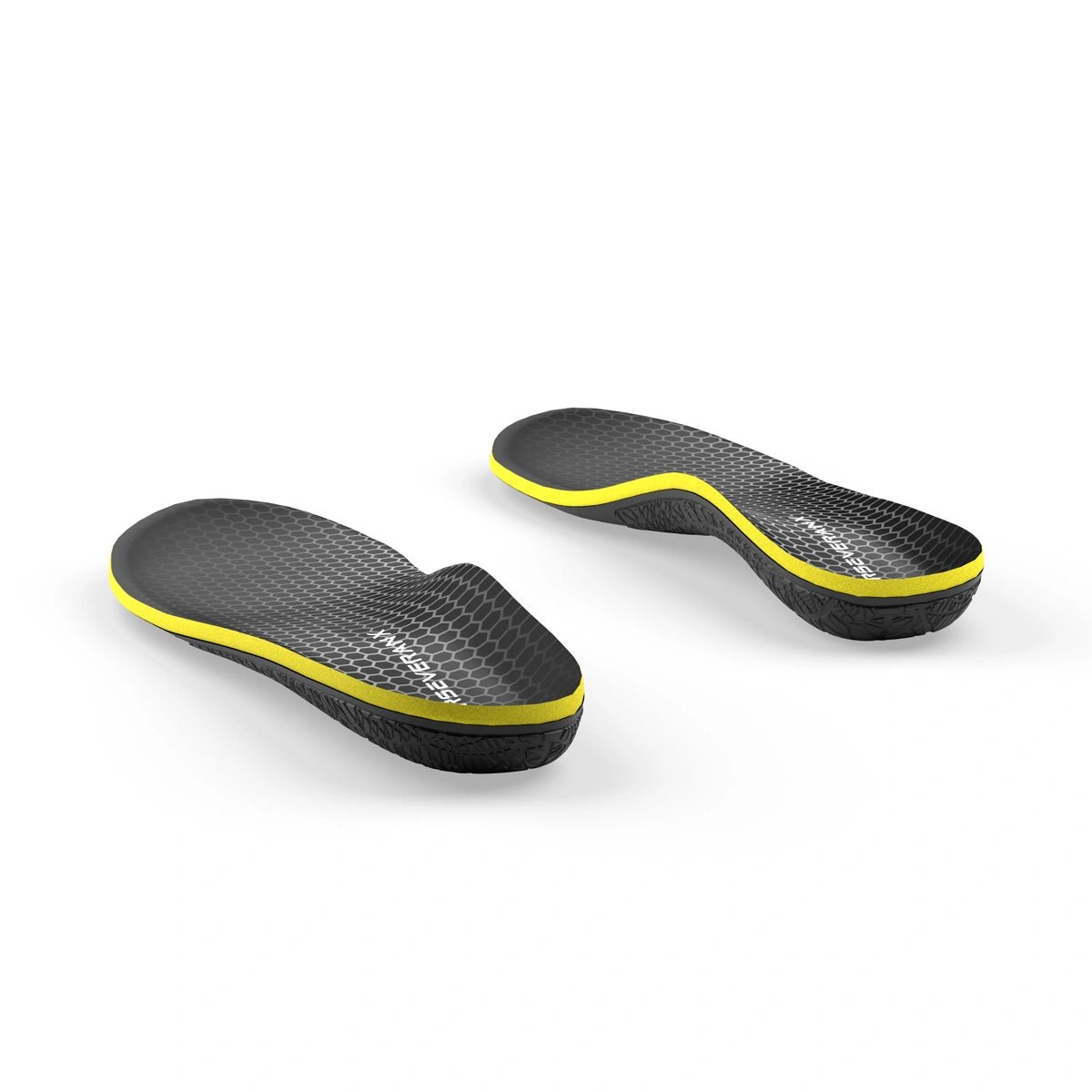
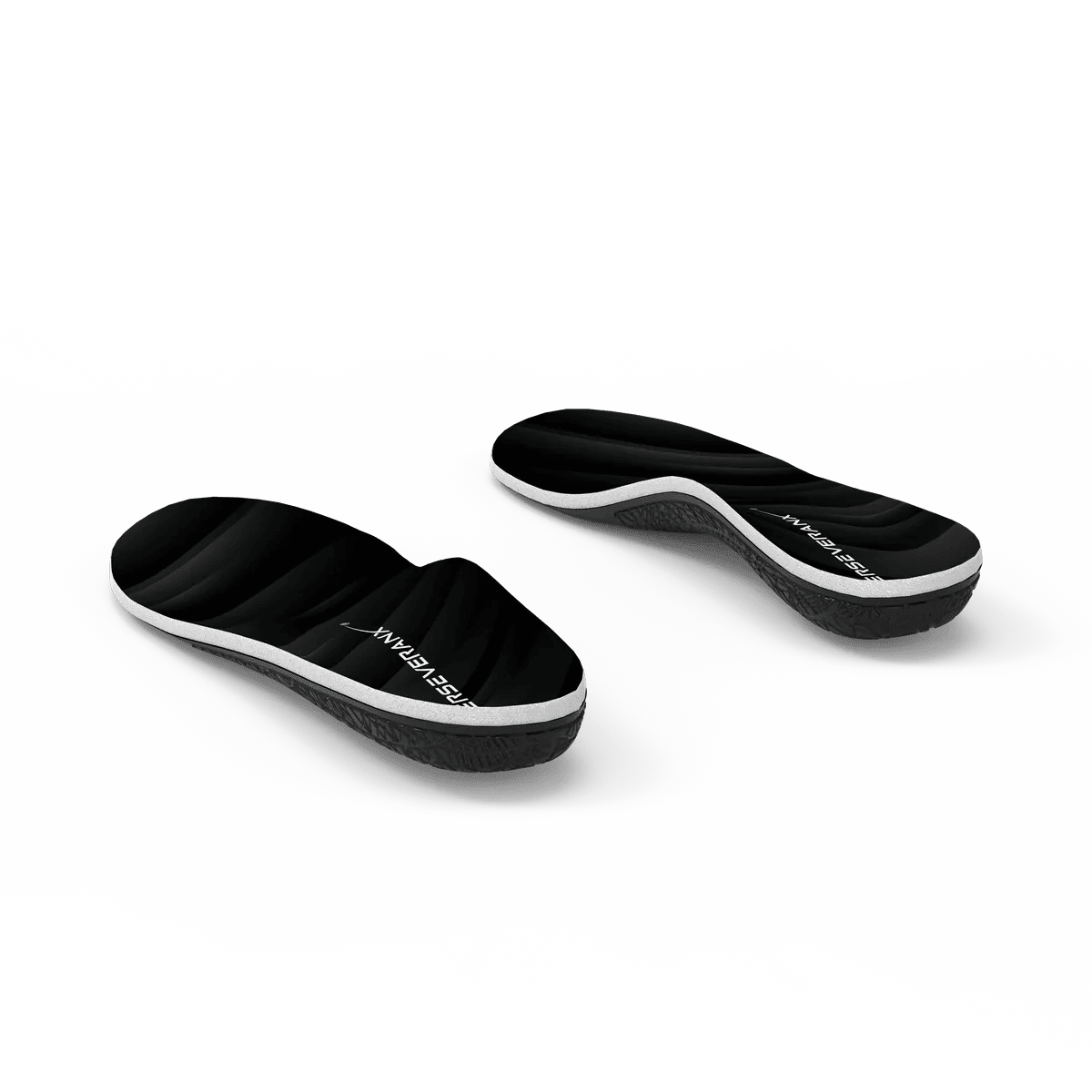
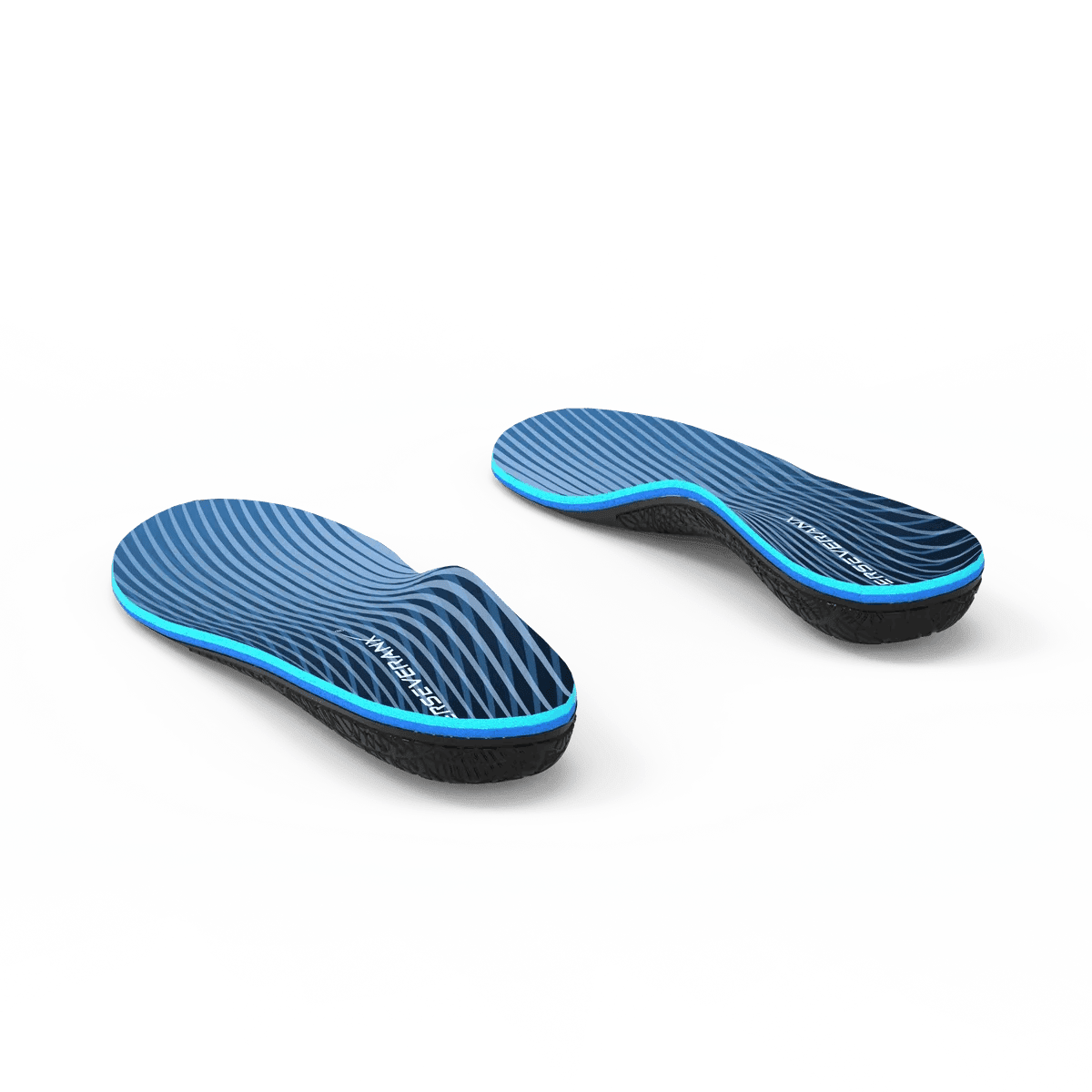
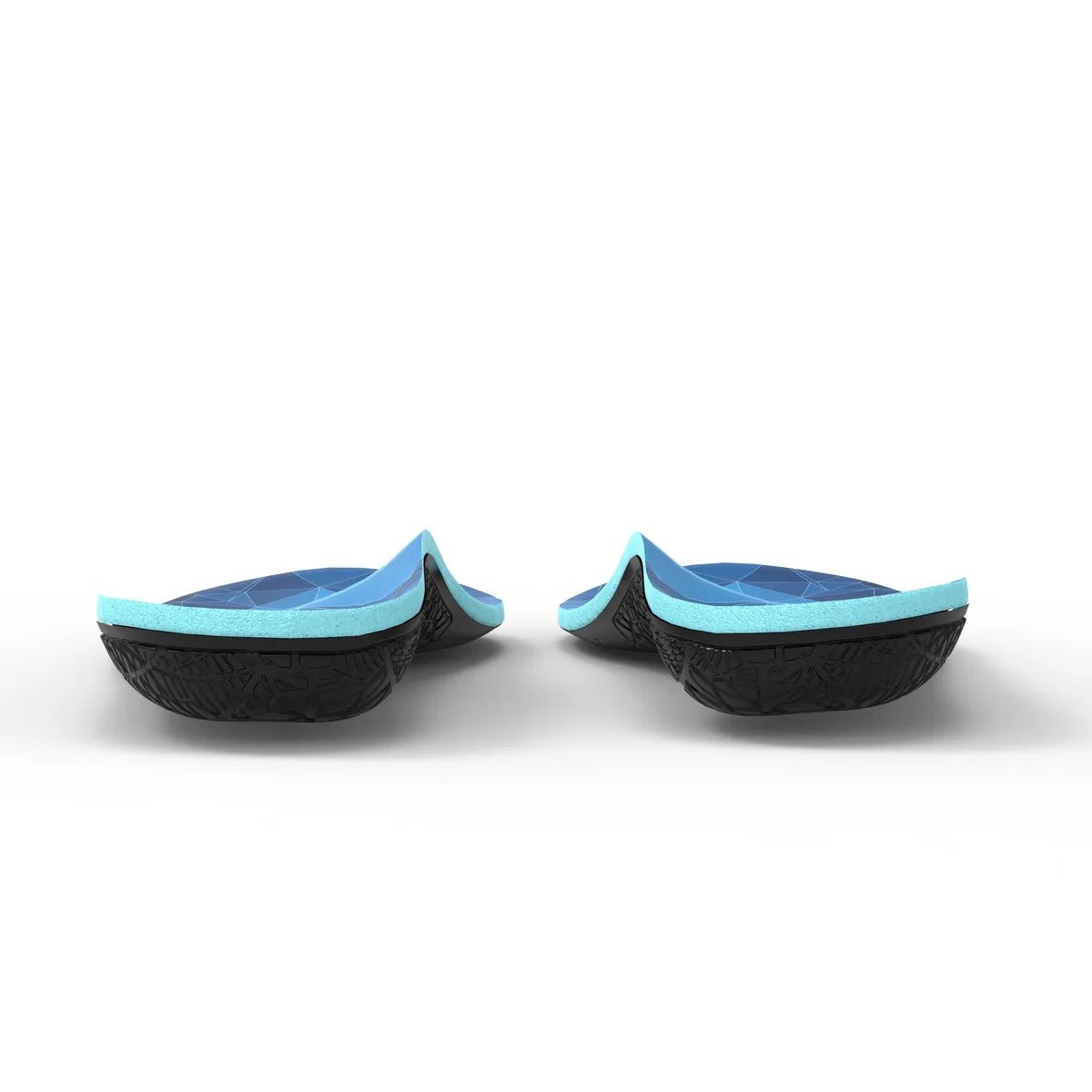
A well-matched insole gives you a different contact surface inside the shoes you already wear. Cushioning softens the contact under the heel and forefoot. A shaped frame gives the arch a surface to rest against and cradles the heel. Together, these features create cushioned contact with a firmer foundation beneath it.
At PerseveranX, the cushioning material is central to that experience. Our open-cell PU compresses as it takes pressure and recovers as pressure lifts. Its resistance to lasting flattening helps preserve the cushioning feel across repeated wear, rather than making first-step softness the only thing you evaluate.
Choose the feel you want to live with
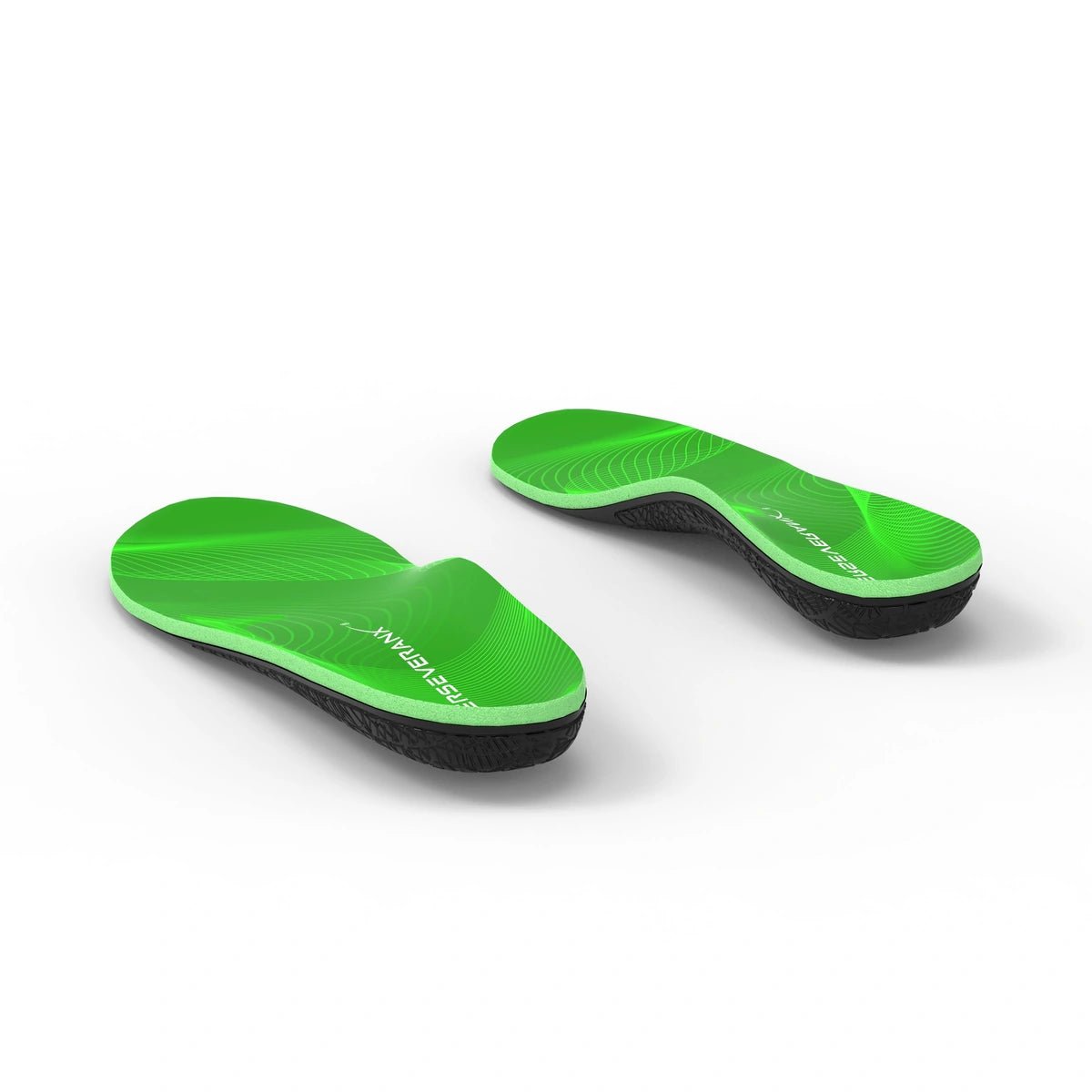
If you want a softer, gently conforming feel without pronounced bounce, start with Embrace. If you prefer cushioning that feels more substantial and less easy to sink into, consider Fusion. Both use shaped arch support; the difference here is the cushioning response, not a stronger level of correction.
Fusion availability: Fusion is temporarily unavailable and is not accepting orders. Restock timing is not yet confirmed. Request a notification for your size.
The PerseveranX feel finder makes that choice easier without asking you to diagnose your arch. If a clinician has specified a particular orthotic, confirm those requirements before choosing an alternative.
For the next part of the picture, read overpronation versus supination. If you were advised to work on strength or mobility, our exercise discussion guide helps you prepare for that conversation.