DD S.
My inserts arrived on time and I was so excited to have them. I followed the directions to trim them but when I insert them into my shoes I had trimmed to much off and I can feel them in need my toes. It took a few days to break them in as I noticed sore knees and legs at first. Then I adapted and I have found them comfortable. I wish I hadn’t trimmed them so much!
Nathan C.
The adhesive the heels of the bouncy insoles comes off as soon as I put them in my shoes. It happened on two pairs I got.
Robert E.
I love them.
Thanks!
Jerry D. Murphree
These seem to work fine in my sneakers, but to be honest, I am not an athlete and am not running in them. I really didn't notice any difference from these very pricey ones and the standard ones I've used for years. I guess it is more rigid, but I didn't note that was an improvement in comfort really. Perhaps a runner would benefit, but for my walking use, I'd never buy one this expensive again.
Maebee
These say men or women, but they are very narrow. I ordered for my husband who gets regular width shoes. The heel cup was too small and digging into his heel. The balls of his feet were also spilling over the edges of the insole. They might be fine if you have narrow feet, but marketing them as gender neutral when men's feet and shoes are generally wider was a bad move.
Auditor’s auditor
[This is a review of “
Never Flatten Running & Sports Insoles - Plantar Fasciitis Insoles Men & Women - Medium Arch Support Shoe Inserts for Men & Women - Max Absorption & Energy Return
As a vine reviewer, I am pledging not to be compensated or influenced by the vendor; I state my opinions based on my personal experience without any bias or pressure]
For anyone suffering from plantar fasciitis or other foot ailments, having the right heel cushion is not a luxury but in fact, a must. This manufacturer (under the brand name Prseveranx) claims to have invented the never flattening cushion. While that may be a bit too much to achieve, these pairs are designed to give sufficient support and cushioning with low wear and tear. The insole itself has the right set of reinforcements.
We ordered the size Medium Arch - Green | Size: M (Men 9-10.5/Women 10-11.5) and it fit my wife (wears size US 10 women). The effect on the feet were quite comforting and the wear appears limited after a few days of walking. Not withstanding the never flattening nature of these insoles, I think the pair is quite sturdy and comfortable. The price is slightly higher for a high quality product like this, so I will deduct a point just on that count. Otherwise, a good product and deserves four stars.
my my 888
These are my first pair of insoles so wasn’t sure what to expect. I cut them to fit my tennis shoes that I wear for pickleball. Right away, I could tell a difference, but wasn’t sure if I liked it or not. I have flat feet so I know I need these. After a few more times, I’m getting use to the medium arch.
Nicky
I don’t know if these truly never flatten, but they’re working well for me so far. They’re easy to install into my shoes. I can definitely feel the support when I walk around, but they’re not uncomfortable at all. They’re perfect for my work shoes. I like them.
Joseph Luke
I got these since the poor support in one pair of shoes I have was causing my heels to hurt after long walks. I've since used these for about a week with those shoes and they have solved the problem.
Pros:
+ Comfortable
+ Good for positioning the foot correctly
+ Don't overdo support (some inserts overdo support so you think it's helping when in fact too much support causes it's own problems.)
+ Easy to install
Cons:
Nothing really.
Good product
Alissa Mitchell
The insoles are a little thin where the toe is and the pad of the foot is. There is a kind of gel like material that supports your foot. There is a plastic outer line that supports the arch and the heel. I think these are great for walking but not what I was looking for to wear all day long.
D. L.
These insoles are fairly rigid material but still provide a soft cushion for your feet. It seems like it is designed for runners, providing a nice bounce. It seems durable and build to last. The sizing though can be a bit hard to get right, I would definitely suggest sizing up if near the upper range and then trimming if necessary rather than going with too small of a size.
R.K.
I got these for my 13 year old son. He had to do a lot of hardcore exercises for his PE class (like running up and down stairs) and his Nikes just were cutting it leaving him with sore feet. We tried these and they were a success for him. Vastly better than the insoles his shoes came with and they offer a lot more support.
UCSDsoccer
These insoles work great for flat footed shoes that have no support. They a have a nice firm frame with a cushy top to make them comfortable and supportive.
Ktee
These have a really good support to them.
Rustwood
As advertised, these insoles provide medium-high arch support. They also have a nice, rigid heel cup with cushioning that is essential for my needs. Overall they don't seem to have as much cushioning as some insoles I've tried (especially in the ball of the foot), but they have enough that my feet feel good and I am able to use them in shoes that wouldn't have enough room for bulkier insoles with more cushioning. They seem perfect for my court shoes as they fit well and aren't as squishy when I pivot on them. I think I'll be very happy with them for that application as long as the never-flatten claim holds up over time. They still feel well after several multi-hour sessions of pounding them on the courts though.
Honey West
PerseveranX Never Flatten Plantar Fasciitis Insoles Men & Women: Well, I ordered (or was sent?) the wrong size and they are too big. The toe area was easy to trim down--no markings but I outlined my foot and then matched it to my shoe before cutting with utility shears. The insole heel has the most padding but the medium arch support is not supportive enough for me.
Zingo
I wear a women’s 9 and these fit my walking shoes very well. They make my shoes more comfortable and offer more support and stay in place very well. They are fairly form fitting to my foot and I would say they’re better for support than for soft cushion. They’re great for walking but I don’t run so I can’t say if they’d be good for that.
Some of the edges were a little frayed when I got them. Usually, that just happens after I’ve worn a pair for awhile, so I was a little surprised to see it before use. After a couple of weeks and a lot of walking, they don’t seem to have frayed more so I’m not too worried.
A Reviewer
These are supportive and comfortable insoles that will likely work very well for folks with normal sized feet. For those of us with wider feet, they are too narrow and slip around inside the shoe. If you have wider feet, I would not recommend selecting these as an option. For everyone else, they're probably great.
GlamorCat94
Never Flatten Plantar Fasciitis Insoles Men & Women - Extra Absorption & Energy Return Medium Arch Support Inserts Women & Men - Shoe Inserts Men Athletes - XS (Men 4.5-6.5/Women 5.5-7.5) - The size indicated is actually correct for my shoe size (7.5). Normally I have to trim a bunch off the ends of the insole even when it says it's for my shoe size. If you have really high arches, the arch on these insoles isn't going to be high enough. I have really high arches and these don't give me enough support. I am concerned about the quality of the insoles. When I was sliding one into a shoe, the green top started pulling away from the base. Maybe I got a dud with that one as the other side didn't do it. I'll report back how well these hold up over time.
Everything Wellness
These PerseveranX Never Flatten Plantar Fasciitis Insoles are great support for your feet. They are comfortable an not bulky when added to your shoes. This version adds extra support/bounce for exercise which is an added bonus when working out.
Tiffani Diaz
gives much needed support for being on your feet all day. easy to cut to size
GRUMPY BEAR
These are good quality, medium arch support insoles made by Perserveranx. I put them in my leather, lace up work shoes, __ and they were supportive, durable, and comfortable. They are a medium thickness and my feet adjusted to these orthotic insoles very easily. I think they are excellent quality and would recommend them. These orthotic insoles are well constructed and will probably last a long time. __
SUTHNR
These are insoles that offer solid arch support. The back half of the insole is padding over solid plastic formed to cradle your heel and lift your arch. The front half is flexible for easy and comfortable walking. These will be great for my wife who has tiny feet and needs some lift to fill in space on shoes that are a little to big. They measure 9.5-inches long and are easily trimmed to fit smaller shoes.
Recommended
Monkey_Man
This sole is made for D sized feet. It feels like walking on a narrow ledge due to its deep narrow heel cup. If your feet fit inside this cup, then this sole will keep you steady with its rigid core on a bouncier open cell foam.
John L.
I got these to put in a pair of shoes that had some poor insoles and lacked good support and cushion. These fit well into my shoes and gave the much needed support and cushion I was hoping for.
Josue
Discovering the PerseveranX NASA Grade Plantar Fasciitis Insoles has been a revelation in comfort for me. Crafted from high-quality materials, these insoles offer unparalleled support and durability. The ergonomic design ensures that they fit seamlessly into my shoes, providing optimal comfort and stability throughout the day.
From the moment I slip them into my shoes, I experience a noticeable difference in comfort. The medium arch support and extra absorption capabilities alleviate any discomfort associated with plantar fasciitis, allowing me to enjoy hours of relaxation without a hint of strain. Whether I'm tackling a busy day at work or indulging in outdoor activities, these insoles provide the support I need to stay comfortable and energized.
Soli Deo Gloria
This is an adult medium arch support insert for running and sports. I really appreciate the shapely form of this while running, which supports the arch and forms up around the edges of the foot on both sides and wraps the heel.
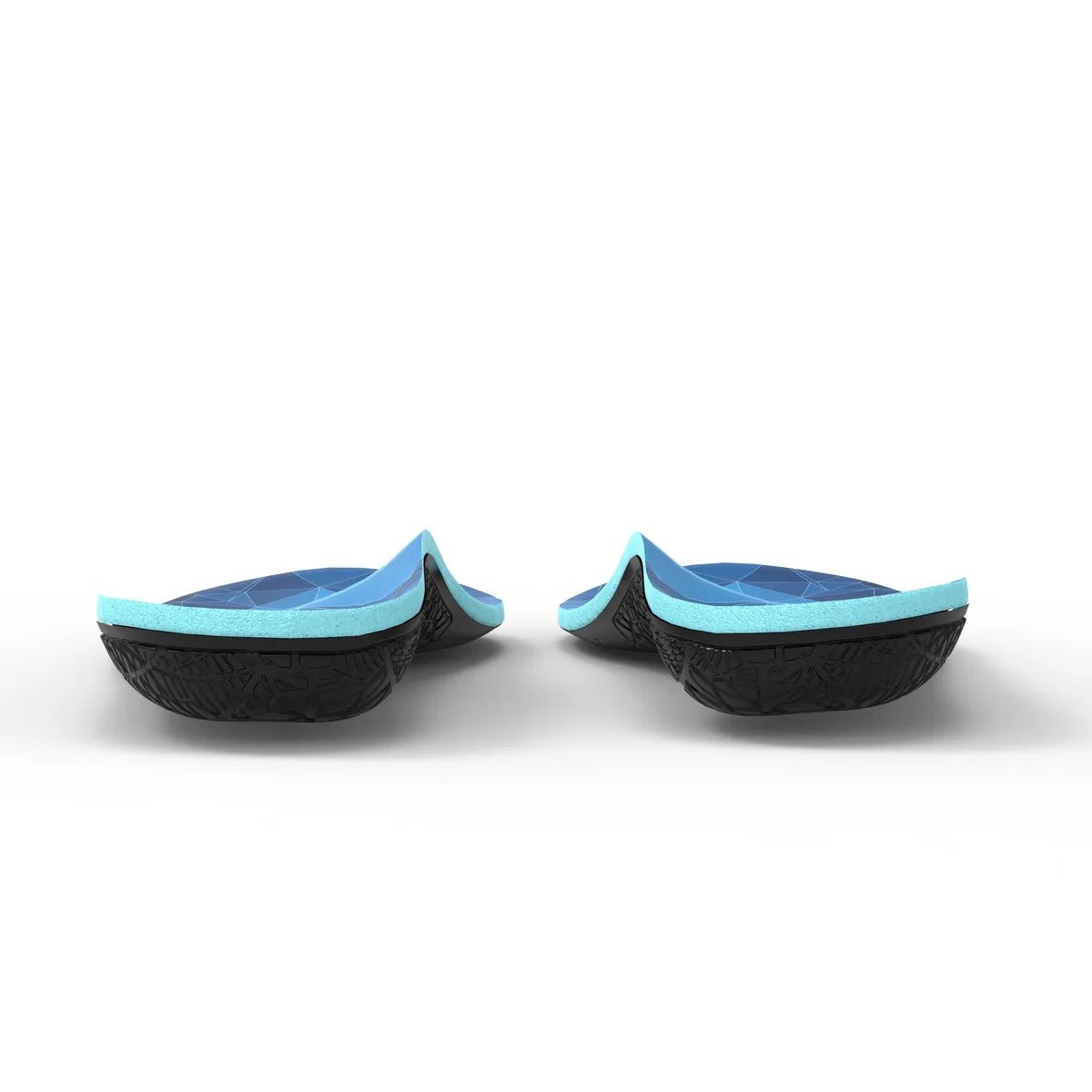
My favorite feature is the stiffer support in the bottom heel but it’s split in the middle of the heel to allow for flex and shock absorption. And the hard support only goes to mid foot, where it then switches to a dense but flexible foam for the forward foot and balls. So these inserts are great while running for both support and cushioning.
Please note: My review is part of Amazon's Vine Program which provides products at a reduced cost in exchange for honest, accurate reviews. Not all products are fully gratis, as the value is taxed as income. I try, use, and test all reviewed products and the above statements are my own and will not be influenced by others' experiences or feedback by sellers. Thank you for reading and I hope you find this review helpful in making a purchasing decision.
JenB
You know the name brand ones that you get when you need arch support, these feel just the same to me and I've had the super feet for years. These, however, are much less expensive.
PL
I like that these replacement insoles are comfortable and provides good support for my feet. I am on my feet all day constantly walking and was looking for some comfortable insoles for my tennis shoes. These work well for me and I recommend these!
Critishare
These PerseveranX NASA Grade Plantar Fasciitis Insoles were to be size 8 to size 9.5, but my guess these would also fit a size 10 women's shoe too as the toe portion is pretty generous in length.
The heel/arch support has a clever design feature where there is a channel down the center and under the middle of your heel. This helps diminish stiffness in that portion and provide firm but flexible support.
The cushioning from the heel to the toes feels like a high density foam, so not quite a cushioning as some gel inserts but they work well for me when replacing some worn out inserts in my walking shoes.
They do have a slight plastic smell when you first pull them out of the bag, but I think that is pretty normal. My favorite part of the inserts are the cushy area under my heel which is helping with chronic soreness in this area of my feet.
shannon h.
these add a lot of support to my feet. it takes abit to get used to but after a few days i could really tell a difference in my feet and my back. ive tried a few other brands but these actually do seem to help and they fit almost perfect. had to trim a tiny bit off the side but otherwise perfect. i need another pair for my other shoes now.
SaltyFish
First impression on these insoles: not as good as it seem from the photos/description. The overall quality is just average in my opinion. It does improve the comfort of my sneakers. Main question is does it last? Would I buy it again? Probably NOT.
A. Smith
These fit easily into my women's size 8.5 shoes! I found them to be comfortable and they fit my feet well. They provided good support when I walked all around at work for several days and my feet didn't hurt at all at the end of the day.
rizsel
Comfortable and supportive. The heel has really nice support that keeps your foot aligned. I like that they are slim so your shoes don't feel too tight. You need to get used to them but then they feel really comfortable.
California Coast Shopper
I have high arches and most of my power walking is done on asphalt so there is a lot of pressure put on the ball of my foot. I only wear Brooks sneakers but even those don't have enough padding in the front to keep my feet from hurting. I remove the Brooks inserts and replace them with sports inserts to deal with this issue. I've tried so many different brands and only a few have worked well for both arch support and padding for the ball of my foot. These supports have a decent arch support but not much in the way of support for the ball of my feet. Additionally, they had a strong solvent smell to them which I was able to reduce by sitting them outside in the sun for a couple of days. At $25, I feel they are a bit overpriced for the quality.
Spencer
I am on my feet often so I have always invested in high quality shoes and inserts for foot support and comfort.
This NASA Grade Comfy High-Arch Insoles come with ultra-soft cushioning, made with Embrace memory foam material and provides max shock absorption to relieve flat feet & leg fatigue.
B Reviews
These are good insoles for arch and heel support with the hard plastic that stays firm against your foot. The toe box area is a squishy material that does not have the same amount of support - if the entire unit was the same molded plastic it would be a lot better for plantar issues, as well as overall support for the foot. If you're just needing heel and arch support, these fit well to throw in walking shoes, boots, or even quite a few sneakers I own.
Sandy
After trying many insoles, I find it hard to find a pair where the arch support hits in the right place. This one does. I usually like a little extra gel on the metatarsal area (which these don't have) because that's where I get my pain, but I didn't get any pain there using these. The one star off is because the cushion started to come away from the black part while I was putting it in my shoe on one of the insoles.
Honu Hugger
I have used custom made orthotics in my runners for close to 20 years - the same pair. I don't have a high arch but I need cushion and stability, which my custom orthotics did not offer because they are rigid. These insoles are so much more comfortable! I immediately put them in my runners for a workout and it was so much more enjoyable. These have a nice heel cup and excellent cushioning without being squishy. I love them!
M. H.
These insoles were too narrow me to use in my size 9.5 wide shoe. They insoles are supposed to be cut to size to fit in your shoe, but my shoes and existing insoles were wider than the new insoles. So, I was not able to put them into my shoes to try them out. Overall, then seem like pretty nice insoles. The foam seems like it would provide good absorption and spring. They seemed to have a nice high arch for extra support. The bottom of the heels felt like I nice solid material.
Elysa
The set came with one pair of insoles. The soles have a soft cushion feel to it. The heel had a hard plastic encasement. The sole fit true to size. It was soft and felt comfortable to wear. I don't think it can be cut down to fit the shoe so I would measure before buying.
Mike
The PerseveranX NASA Grade Plantar Fasciitis Insoles are of excellent quality. They initially feel comfortable and become even more so after a couple of days of wear. I typically slide them into shoes with removed insoles or place them over existing ones, which often lack curvature and only offer extra padding in the heel. Essentially, they work well in most scenarios where additional support is needed. Moreover, these insoles provide an opportunity to adjust the fit of shoes that may be too shallow for your foot. If a shoe fits lengthwise but feels too deep, causing you to tighten your laces excessively, these insoles can help reduce the space between the top of your foot and the vamp of the shoe.
Ethan
I am replacing a set of insoles in a favorite pair of sneakers. These insoles are soft and supportive. The supportive structure on the bottom of the insoles looks to be much more rigid and durable than my prior pair had. These fit my M 9.5 shoe without trimming, but it was a very tight fit (description said they would fit M 9-10.5). So I did trim just a bit. They were easy to trim with scissors but I do wish they had some guide lines on the bottom as other brands sometimes include. Once trimmed the fit was almost perfect. They were comfortable to walk around in. They provide extra cushion in the heel and front of the foot. I would agree the arch is medium as it’s not as high as the ones I am replacing. Overall, I am very happy with these.
Customer Review
Because they're putting multiple sizes together it makes it tricky if you're on the end of the size. I'm a US Women's Size 10. Unfortunately these did not fit in any of my shoes properly, including the 10.5 sneakers I have.
I had to pull out a size 10 insole from another shoe and trim these down which made for a rough front end on both. It's not the worst since it doesn't seem to be fraying, but they should consider doing an individual size rather than a range to avoid having to trim an inch or more off the insert.
They're not rigid or stiff. They aren't providing a huge amount of support. Also, going back to sizing, the arch is fitted closer to a larger size foot than I have. Again, I wish they had done these as one size (e.g. Men's 9/Women's 10) rather than making it a range of Men's 9-10.5 & Women's 10-11.5 -- it's too large of a size difference.
In trying to make 3-4 sizes fit one insole it skews where the correct arch support should be. You wind up having to take an inch to an inch and a half off the insole.
If you're on the low end of a range it might be better to size down if you're female.
Once I customized them I was able to use them in my sneakers and they were great. I'm hoping they won't fray or buckle since they're not perfectly fitted. Other than that -- overall these have been comfy.
Jim
I got these for my wife who is very happy with the arch support that it provides. It is firm but comfortable. Coupled with the a deep heel cup, this insole provides excellent support.
She hasn’t worn it long enough to see the longevity in support as they have advertised but she’s hoping for the best. The problem with most insoles is that over time, they tend to flatten and no longer provide the same kind of support when new.
The insoles can be trimmed in the front toe area. There are no markings on the insoles for trimming so she had to trace over her old insoles to get the proper sizing.
Honestly Reviewing, Honestly_____
I like these insoles so far. They're thick and bouncy and the arch support isn't as severe/painful as I feared. It's a gentle raising of the arch. I don't want to cause pain, I want to relive it. I have very flat and floppy (I have EDS) and have been advised that I need good arch support. They're so expensive! These are more affordable, but I don't think you're sacrificing quality. They fit perfectly in my (closed back) slippers, which is what I wear most days. Speaking of fit, I am almost always a true 8 with a few 8.5 and these fit true to size. They seem to be quality insoles but I've only been using them for a few days, so I'll update with any changes.
DMS
Since the item page has good photos, and it has a good description of this product, I will not bother adding pictures or more of a description.
These are really comfy and have great arch support. They will be great for when I am standing all day.
being 100
For the past few years I have been buying inserts for around $49 per pair at a running shoe store.
I don't run, but I buy a high quality shoe for foor support.
And although that expense shoe comes with a decent insert, I always buy a better insert.
I compared this insert to my expense insert and honest, I was IMPRESSED.
There is rigid support in the arch.
The heel cups to hold your foot in seem similar.
Size is spot on.
And then soft, or basic cushion from arch upwards to toes.
All in all - it seemed equivalent and 1/2 the price of what I have been paying.
In fact, everyone in our household does this: shoes and inserts.
We can all save money buying this brand.
I have no negative comments to report.
AmazonMom
These are great for extra comfort in my sneakers. I can stand longer and walk more without so much discomfort.
H. K.
These are good insoles with a moderate amount of arch support. Sometimes I find insoles can have too aggressive of an arch but these are great. They seem good quality and will hopefully last a while.
Terri
These are pretty nice insoles I noticed a difference as soon as I walked with them in my shoes. Not sure how long they will hold up but for right now I like them.
Do you fondue
There were no items in the package that were missing or damaged. Feels great, but I dislike NASA, and what does NASA need with insoles in space?
Kam A.
These PerseveranX NASA Grade Plantar Fasciitis Insoles Men & Women - Extra Absorption & Energy Return Medium Arch Support Inserts Women & Men - XL (Men 12.5-14.5/Women 13.5-15.5) work well to provide cushioning and comfort. They fit well. I like that they have a sweat free and odor free cover. They provide great support.
Diancatzdogz
Update--- The company does have a softer version of this insert which works well for me so if you prefer a softer insole check their other items. I found the softer version much more comfy for me. I gave and extra star back because this version will probably work for many other people, just not for me. (I would post a link but not sure we are permitted to do so)
They are OK, not bad but not the best. They could be more cushiony, the arch support is good but a little high. The heal is a bit too hard and the toe are is just not very soft at all. I was expecting better cushion especially since they show people using them for running. I don't
I don't find these very comfortable to wear all day and they actually made my feet hurt a little bit. I don't see these being used for running, I don't think they would lessen the impact of your foot.
SDiva
I have a pair of sneakers that are wonderful except the sole was a bit too straight and needed a bit more heel support (my heel needs to have a slight elevation). These inner shoe soles work wonderfully and corrected that issue. These are premium quality, part form with some hard plastic on the bottom to make them even more sturdy and shaped. Great shock absorption and I had my more comfortable run yet. I'll definitely be getting more.
Pockmarked Pariah
These are really comfortable! I have calluses on my feet and these insoles give me such a relief. There is medium arch support, so not completely rigid like my orthotic supports but still stiff enough to prevent pain for my flat feet from lax padding in that area. I love the antimicrobial feature because my feet sweat a lot in the summer and that is a breeding ground for bad organisms.
Trip
The arch is comfortable, not too high. The foot bed is wide enough for my feet. Fit will in my boots. Thank you.
Xinxing Ma
The foaming of the insole is good. Because there is a hard plastic shell at the bottom to support the arch of the foot. So if the shoes are too narrow, it will be tight to fit after putting them in. It's okay if I put it in boots, but it doesn't work for sneakers.
Caffeinated ENTP
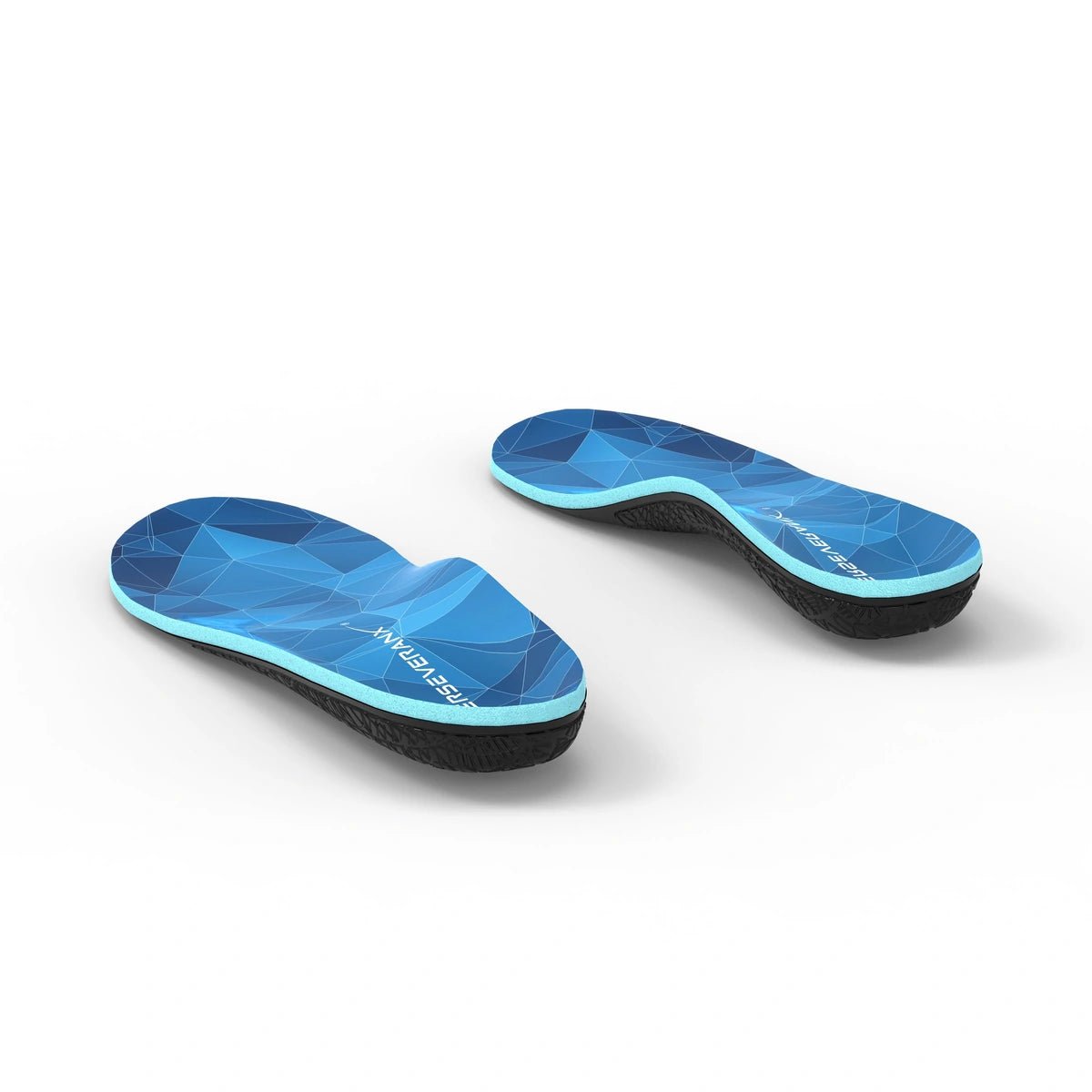
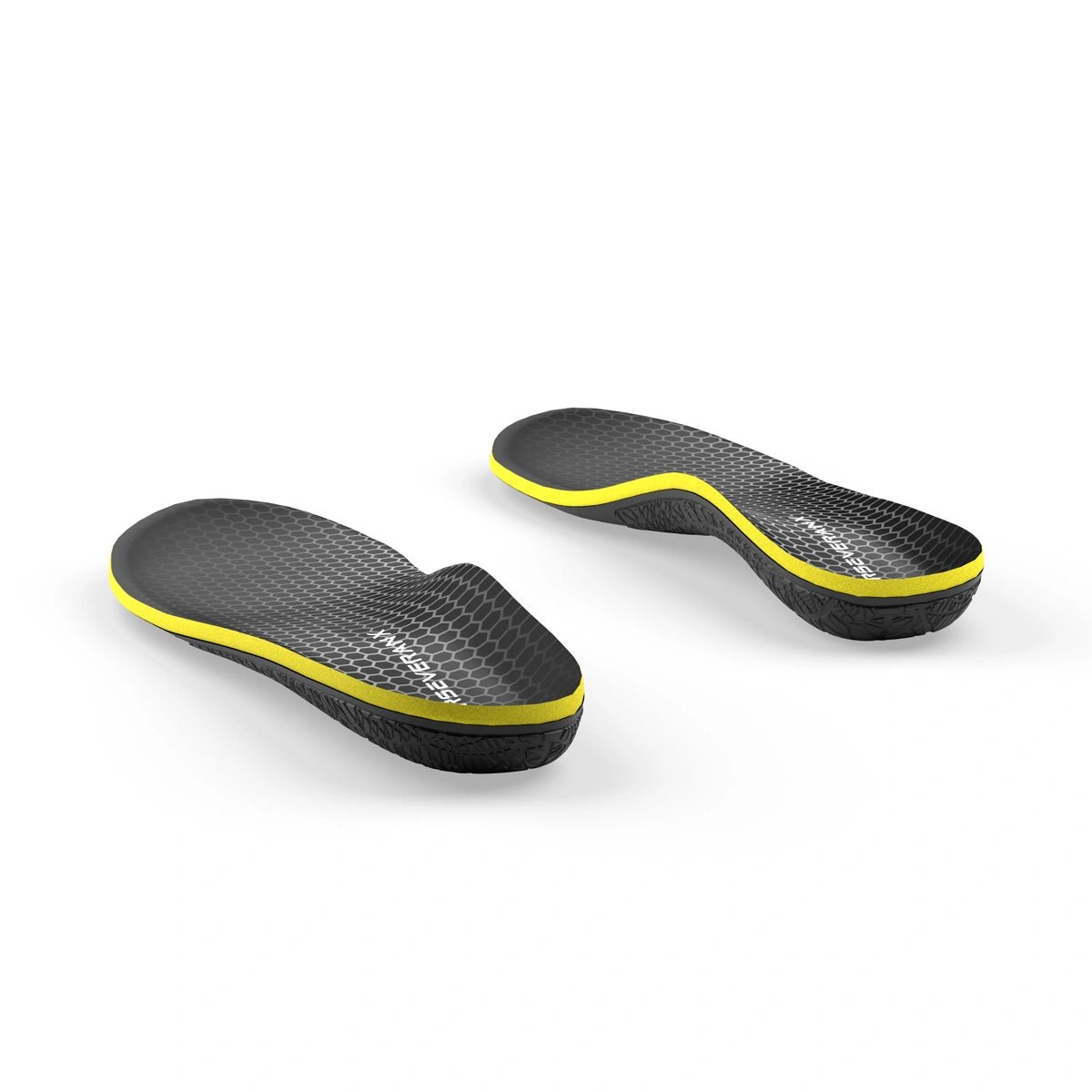
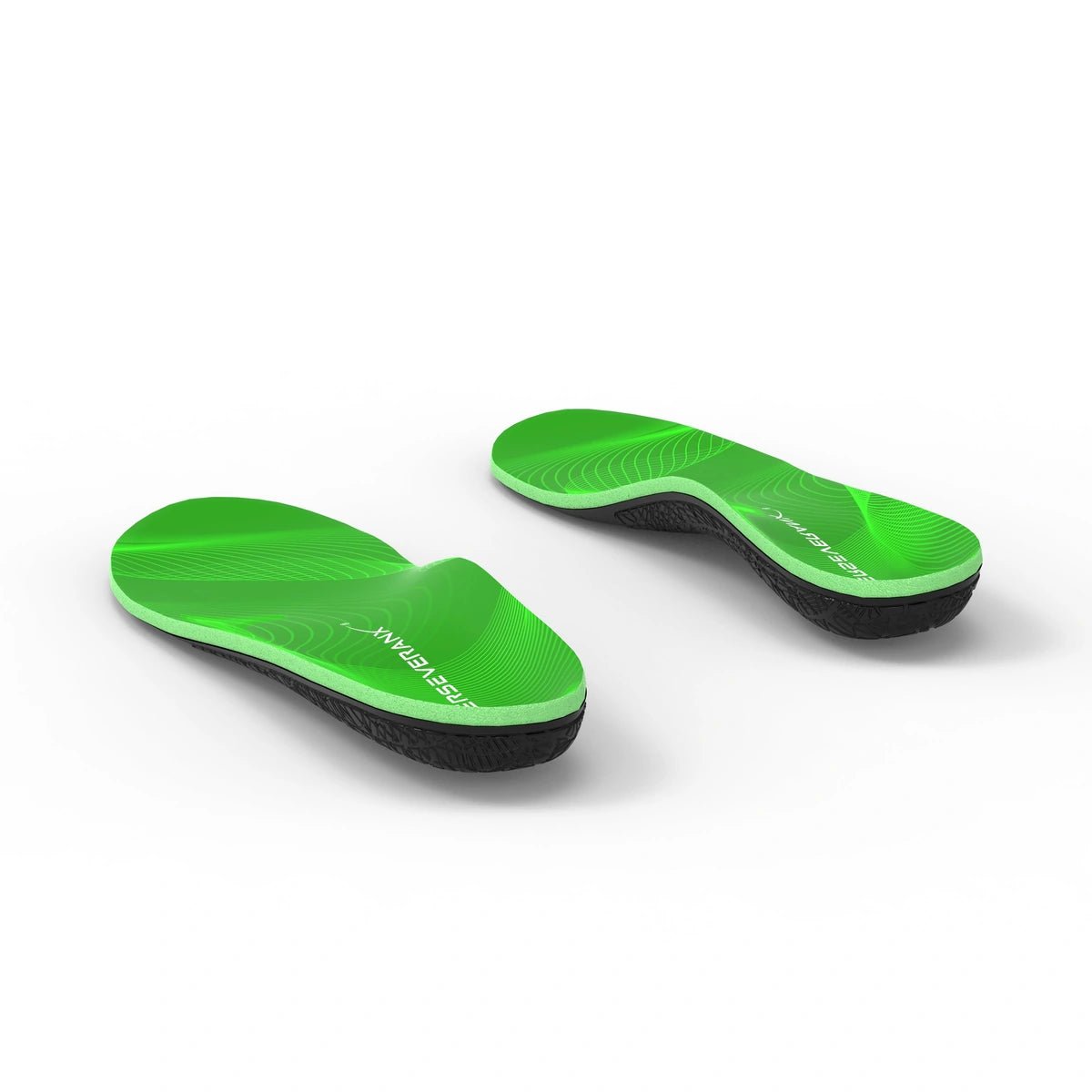
These PerseveranX insoles have a thin green layer of padding. The bottoms have textured plastic around the heel and sides. The plastic firmly holds its shape. It pushes the arches and back of the heels against my feet as I walk. They are surprisingly comfortable to wear.
AnonyArnoPo
I've mostly had gel insoles to help with the ball of the feet, so I figured I'd give these a shot since I have wide, flat feet with a bunion. Without support, on certain shoes, I get a significant hot spot in the ball of my foot and occasionally in the area that would have more of an arch in most people. Customization is simple, and it's easy to trim as long as you use a sharp pair of scissors. Although they're firmer than I expected, the foamy support it provides helps keep my feet stable and the upper layer allows for breathability. These will definitely come in handy when I go on my next trip since we like to explore, and end up with hundreds of steps. I believe it'll give me a bunch of relief in my shins and other spots mentioned significantly, compared to little or no support! Since sandal season is coming up, I won't be wearing sneakers, boots or shoes that these would work best in, but regardless, I may be back for more soon!
RollerMama1
I use the more expensive superfeet insoles, but my feet have been achy because they don't provide any cushioning, so I was super excited to use this cushioned medium arch insole. The PerseveranX NASA Grade Plantar Fasciitis Insoles don't disappoint, they're very comfortable, have great cushioning, and the arch is perfectly placed. The only downside is the insoles ran narrow and were too short for my women's size 7.5 running shoes. If you are at the top of the size range I would size up. They are easy to trim with a pair of good scissors.
3 dogs
I love clog-type slip-on shoes, but they don't always provide enough support for my flat feet. These insoles are the perfect add-in! I can feel the support for my arch - not too much, but just enough so my feet don't roll in. I wear size 10's and these fit just fine, no trimming needed. Even with a thick sock, my feet still feel good inside the shoe, not too tight.
The material does sound like it is nasa-quality - so they should last quite awhile - I am just happy that my feet feel better right now!
sukiro atakame
The arch height of these insoles are effective for support and stability. I used it as soon as it arrived. They prevented slipping and reduced pressure on my heels. They also fit well inside my shoes.
SC
I have insoles that cost a lot and work well; these are not expensive but they are very comfortable and provide good support. Not too stiff or too soft they work well in my court shoes and after two hours on the tennis court my feet feel great. I'm sure they work just as well if you are on your feet all day or just out for a walk. Fit my shoes perfect and I have had zero arch pain or heal pain so I know they are doing the job. Recommend.
DDS24
These are good insoles. They are comfortable and supportive. I'm unsure of the Never flatten technology but so far these are nice insoles. All in all, this is a good product. I'd recommend it to anyone interested in it.
Mark
I got this today.
Its a pair of green shoe insoles.
These are cool.
Right size. Fits my shoe nice.
Trippy green color that no one but me will ever see.
Foam is very good.
Rests on a thin hard bed of a plasticcy material.
Very hard high arch.
Ive had to much annoyance from worn out insoles in my life.
No annoyance now for a while
Recommend
Kathleen San Martino
I have plantar fasciitis and am always looking for inserts with good arch support. These insoles do provide moderate support but they are hard and thin with not much cushioning. Note that there are no guidelines to cut these down to size. I think these are okay but I prefer more cushioning in a thicker insole.
The current price of $24.99 is on the high side of competitively priced for these.