
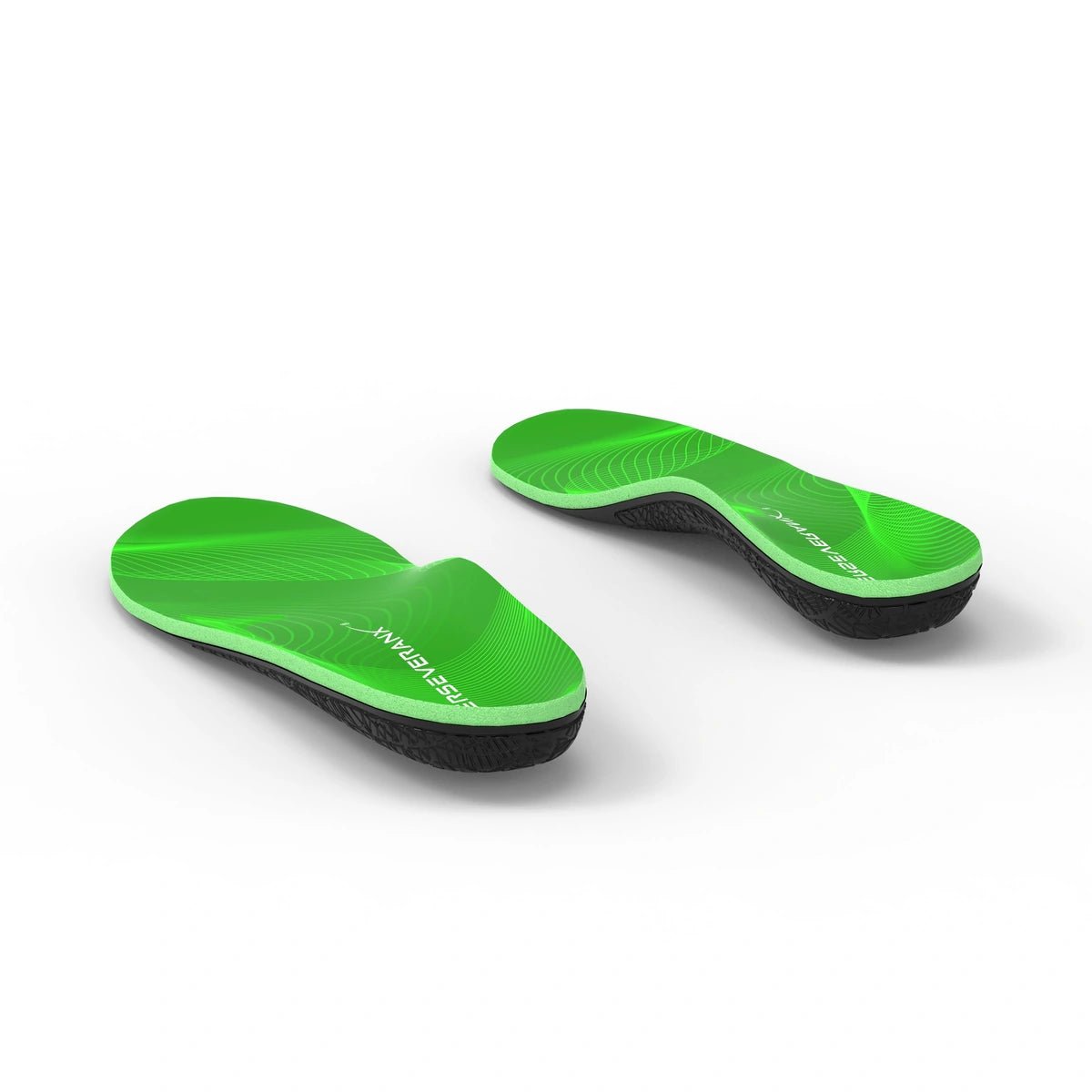
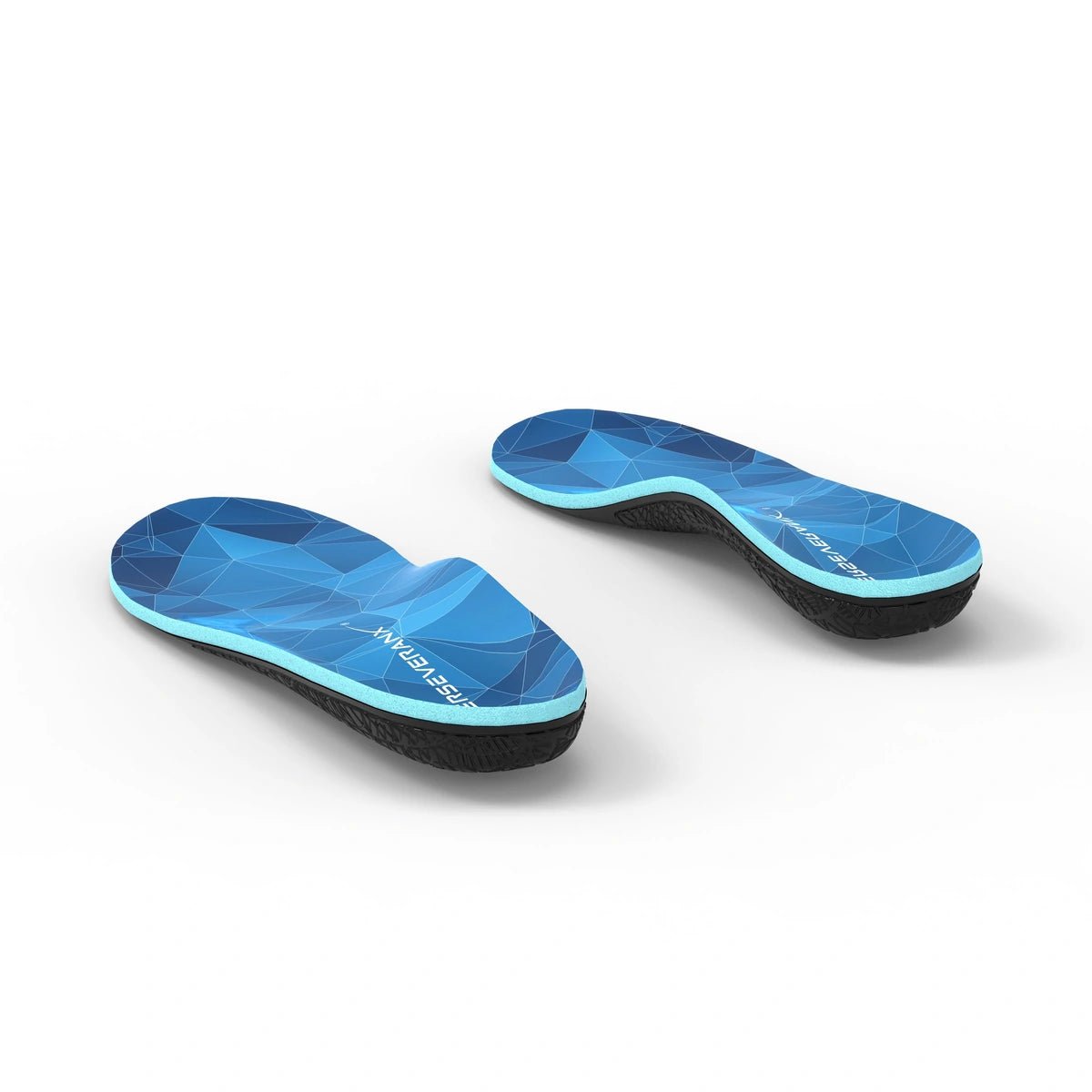
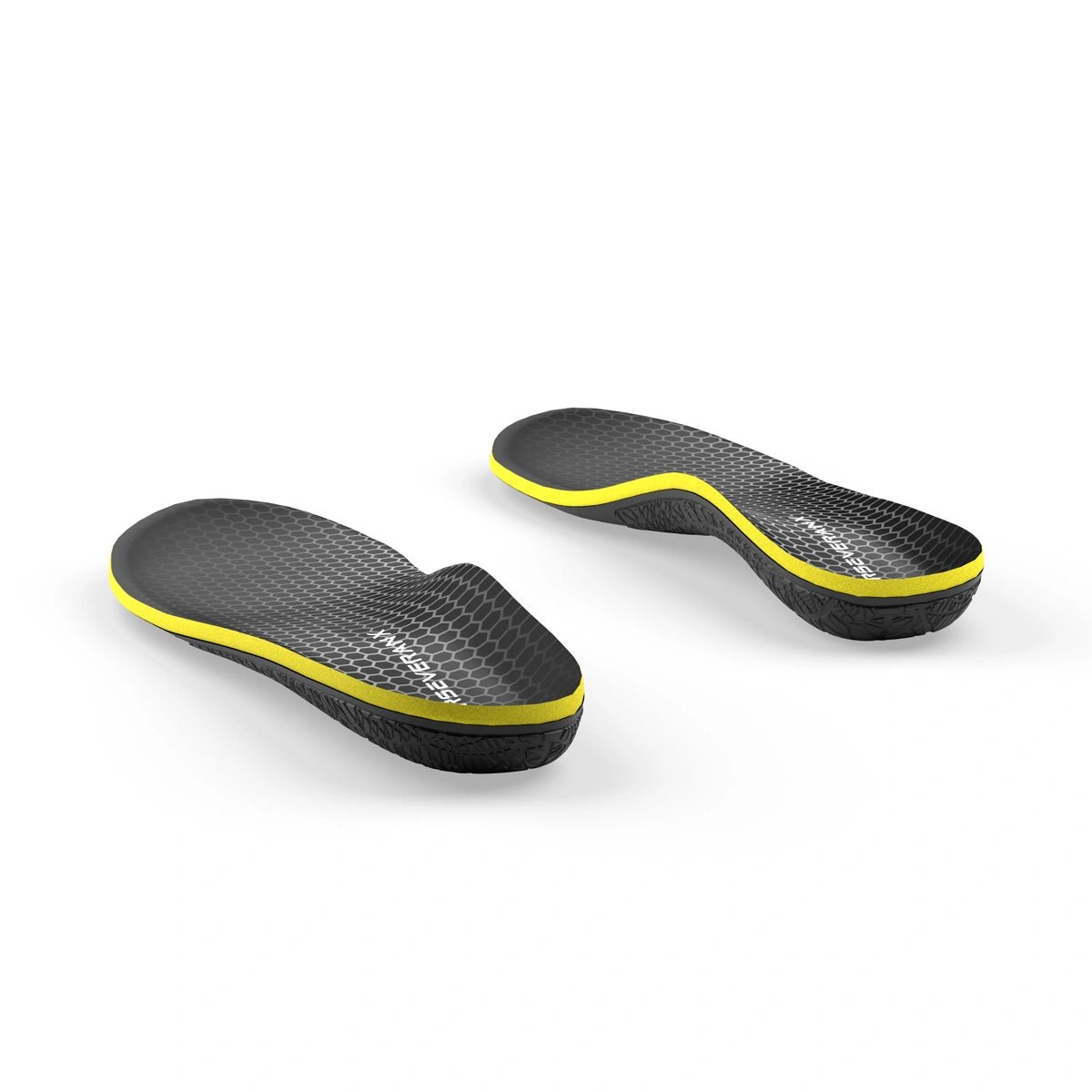
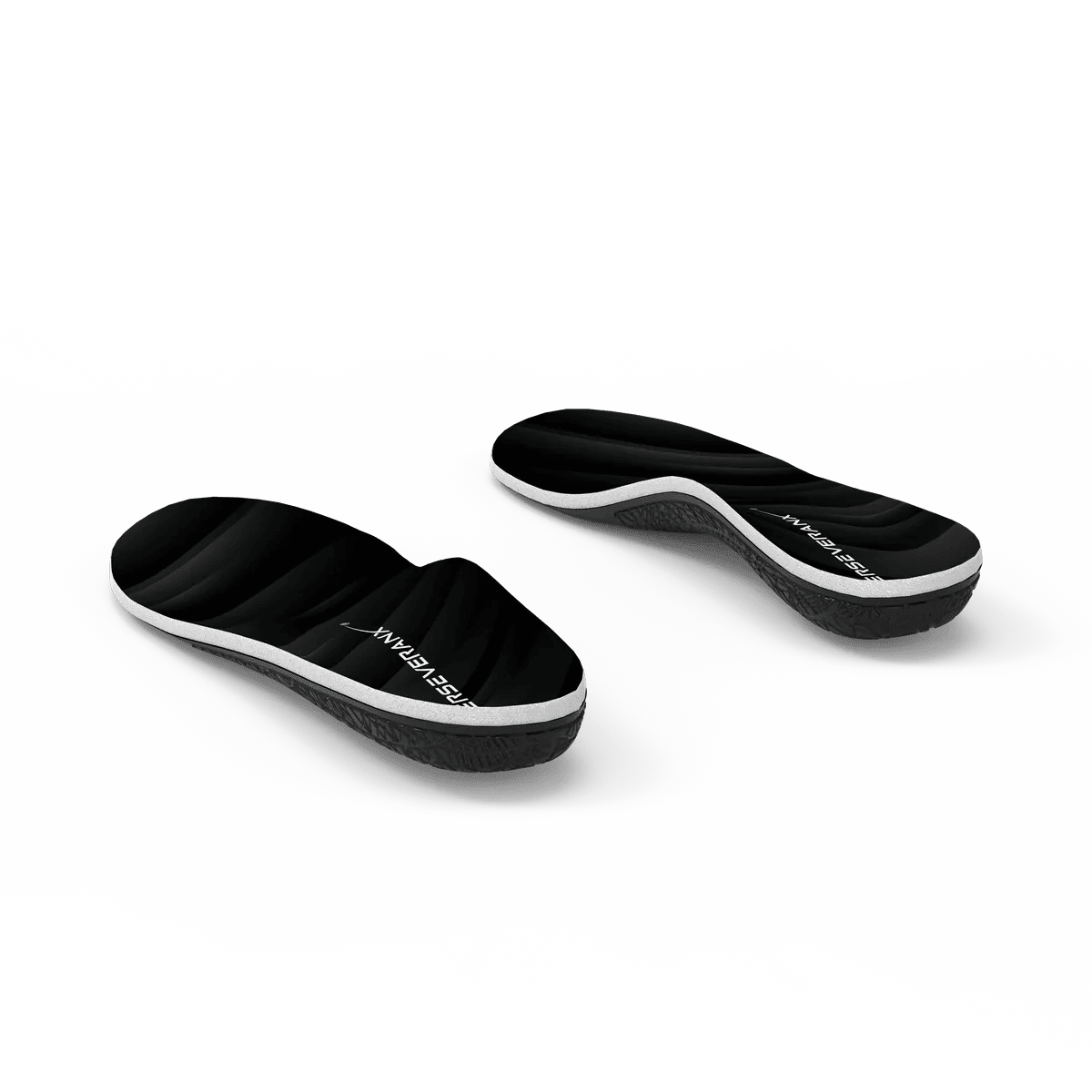
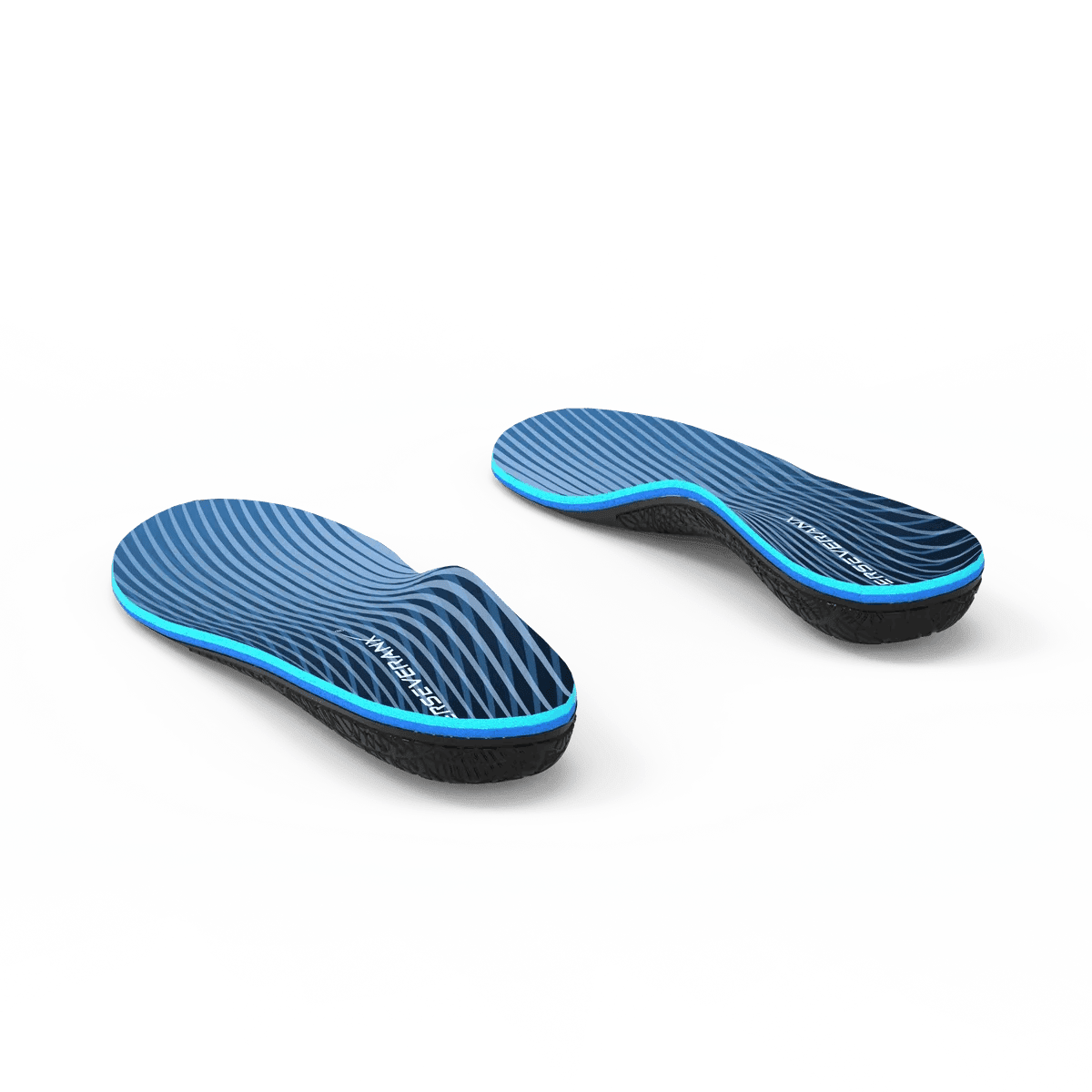
Bouncy

A livelier rebound.
Pronounced spring as you move.
Choose a more noticeable bounce for running, training and brisk walks.
$59.95 USD per pair
Shop BouncyPair savings
Mix models, sizes and colors.
Applied automatically in cart. No code needed.
Your total number of pairs sets your saving: 15% for 2 pairs, 17.5% for 3, or 20% for 4 or more. Cannot be combined with other discounts.
International shipping calculated at checkout. Taxes calculated at checkout.
PLUSH · SOFT, WITH SPRING
A soft first contact. A springy return. Plush pairs a yielding cushion with shaped arch support, bringing a different feeling to the shoes you wear every day.
Feel what makes Plush differentPlush insoles in black, a pair angled toward the camera
1 / 6Plush High-arch insoles
Soft contact. Springy return.
For everyday walking when you want a soft first step and an elastic feel as you move.
Looking for lively rebound? Compare BouncyTHE MATERIAL MAKES THE FEELING
When your shoes feel hard underfoot, a yielding cushion changes that first contact. Plush adds spring to the softness, so the feeling continues as you move.
The video could not play. Open the demonstration directly.
Follow the grey sample. Plush pairs soft contact with a springy return.
Different rebound.
Different feel.
An easily yielding surface softens contact beneath your foot.
Material response illustrated · Thickness enlarged for clarity.
Plush yields easily when your foot meets it, then springs back as you move. Soft contact, an elastic response and cushioning made to keep coming back.
An easily yielding cushion gives your heel and forefoot a softer surface inside your everyday shoes.
Elastic recovery adds a springy feeling as you walk. Choose Plush when you want softness with more bounce than Embrace.
The open-cell cushioning resists packing down, helping preserve the soft contact you chose it for through repeated use.
Commuting, errands and days out on foot—when a soft first step and a little spring are what make shoes feel good to you.
SOFTNESS, WITH A FOUNDATION
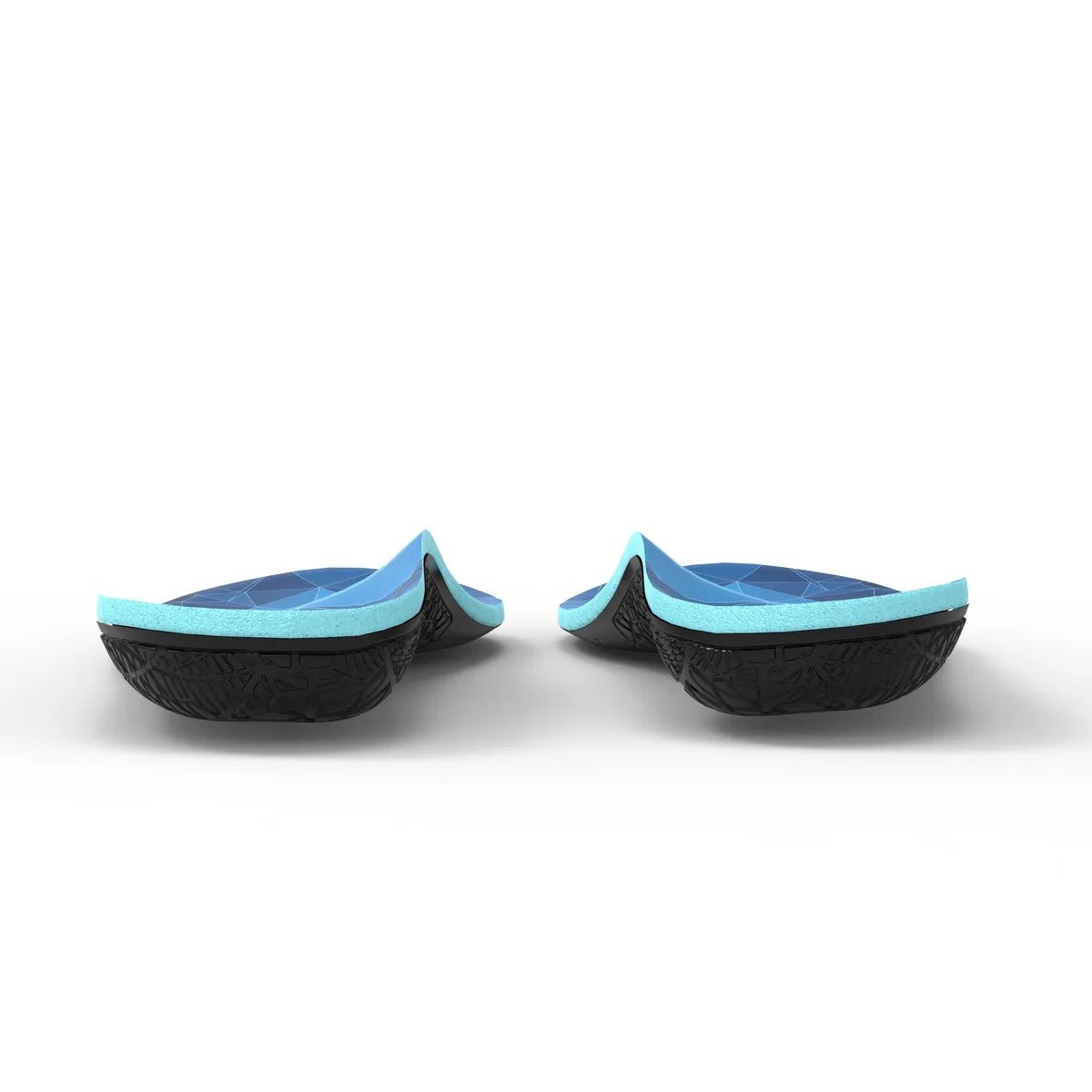
Plush puts a soft cushioning layer above a shaped base. Your arch has a surface to bear against. Your heel has a cup around it.
Approx. 0.16 in (4 mm)
The yielding contact layer gives Plush its signature softness, with rebound as pressure lifts. It cushions your contact with the firmer support below.
Slim at the forefoot. Fuller at the heel.
A shaped intermediate layer that follows the insole’s profile, between the cushioning and the supporting frame.
EVA is approximately 0.04 in (1 mm) at the forefoot, with a thicker heel section. These layer measurements are not the full insole height.
Raised arch support · Deep heel cup
A firm foundation beneath the comfort layers supports your arch and cradles your heel. The cushioning above softens your contact with that support.
Molded TPU forms the support frame. The frame connects through the center beneath the comfort layers.
The soft feeling you want.
The shaped support beneath it.

COMFORT FOR THE EVERYDAY MILES
A softer, springier feeling
in your everyday shoes.
Your morning walk.
Your usual pair. A different feel.
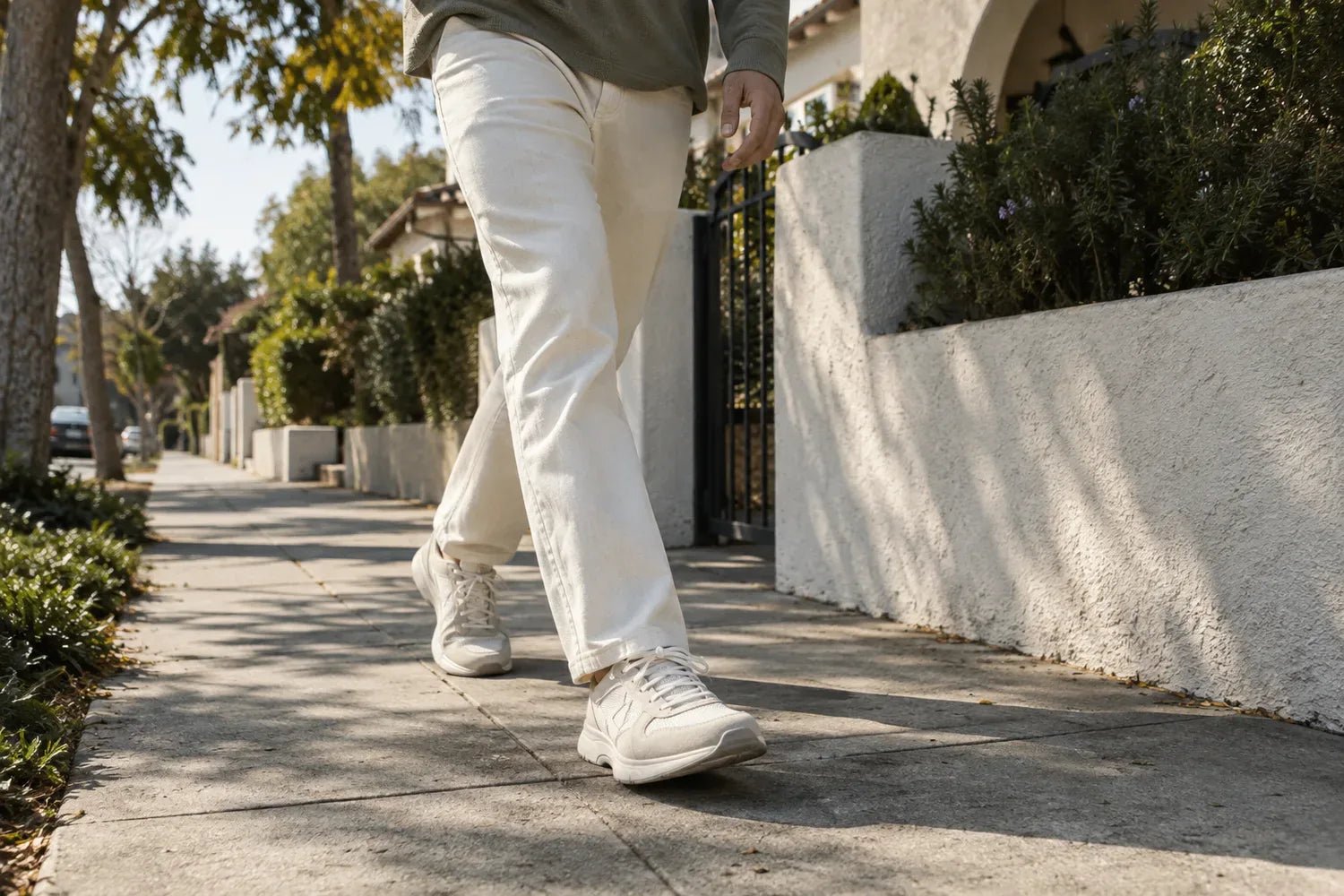
Your shoes keep their midsole. Plush replaces a removable insole with soft, springy cushioning and a shaped arch-and-heel foundation.
Choose your Plush pairFind your feel
A livelier rebound or a softer first step. Find the spring you enjoy.
A livelier rebound.
Pronounced spring as you move.
Choose a more noticeable bounce for running, training and brisk walks.
$59.95 USD per pair
Shop Bouncy
A softer first step.
Soft contact. Springy return.
Choose a softer, more yielding cushion with spring for everyday walking.
$79.95 USD per pair
Shop PlushBoth pair their cushioning with high arch support and a deep heel cup.
BEFORE YOU MAKE THEM YOURS
Yes—the cushion and frame do different jobs. The soft layer changes the contact beneath your foot; the firmer frame provides the arch contour and heel cup. You may feel the raised arch, but it should not create a sharp pressure point.
Plush is selected for softness and elastic rebound. It yields under pressure, then returns as that pressure lifts. It is not designed around the slow, lingering impression associated with memory foam.
A particular combination: a soft first compression, a springy response and a separate shaped support frame. Choose Plush because you want that feeling in your everyday shoes. Embrace offers less bounce; Bouncy emphasizes a more pronounced rebound. A higher price does not make one feel right for everyone.
Compare the feelsThe material is selected for shape recovery. Its reference compression-set test reports less than 2% residual deformation under the stated conditions. That supports the material choice; it is not a lifetime guarantee. Use and shoe fit affect wear, so check for lasting flattening, damage or a change in feel.
It can if the shoe has too little room. Replace an original insole only when it is designed to come out. Compare length and width, then check heel seating and toe room before trimming. The 0.16 in (4 mm) measurement describes the cushioning layer, not the full height of Plush.
Plush’s main direction is soft, springy everyday comfort. For running and training, Bouncy is the collection’s more pronounced rebound option. You can compare those feels above, then check the pair in the shoes you intend to use.
Try Plush in your own shoes. Our 60-day return policy includes wearing and trimming, with the window starting on delivery. Follow the return instructions if the feel or fit is not right for you.
Read the return policy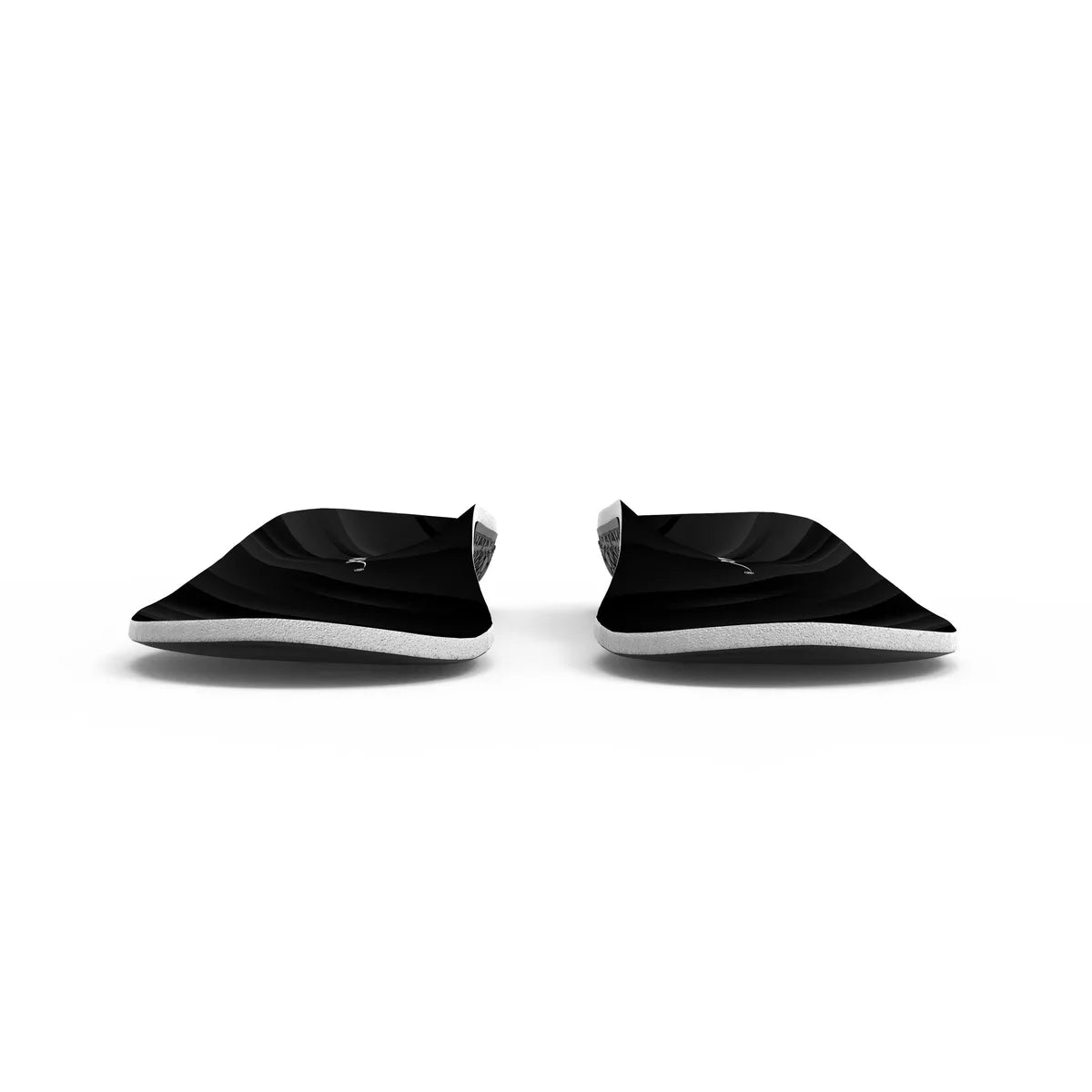
YOUR EVERYDAY, WITH PLUSH
Soft contact. A springy return.
A shaped foundation beneath both.
Plush · Earlier editions
Reviews of earlier Plush editions, with different construction and arch options.
Reviews dated before October 17, 2026 relate to earlier versions and do not rate the current construction. Some reviews were imported. Original dates, recorded variant details and sources are retained.