

One week is a useful time to review your footwear, understand what aggravates heel pain, and begin an appropriate care plan. It is not a reliable deadline for curing plantar fasciitis. The Royal Orthopaedic Hospital explains that improvement can take months.
If plantar fasciitis has not been diagnosed, avoid treating a search result as confirmation; AAOS explains how clinicians assess heel pain. The following is a way to organize your first week and your questions, rather than a prescribed rehabilitation program.
Days 1–2: identify the repeated demands
Write down when discomfort starts, which shoes you are wearing, and which activities make it worse. Include work as well as exercise: several hours at a counter can matter just as much to your daily schedule as a planned workout.
The Royal Orthopaedic Hospital recommends reducing the stresses that aggravate heel pain and reviewing footwear. Translate that into a specific question for your clinician: “Should I shorten this walk, change this task, or take more sitting breaks?” An actionable adjustment is more useful than a vague promise to rest.
Days 3–4: review the shoes you rely on
Set out your main work shoes and everyday shoes. Check their condition, the available room, and whether the original insoles are removable. If a shoe is already tight, adding another layer is not a good fit solution.
For a replacement insole, match length and width, then check where the contour meets your arch. Follow the size and trimming guide and remove only inserts intended to come out. The goal is a comfortable heel position and enough toe room inside the finished shoe.
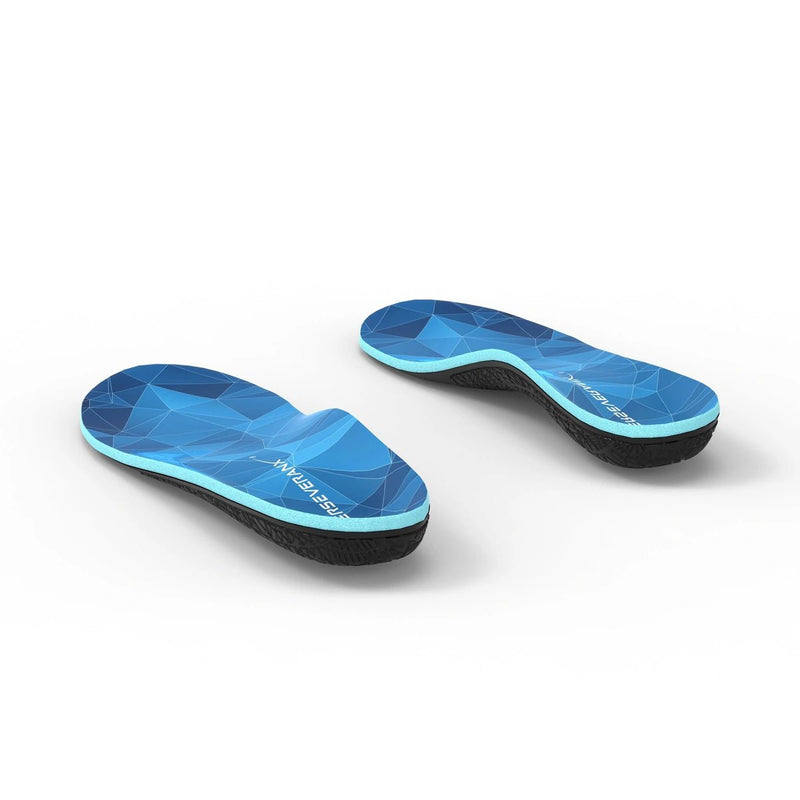
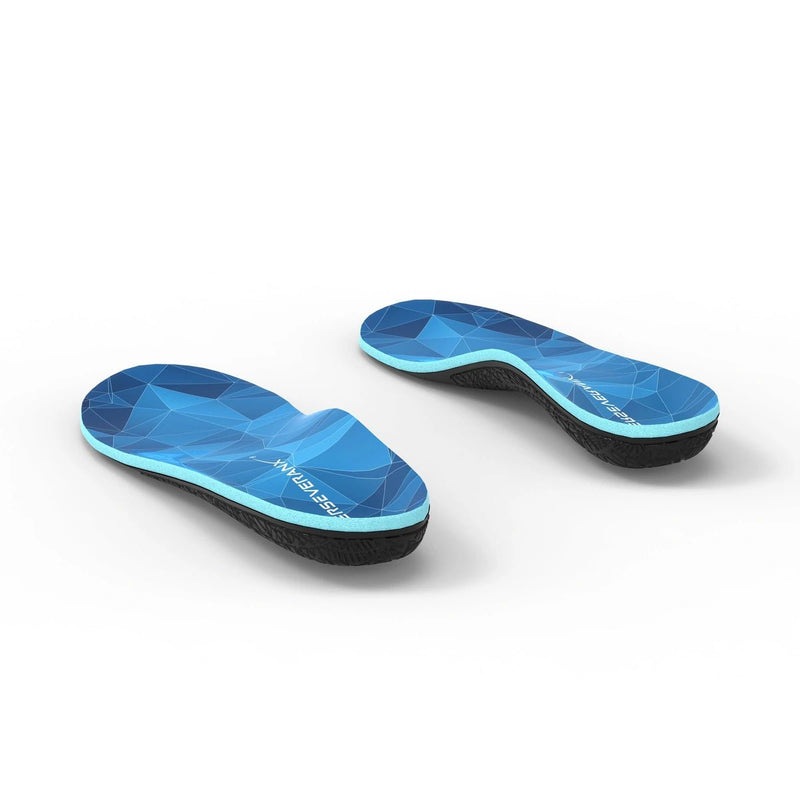
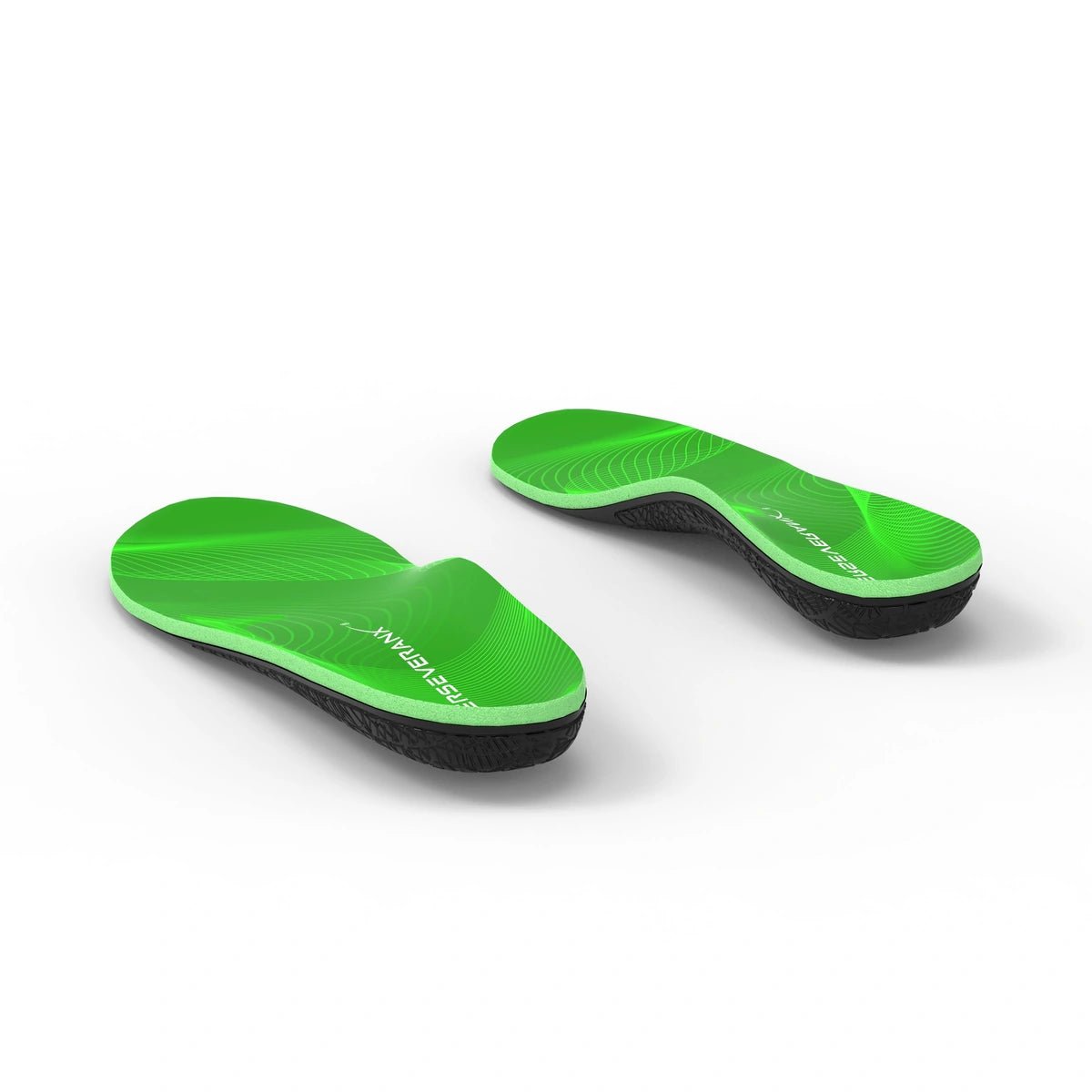
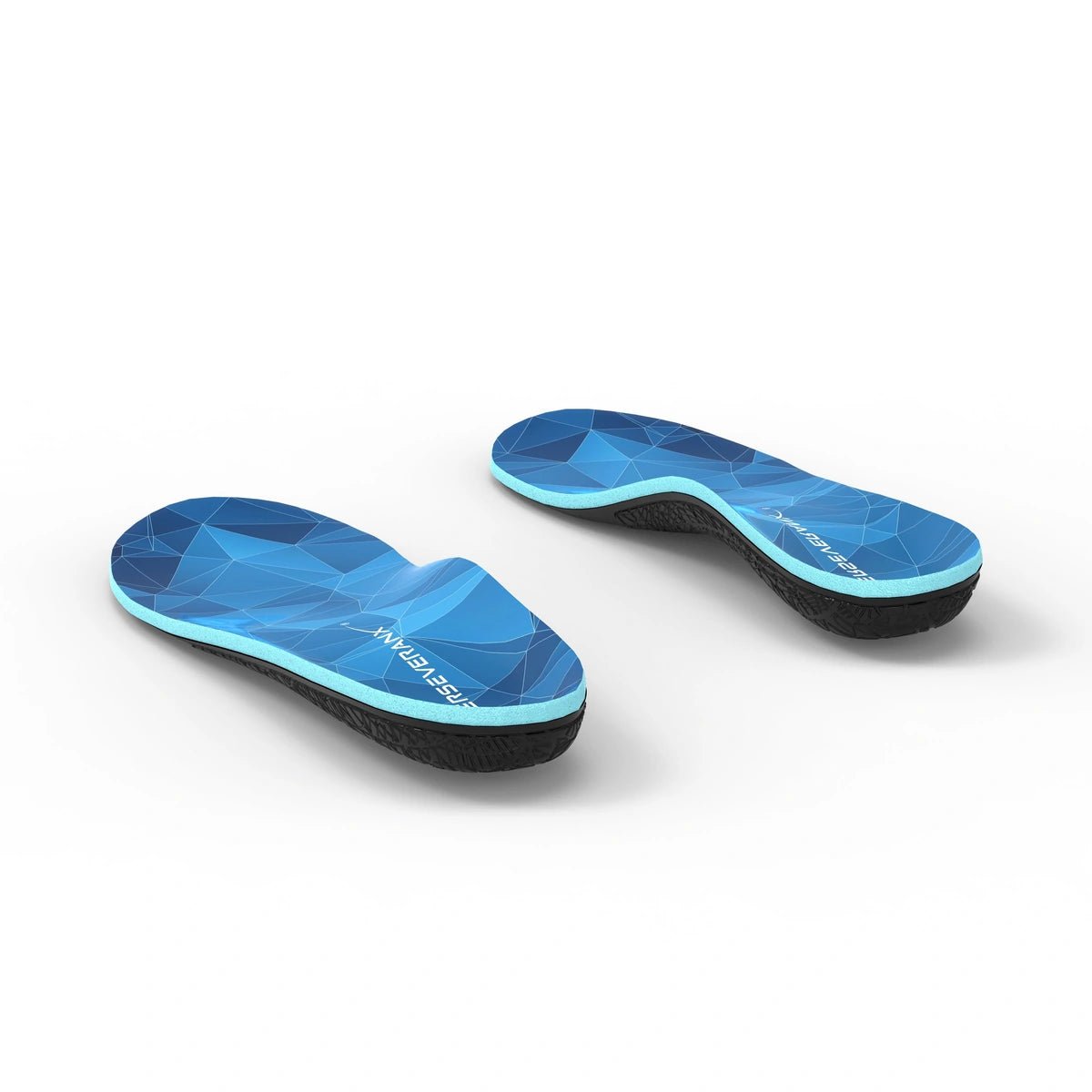
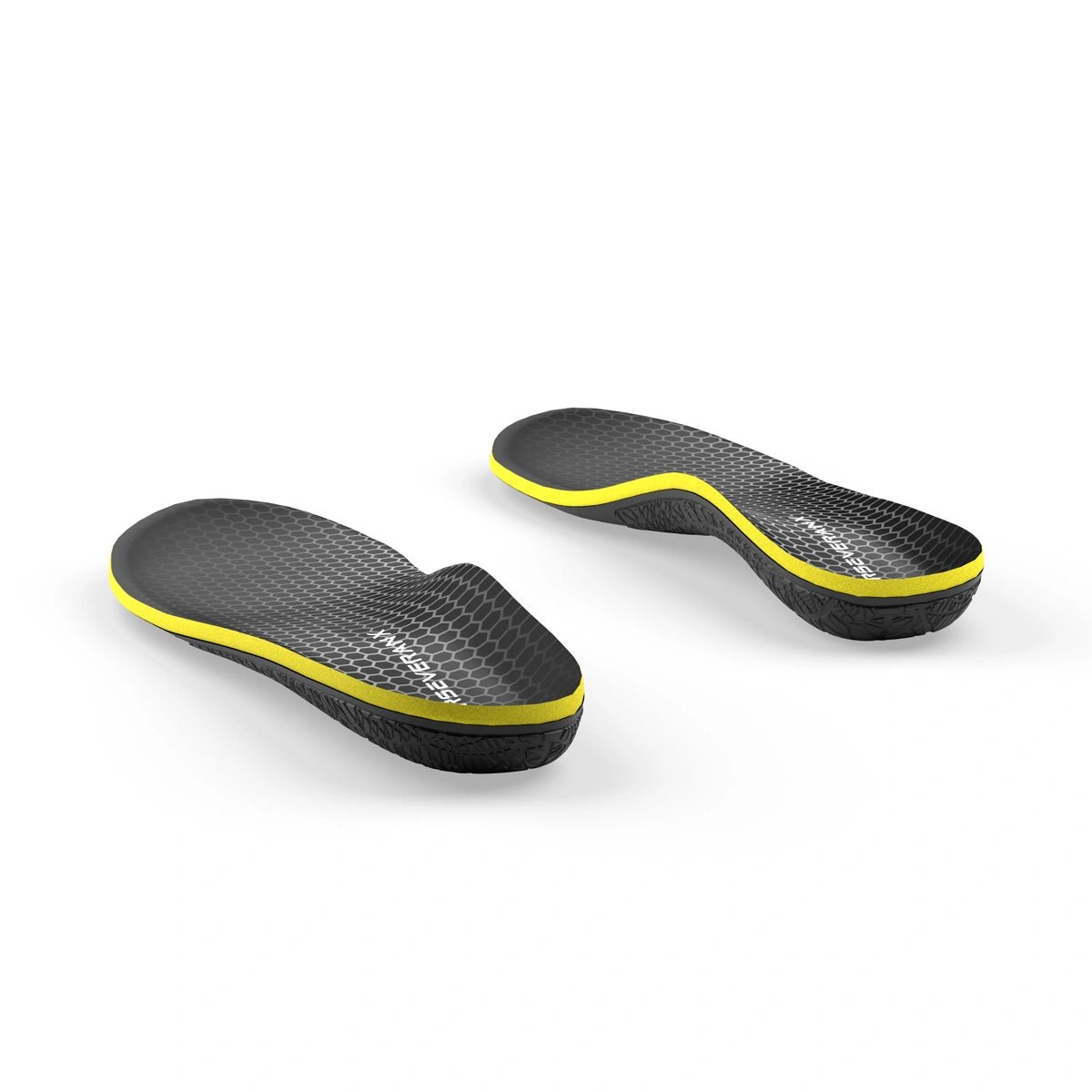
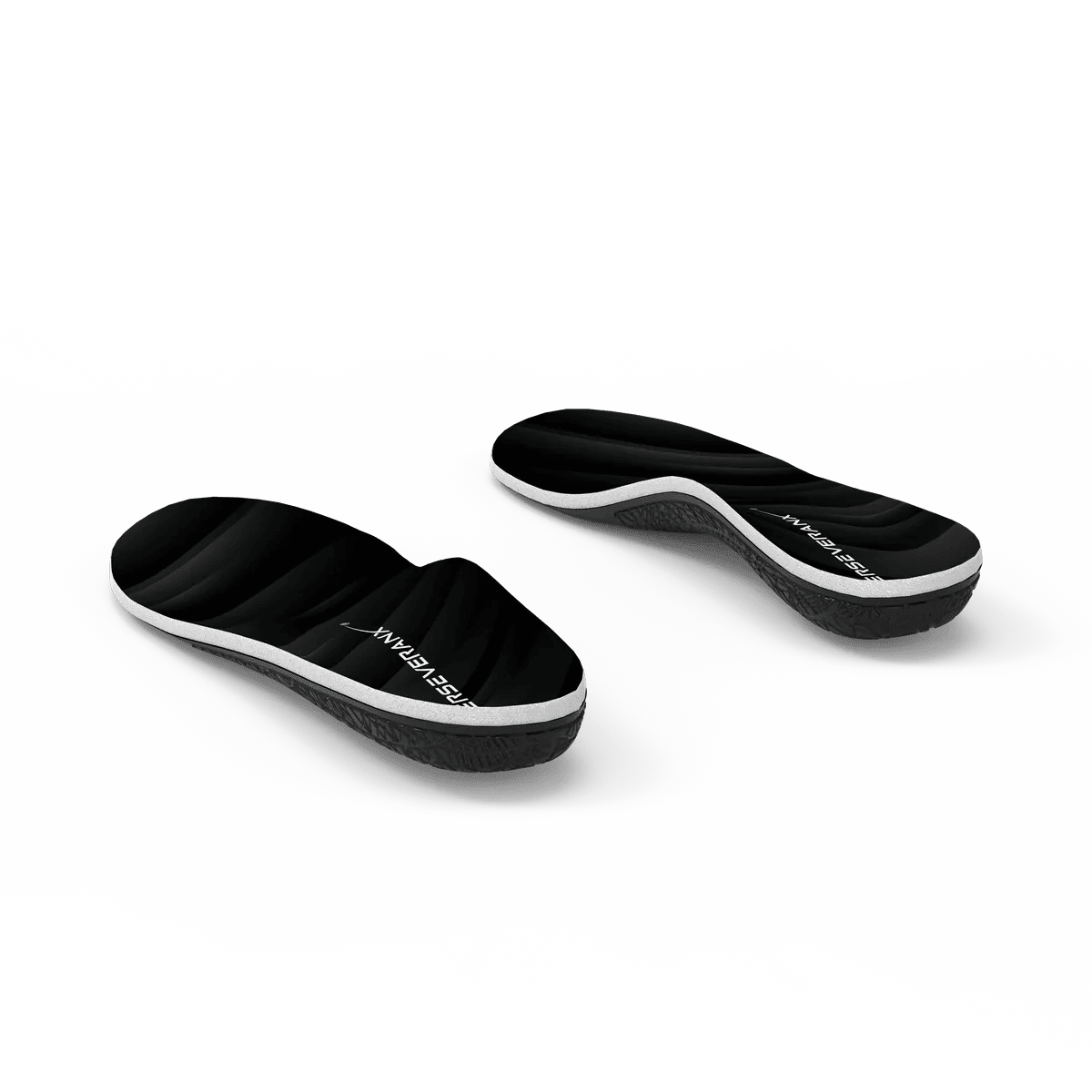
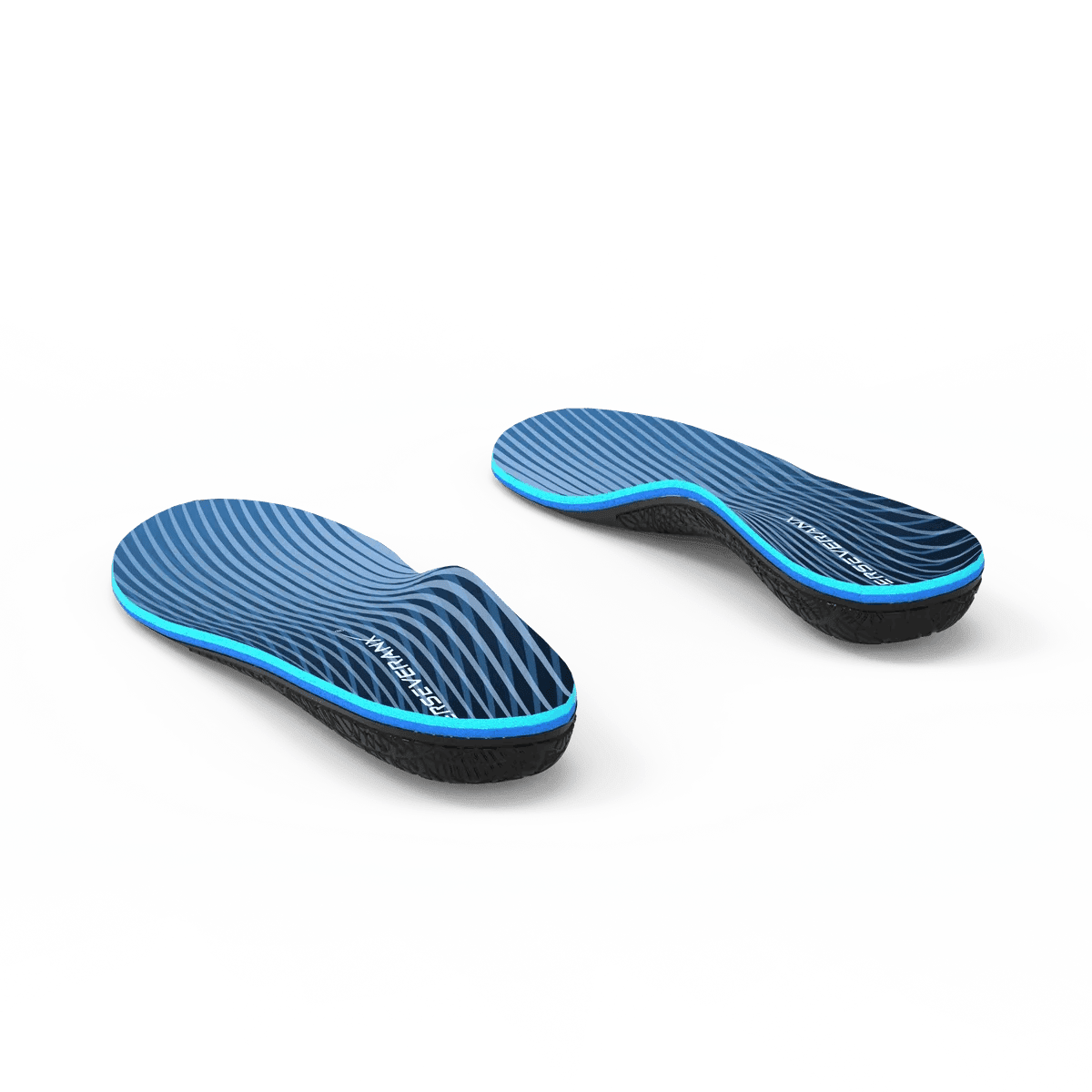
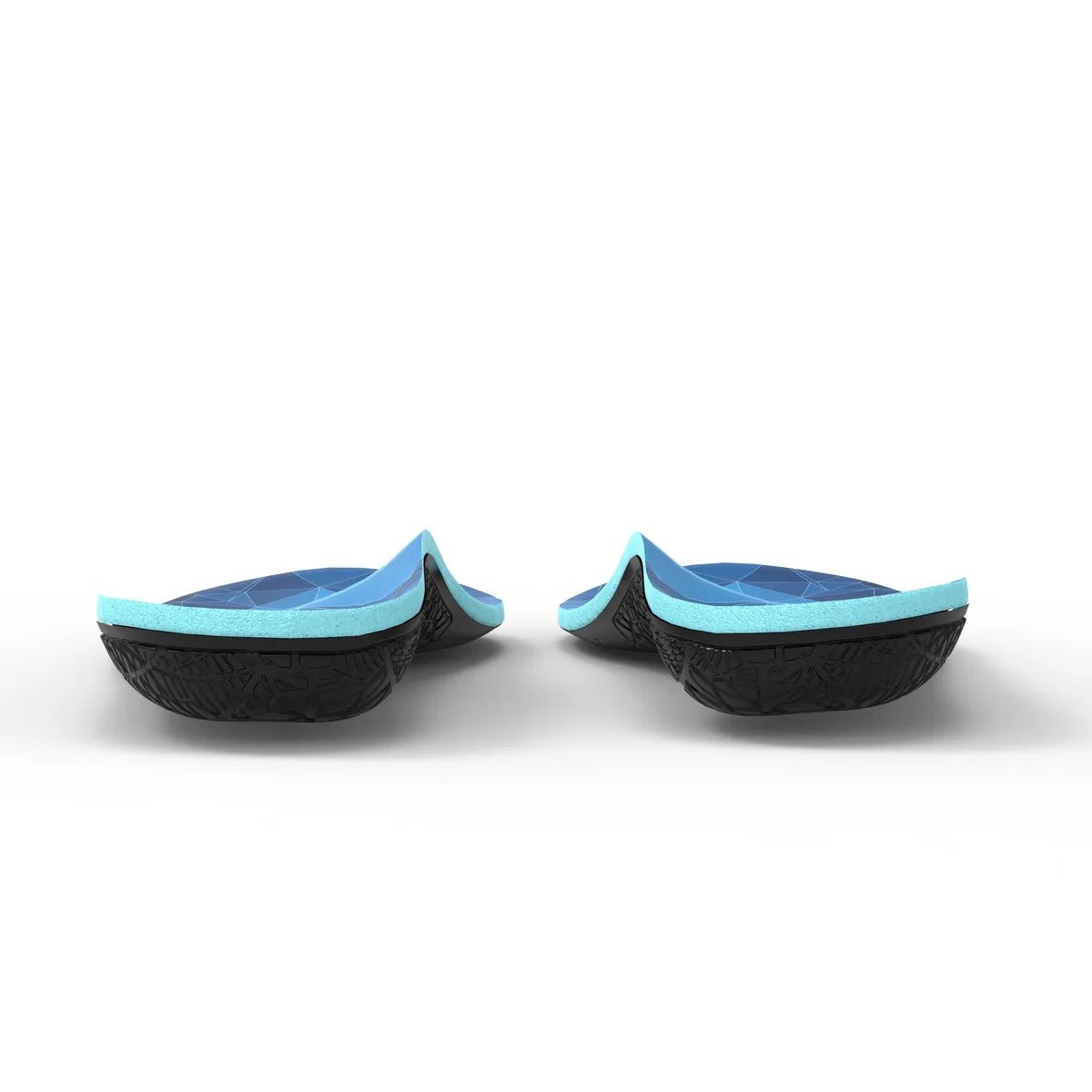
If you are comparing cushioning, Embrace offers a softly contouring surface with low bounce. Its approximately 0.16 in (4 mm) open-cell PU cushion sits above a comfort base and a shaped frame that supports the arch and cradles the heel. The material is selected for recovery after pressure and resistance to lasting flattening, helping the cushioning retain its feel through repeated wear. That material thickness is not the full insole height.
Choose exercises with the right guidance
Calf and plantar fascia stretching may form part of care, as the hospital guidance explains. Ask a clinician or physical therapist which movements suit your situation and how to judge your response. You do not need an aggressive routine or a new exercise every day to make the first week useful.
Bring your activity notes and shoes to the conversation. Ask what to change first and what would mean the plan needs review. Do not push through increasing pain to finish a routine.
Days 5–7: review the pattern
Compare similar parts of your day rather than searching for a dramatic overnight result. Have you identified a troublesome shoe? Is your work plan more manageable? Do you know which exercises, if any, have been recommended and when to follow up?
Seek care sooner for severe or worsening symptoms instead of waiting for the week to end; the NHS outlines when to get help. For the next footwear decision, read how to choose insoles for plantar fasciitis, how it can affect walking, and how our cushioning works. A clear plan and a comfortable fit are worthwhile first-week outcomes.