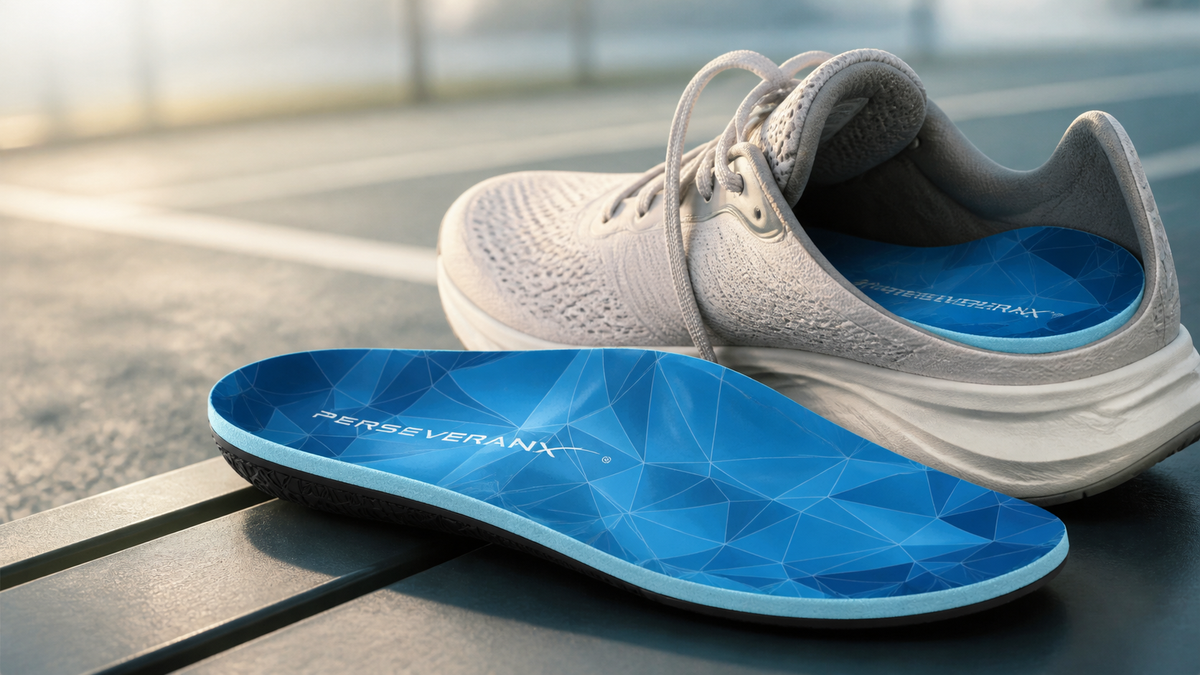
When shopping for insoles for supination, compare cushioning, arch contact and how securely your foot sits inside the shoe. A soft first impression is appealing, but the complete fit matters: you want comfortable contact underfoot without creating crowding or an awkward pressure point.
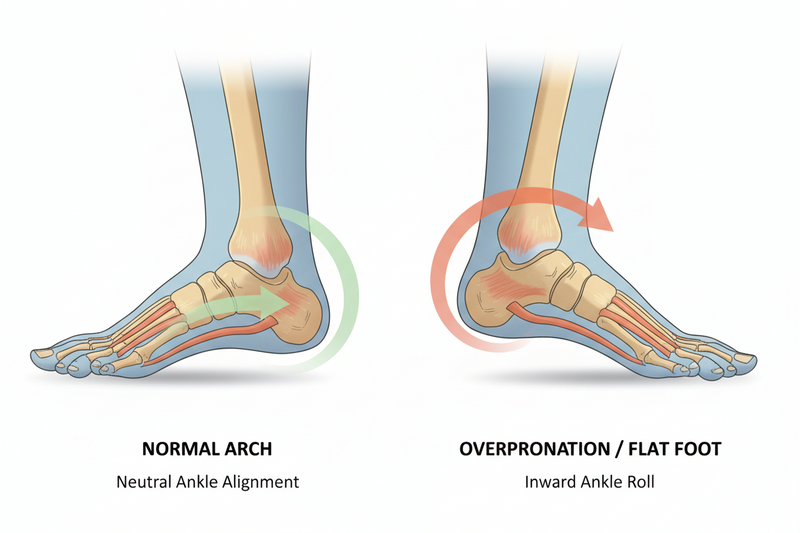
Supination is often discussed alongside high arches. The American College of Foot and Ankle Surgeons explains that cavus feet can place more pressure on the heel and ball of the foot and may be associated with ankle instability. A clinician can assess the cause and whether an orthotic, footwear change or another approach is appropriate.
Start by describing the experience you want to improve
Make the question specific. Does your heel feel harsh contact in your walking shoes? Is there a hard spot under the ball of your foot? Does the arch contour feel misplaced? Or does the ankle repeatedly feel as though it may give way? The last concern deserves assessment, not another round of buying softer inserts.
Bring your usual shoes to a fitting. If you already use prescribed orthotics, ask before replacing them. Our guide to insoles for high arches explains related fit questions, while pronation versus supination helps separate the movement terms.
Evaluate cushioning in two moments
First, notice what happens as you put weight on the insert. Does it yield comfortably beneath the contact areas, or feel too firm for your preference? Then notice what happens as you lift your foot. Do you enjoy a noticeable spring-back, or would you rather have a calmer, lower-bounce sensation?
Those two moments explain why “soft” is an incomplete product description. Two cushions can both compress underfoot yet feel different as pressure lifts. Looking at both helps you choose a feel you want for an afternoon of errands or a day at work.
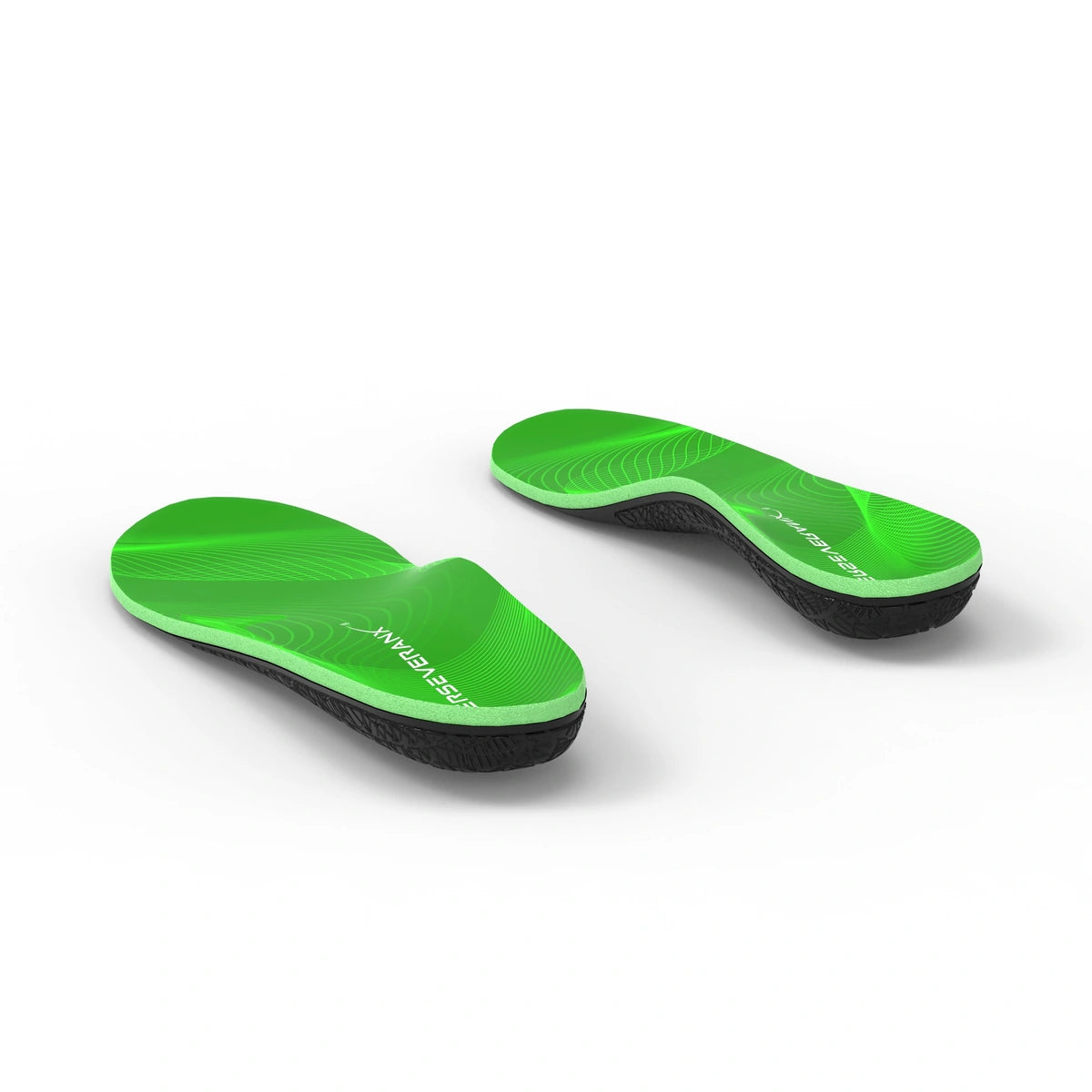
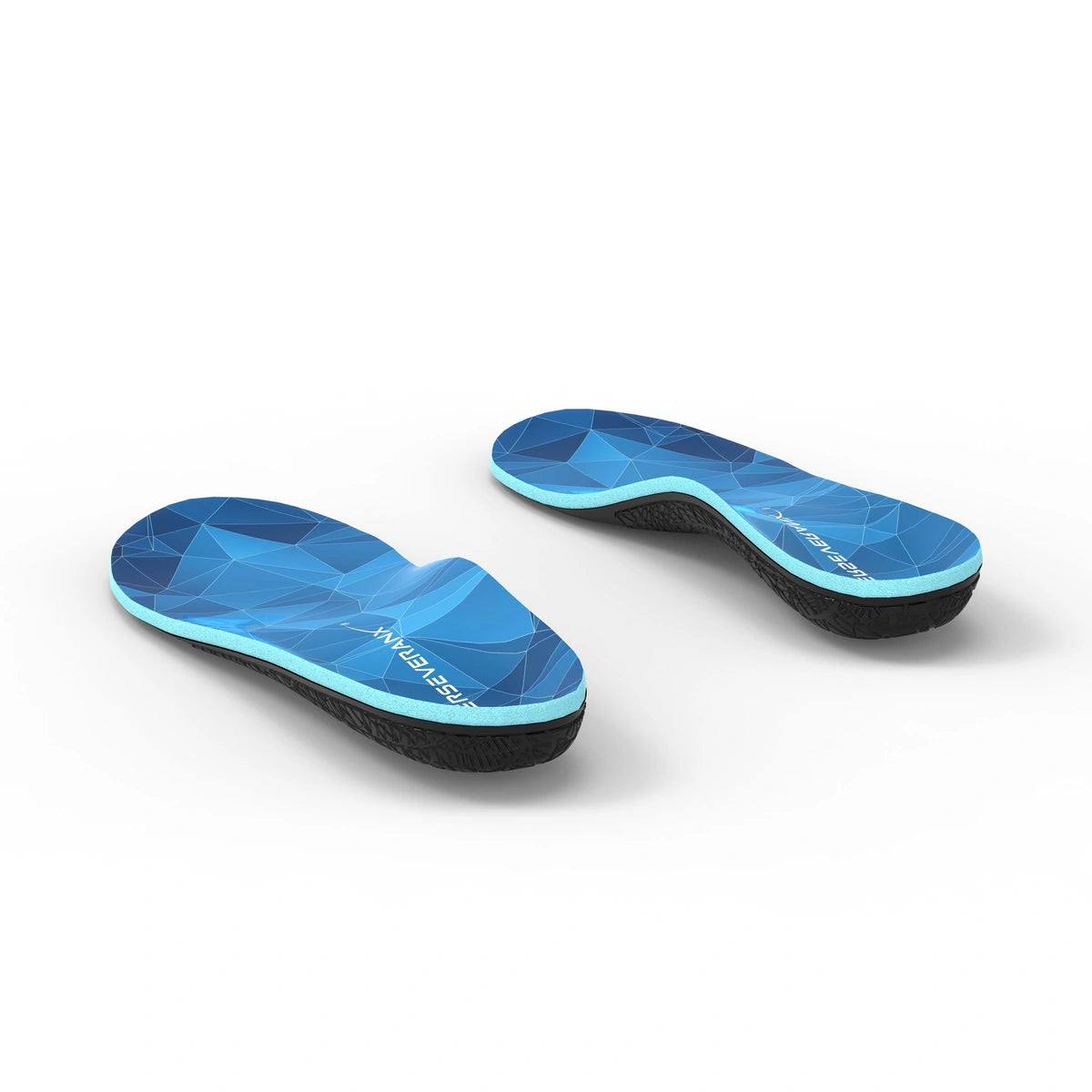
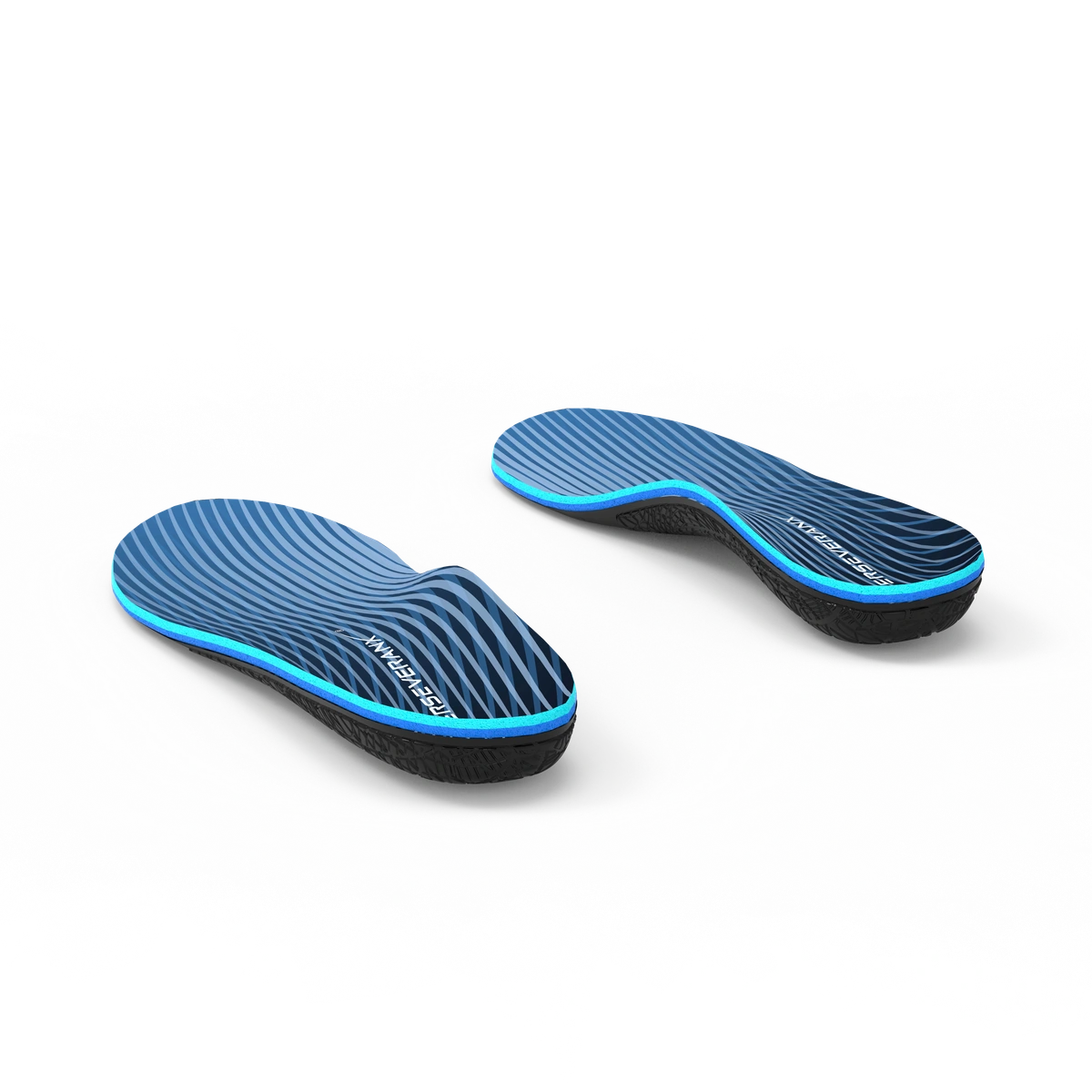
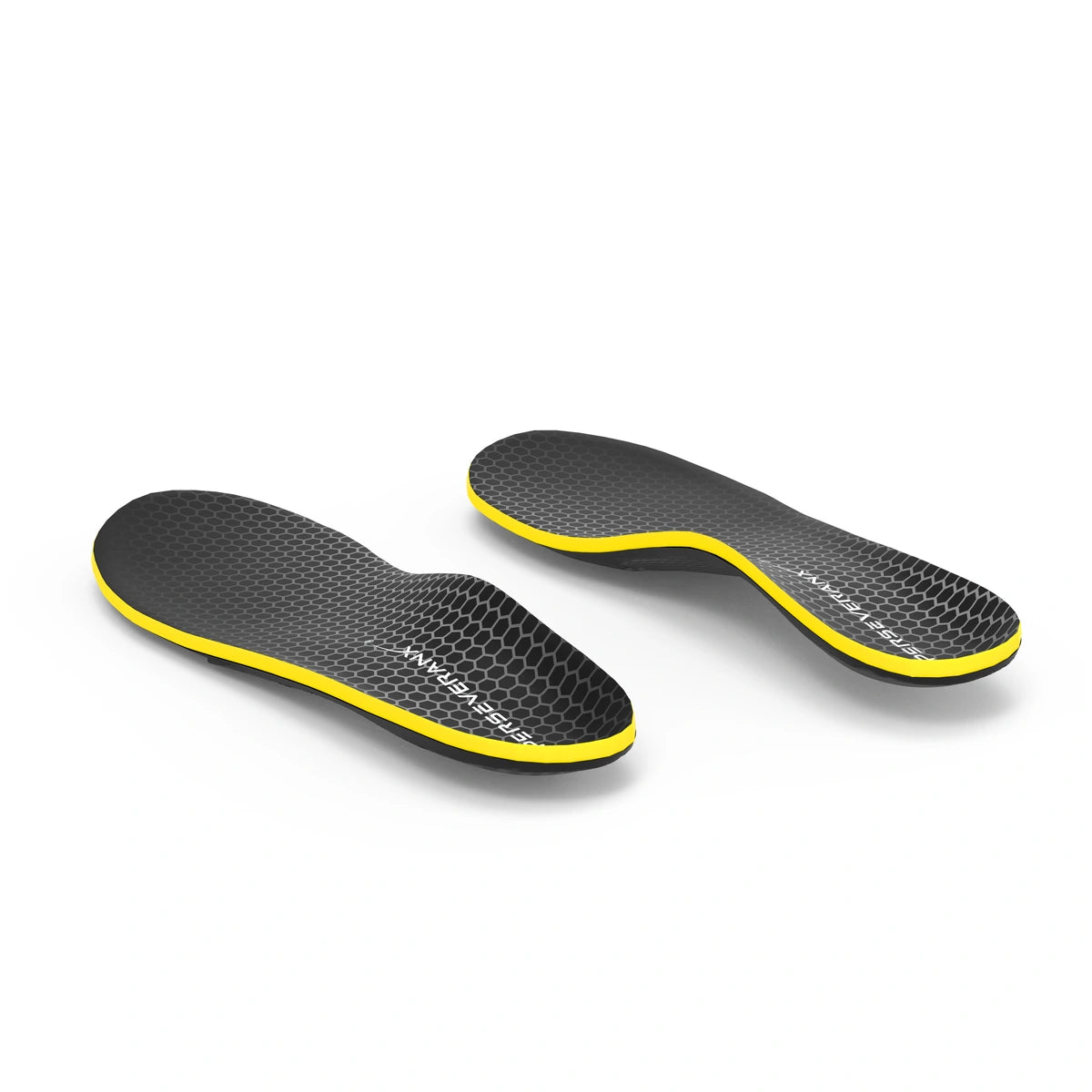
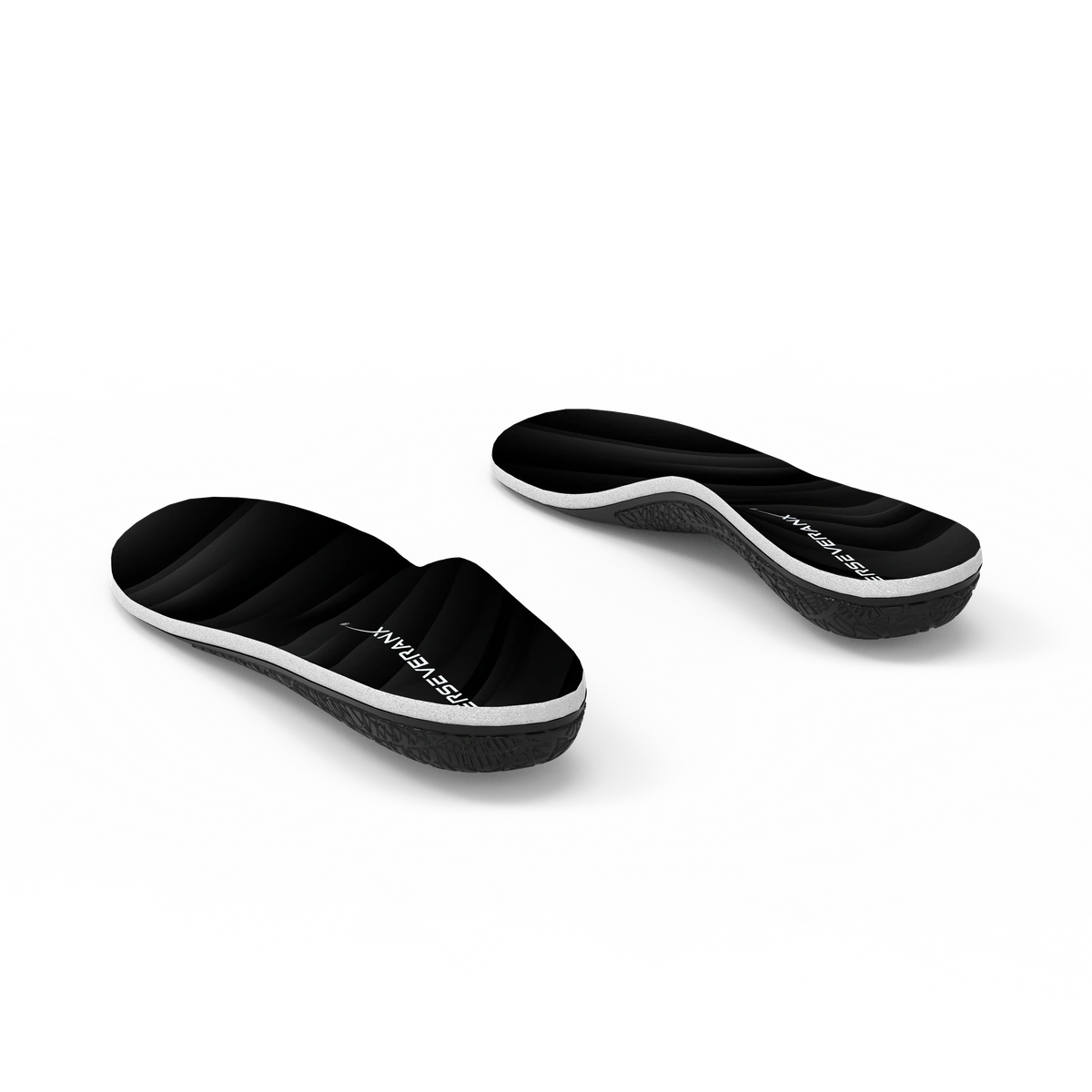
Embrace is the softer-contouring, low-bounce option. Plush pairs softness with spring-back. Their open-cell PU cushioning recovers after pressure and resists lasting flattening, helping preserve the cushioning you selected through repeated wear.
Check the support underneath
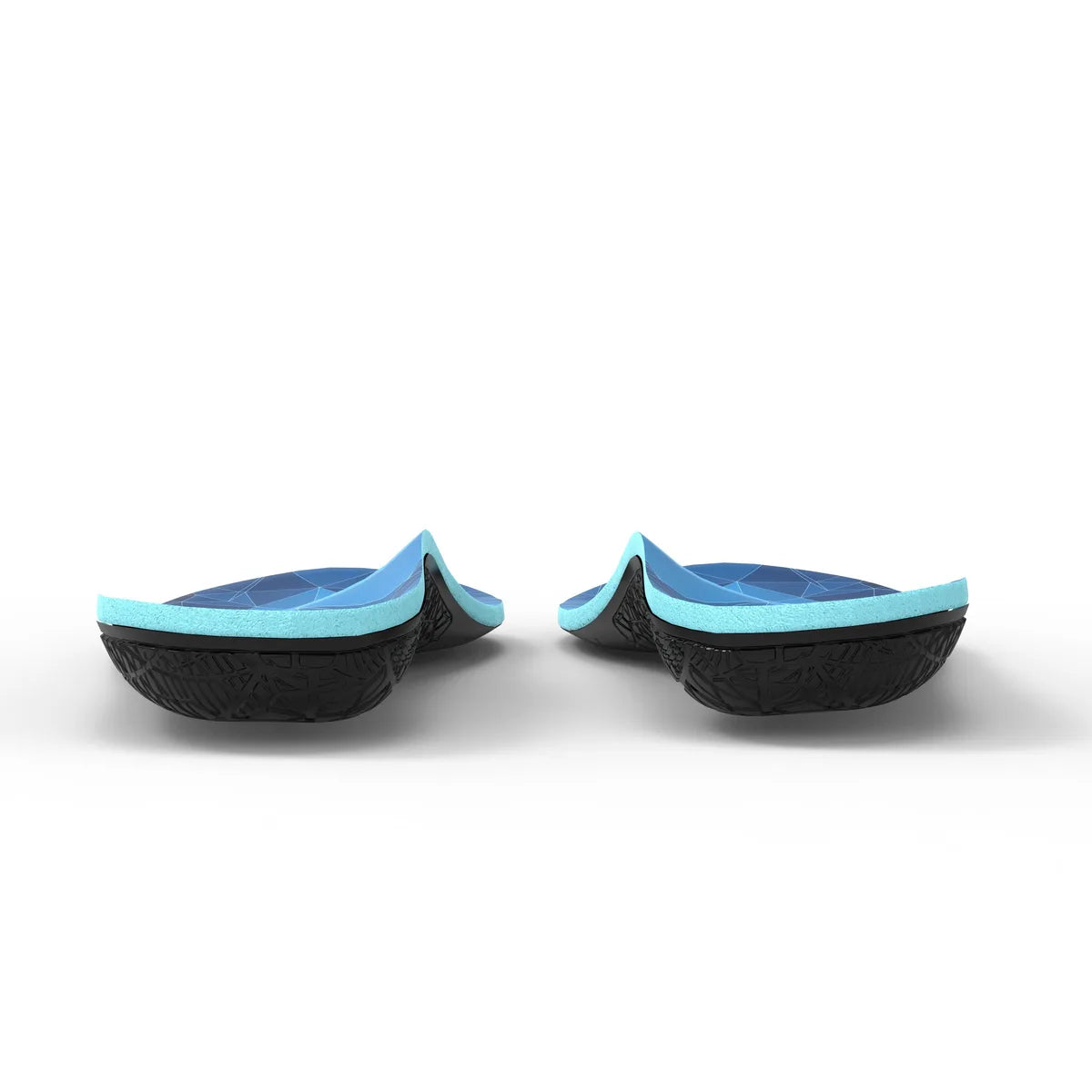
Cushioning works above a shaped frame that supports the arch and cradles the heel. With the insole installed, stand naturally and notice where that contour meets your foot. Support should feel comfortably located; a hard ridge pressing into the wrong spot is a fit issue to address.
The different PerseveranX feels do not represent different corrective wedges. We do not select a model to promise a change in supination or to replace a prescribed device. Our material and support choices are designed around the experience beneath your foot.
Finish the fitting inside the shoe
- Remove the original liner if it is designed to come out. Compare its outline with the replacement.
- Follow the size and trimming guide, keeping the heel and support frame intact.
- Use your usual socks and check both shoes. The insert should sit flat, with space left for your toes and a securely seated heel.
- Walk briefly in a familiar setting. Stop and reassess sharp pressure, worsening discomfort or an unstable feeling.
The feel finder can help you choose between cushioning responses. It keeps the choice focused on comfort preference while leaving clinical correction to an individual assessment.