
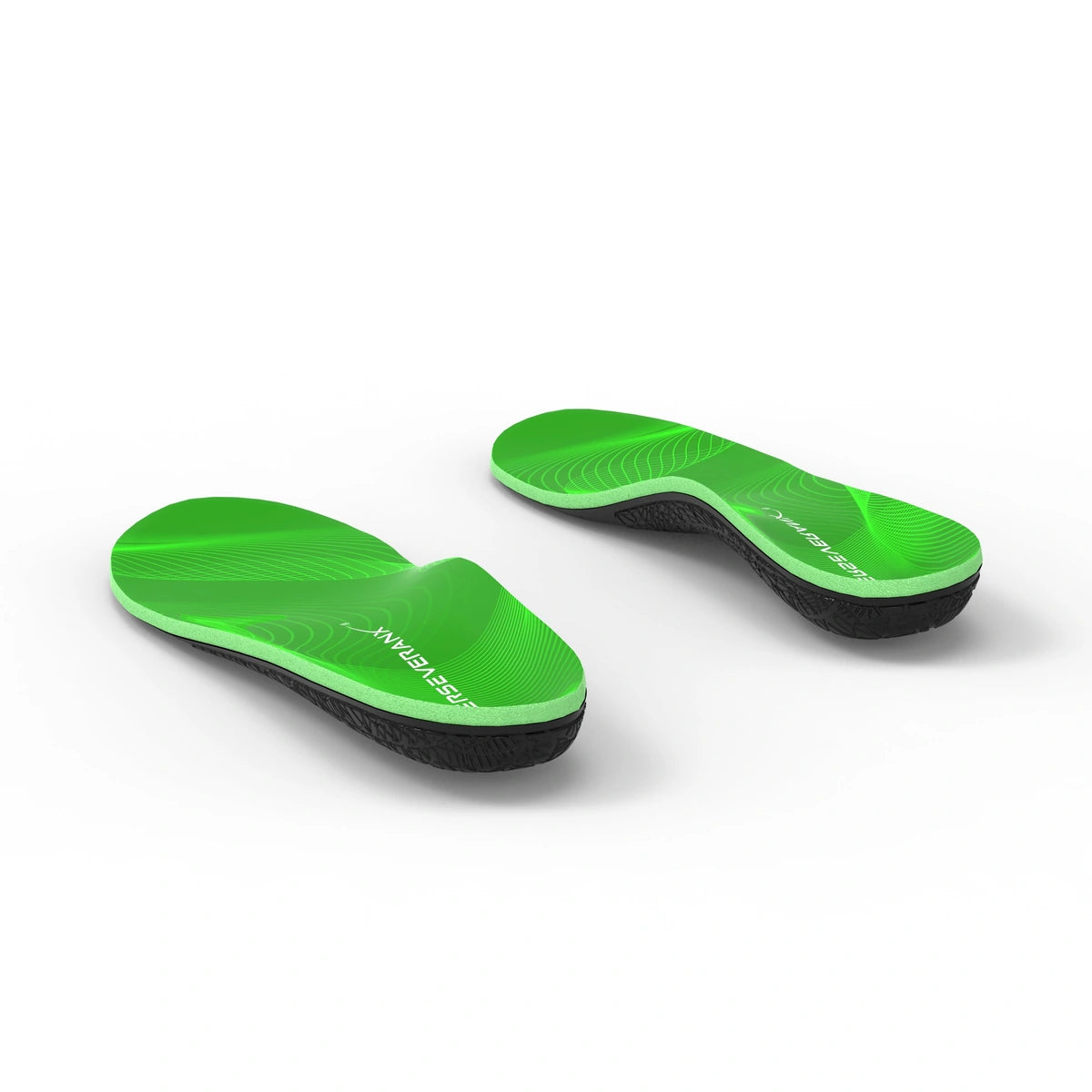
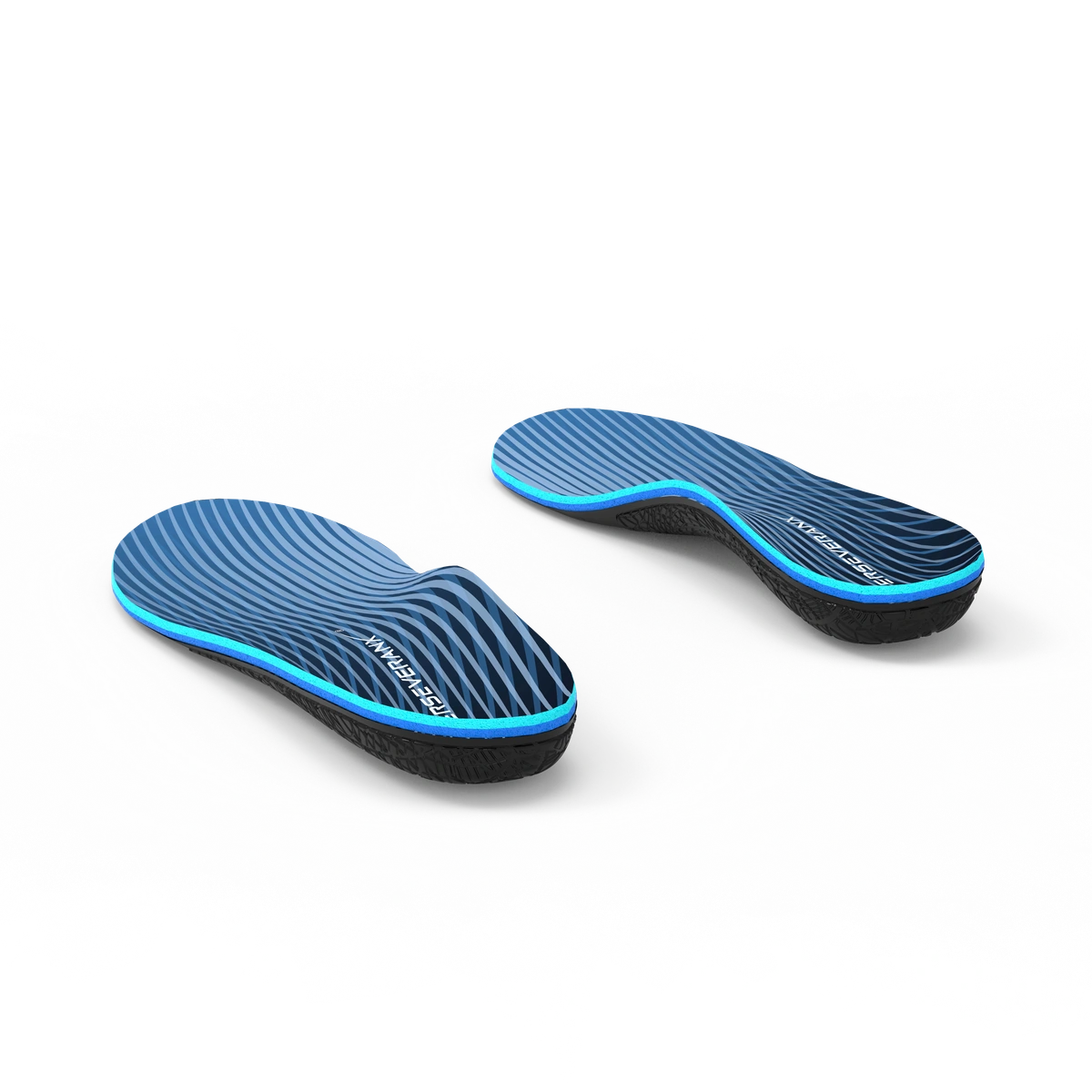
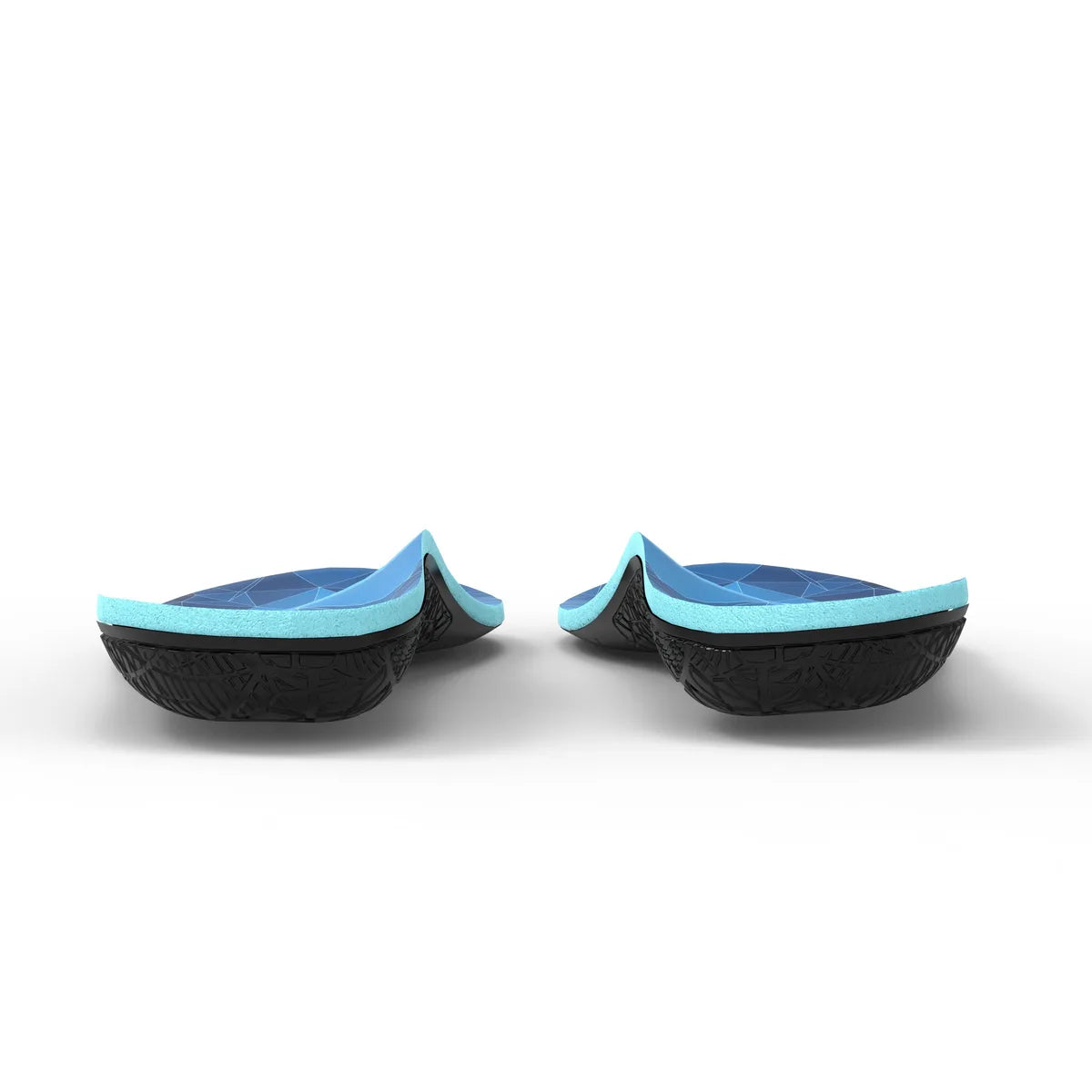

Embrace
Soft and contouring
You prefer cushioning that gives gently underfoot, with less spring.
$59.95per pair
View sizesPair savings
Mix models, sizes and colors.
Applied automatically in cart. No code needed.
Your total number of pairs sets your saving: 15% for 2 pairs, 17.5% for 3, or 20% for 4 or more. Cannot be combined with other discounts.
International shipping calculated at checkout. Taxes calculated at checkout.
The insole collection
Put cushioning and shaped support inside the boots you rely on. Start with the feel you want, then make sure your boot has room for it.
Size & shoe fitHigh-arch support needs a comfortable fit. For safety footwear, follow the boot maker's and employer's requirements for replacement inserts.
Soft and contouring
You prefer cushioning that gives gently underfoot, with less spring.
$59.95per pair
View sizes
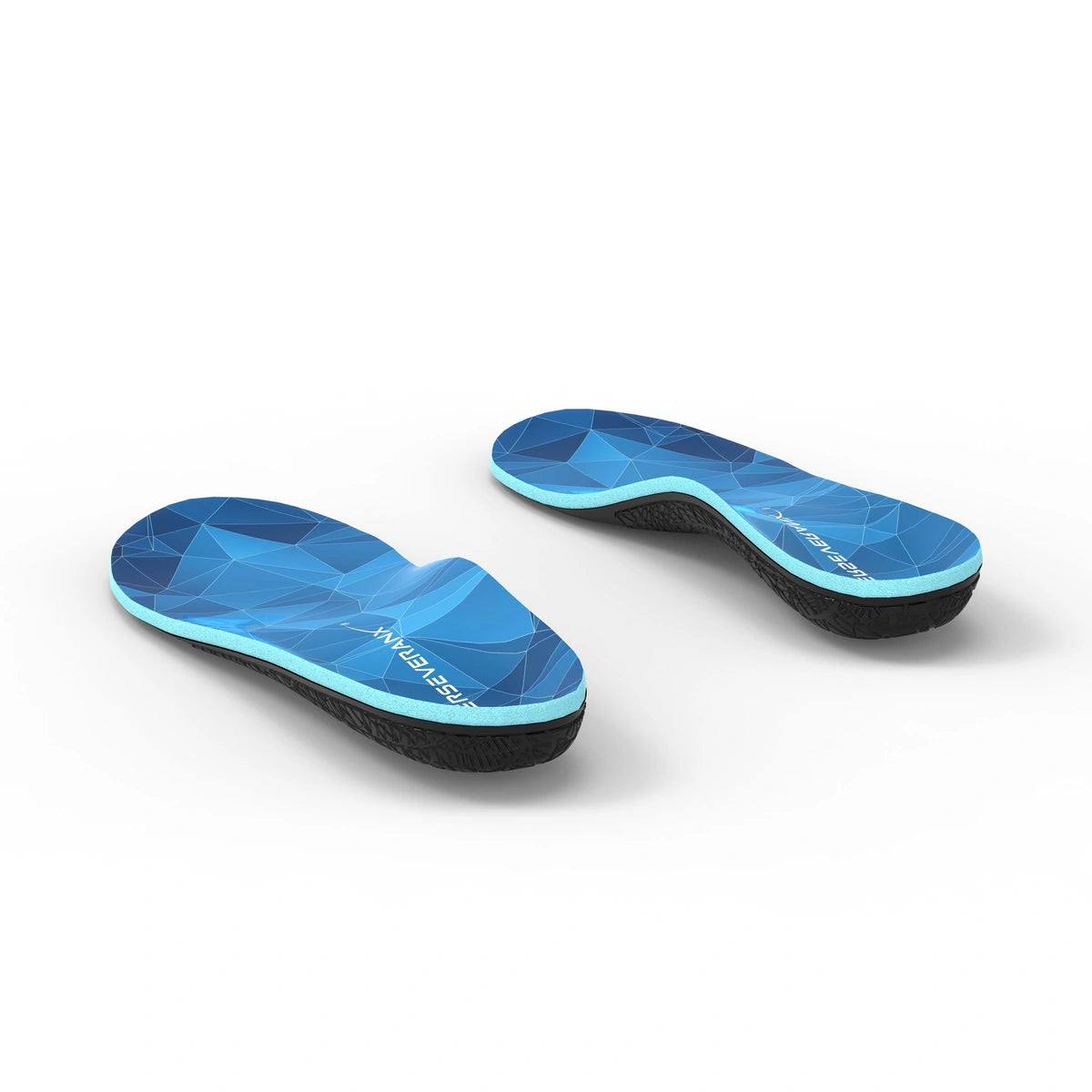
Firmer cushioning. Low bounce.
You prefer a more substantial cushion, with less sink than Embrace.
$69.95per pair
Sold out
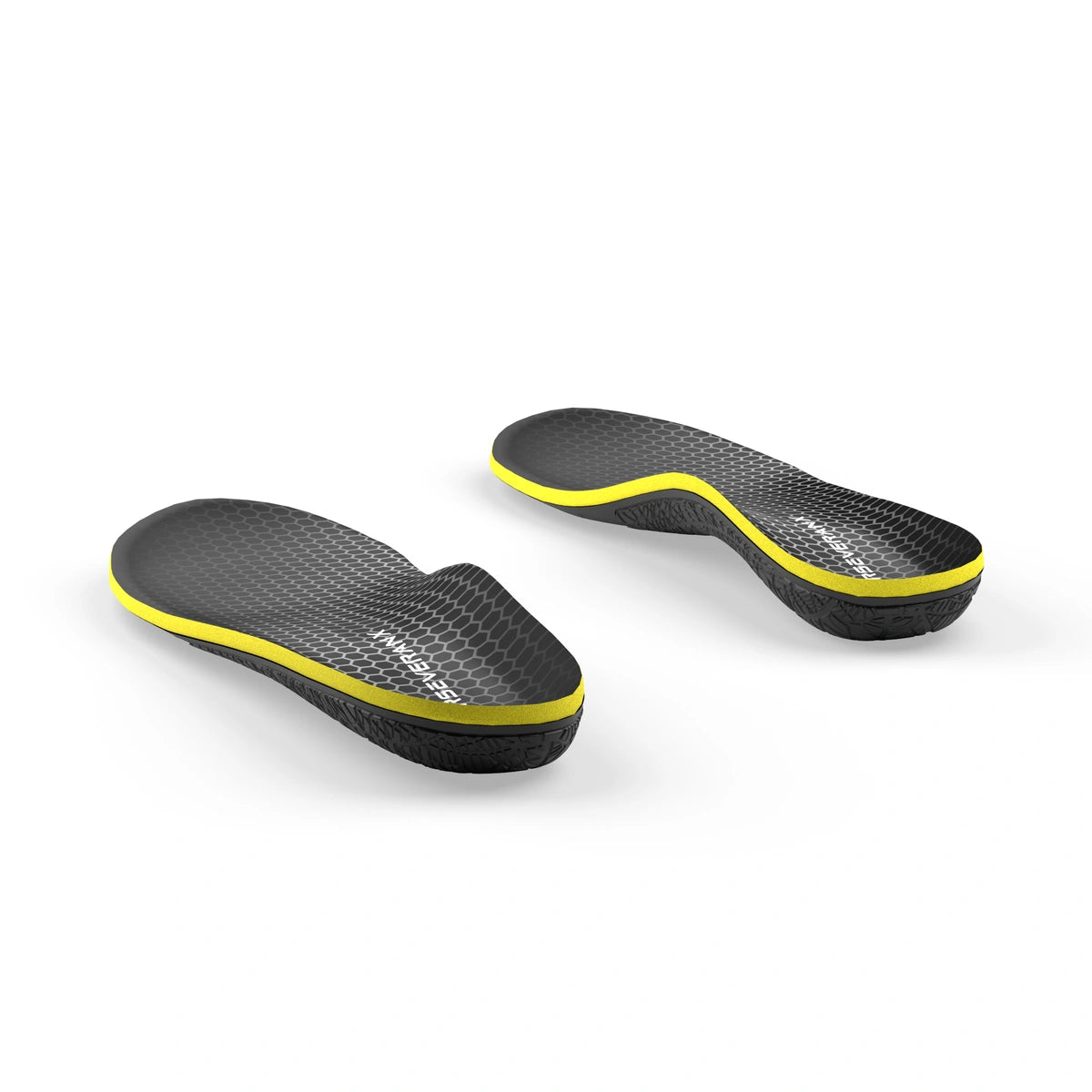
Impact-responsive
You want impact-responsive cushioning alongside structured arch support.
$59.95per pair
View sizesA work boot needs to fit with the socks and insert you actually use. Changing its liner can change the space around your toes, the way your heel sits and where support meets your arch. Choose cushioning by preference, then check those details before wearing the combination through a full shift.
The PerseveranX models below pair cushioning with a shaped foundation for arch support and heel cradling. They use a high-arch profile. A work-boot label does not make an insole suitable for every foot or every boot, so comfortable arch contact and available shoe space come before choosing a softer or firmer feel.
For safety footwear, follow the boot manufacturer's and your employer's requirements for replacement inserts. Do not assume an aftermarket insole preserves every protective property or certification of the original footwear. If replacement is restricted, check before changing the liner.
For a mostly standing routine, our standing-day selection helps compare the same cushioning preferences in more detail. If arch placement is your main question, see the high-arch selection. Read the work-boot buying guide for a fuller walkthrough, then choose your size and check current availability on the product page.