
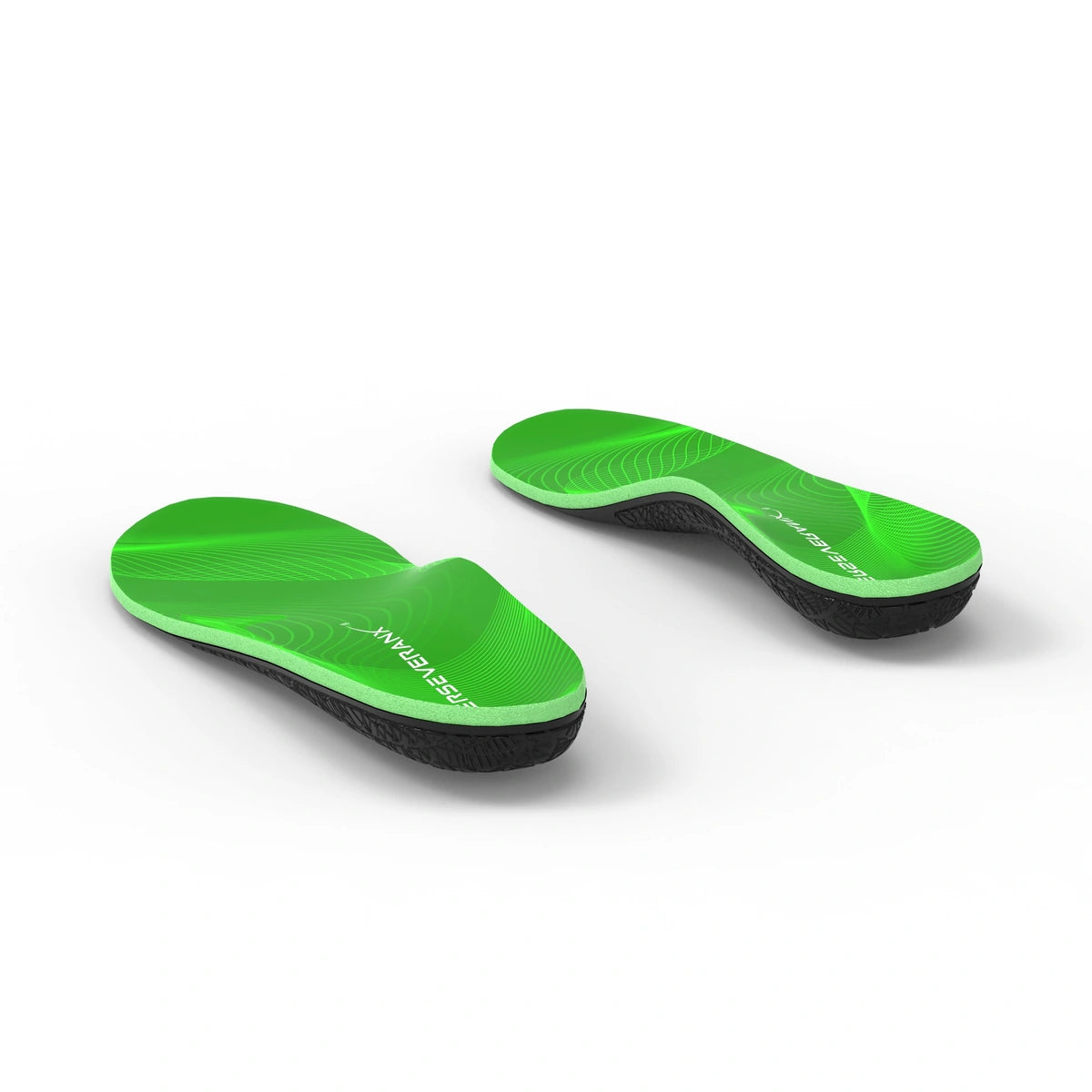
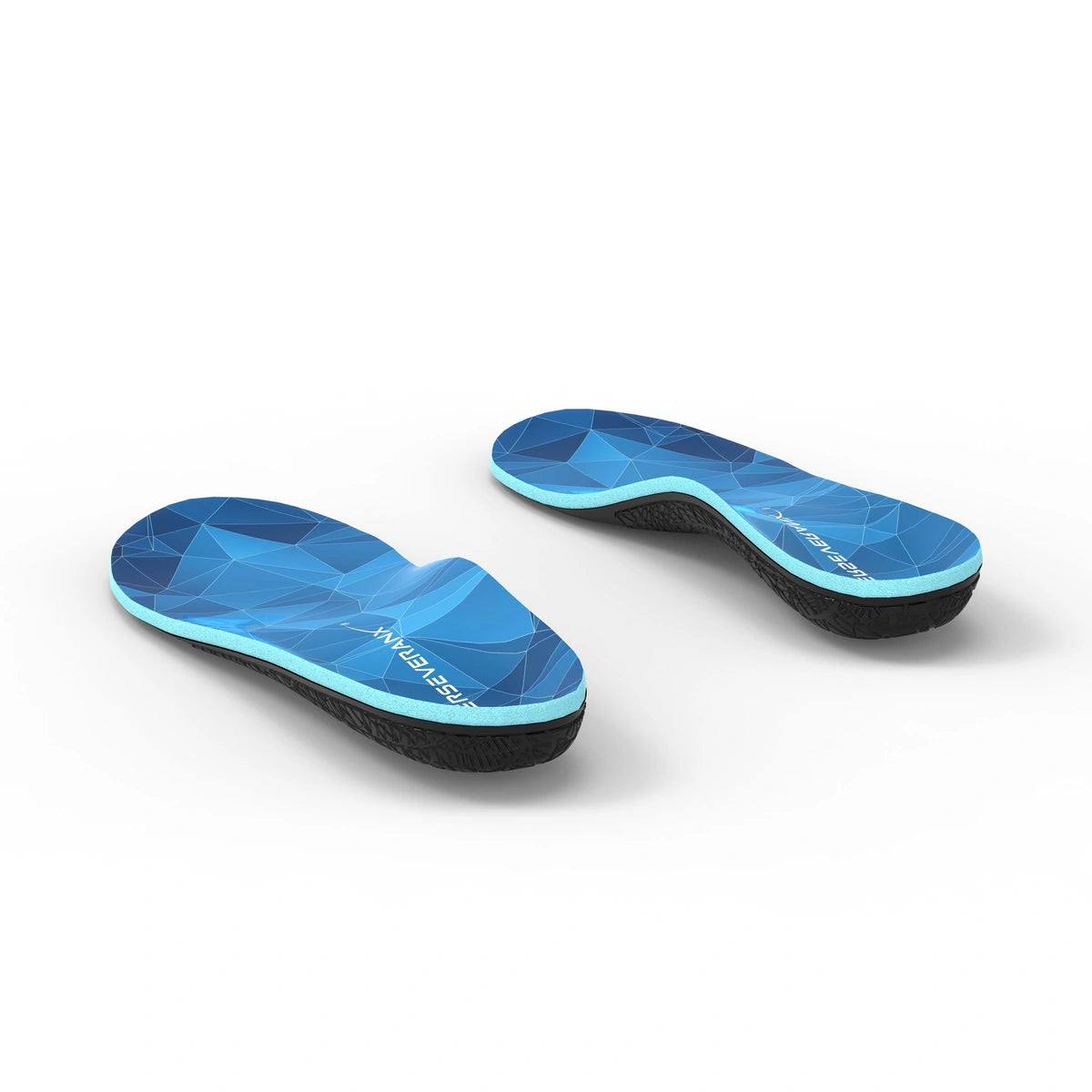
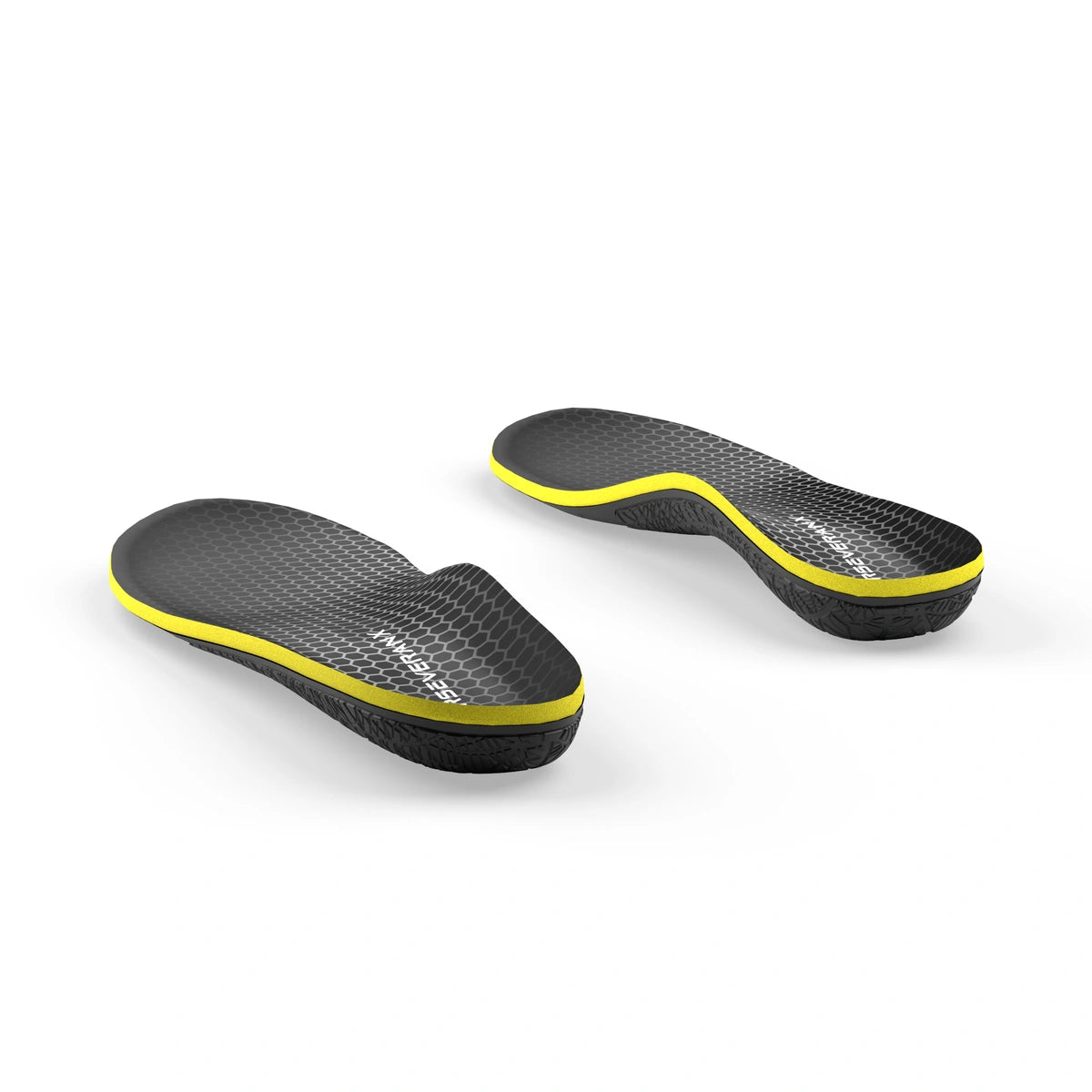
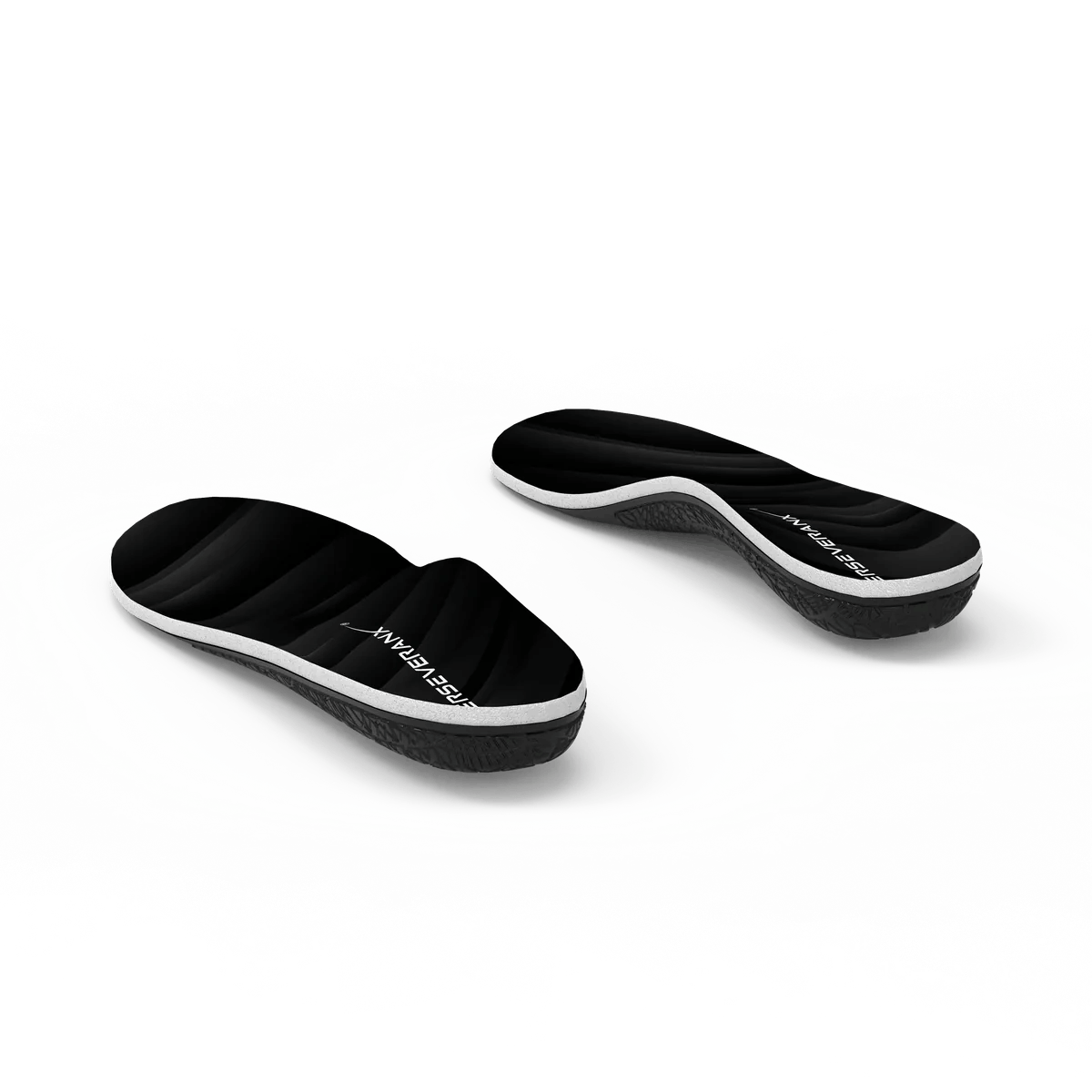
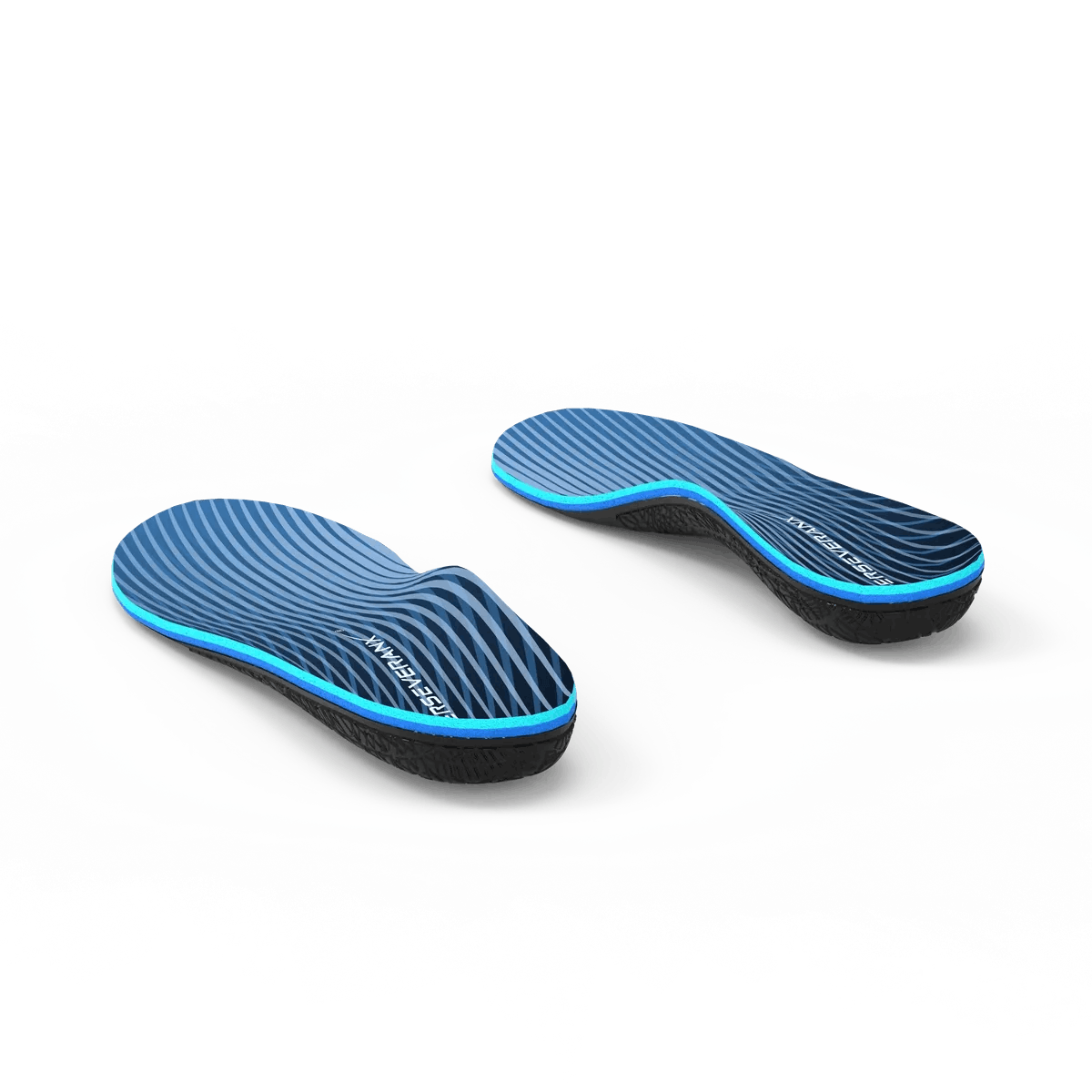

Bouncy
Responsive and springy
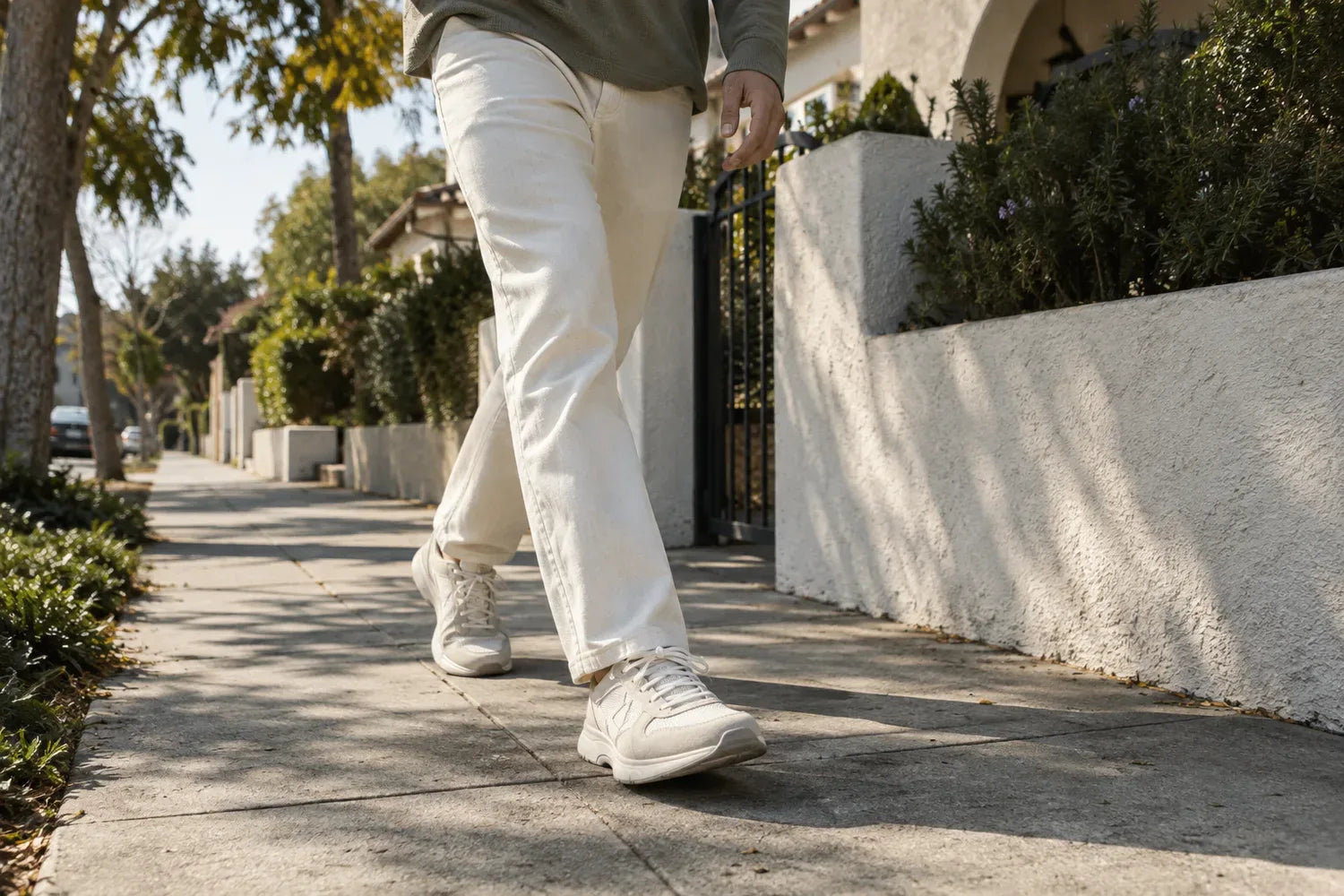
You like a springier response when walking, running or staying active.
$59.95per pair
View sizesPair savings
Mix models, sizes and colors.
Applied automatically in cart. No code needed.
Your total number of pairs sets your saving: 15% for 2 pairs, 17.5% for 3, or 20% for 4 or more. Cannot be combined with other discounts.
International shipping calculated at checkout. Taxes calculated at checkout.
The insole collection
Five cushioning feels, each over shaped high-arch support. Start with the feel you enjoy, then check the fit in your shoes.
Size & shoe fitEach model shares the same high-arch foundation.
Responsive and springy
You like a springier response when walking, running or staying active.
$59.95per pair
View sizes
Impact-responsive
You want impact-responsive cushioning alongside structured arch support.
$59.95per pair
View sizesWhen shopping for insoles with supination in mind, focus on comfortable cushioning, secure heel seating and a support shape that works with your foot. Shoe wear alone does not establish your movement pattern, and choosing an insert should not depend on an outside-edge mark.
For running and training, Bouncy brings a pronounced spring underfoot. For soft everyday contact with spring-back, compare Plush. These choices describe cushioning response; they are not different levels of correction for outward rolling.
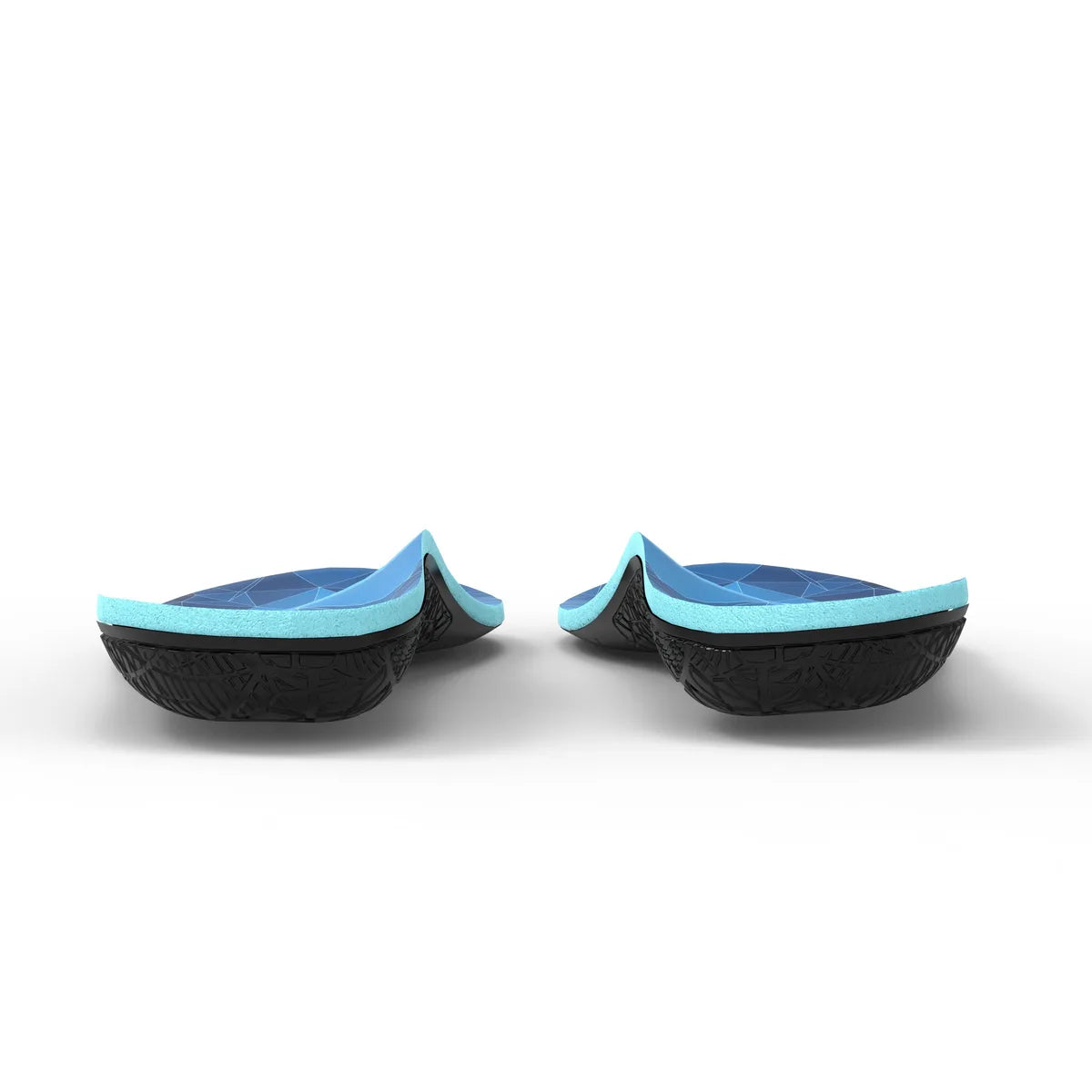
Every PerseveranX model places open-cell PU cushioning above a contoured comfort base and a firm arch-and-heel frame. The material softens contact while the frame provides a shaped foundation. Our materials are selected for recovery after pressure and resistance to lasting flattening, helping maintain the cushioning you chose through repeated wear.
Use the size guide to compare the original removable liner with the replacement. With both shoes on, check arch contact, heel hold and toe room. Start with a shorter wear period and pay attention to pressure or rubbing.
Read our supination insole guide for the questions worth asking before buying. If you have persistent pain or repeated ankle instability, get individual advice about your footwear and support needs.