
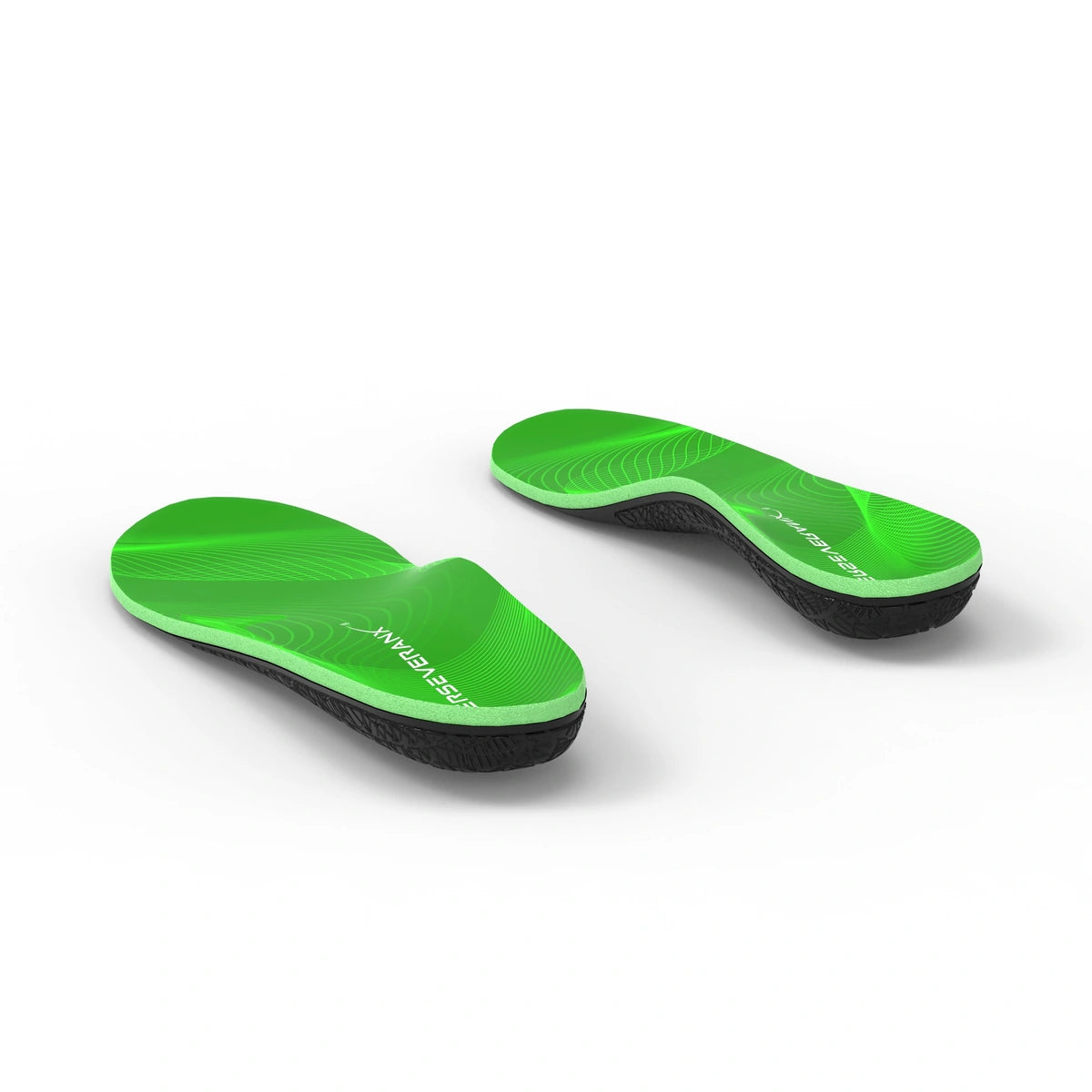
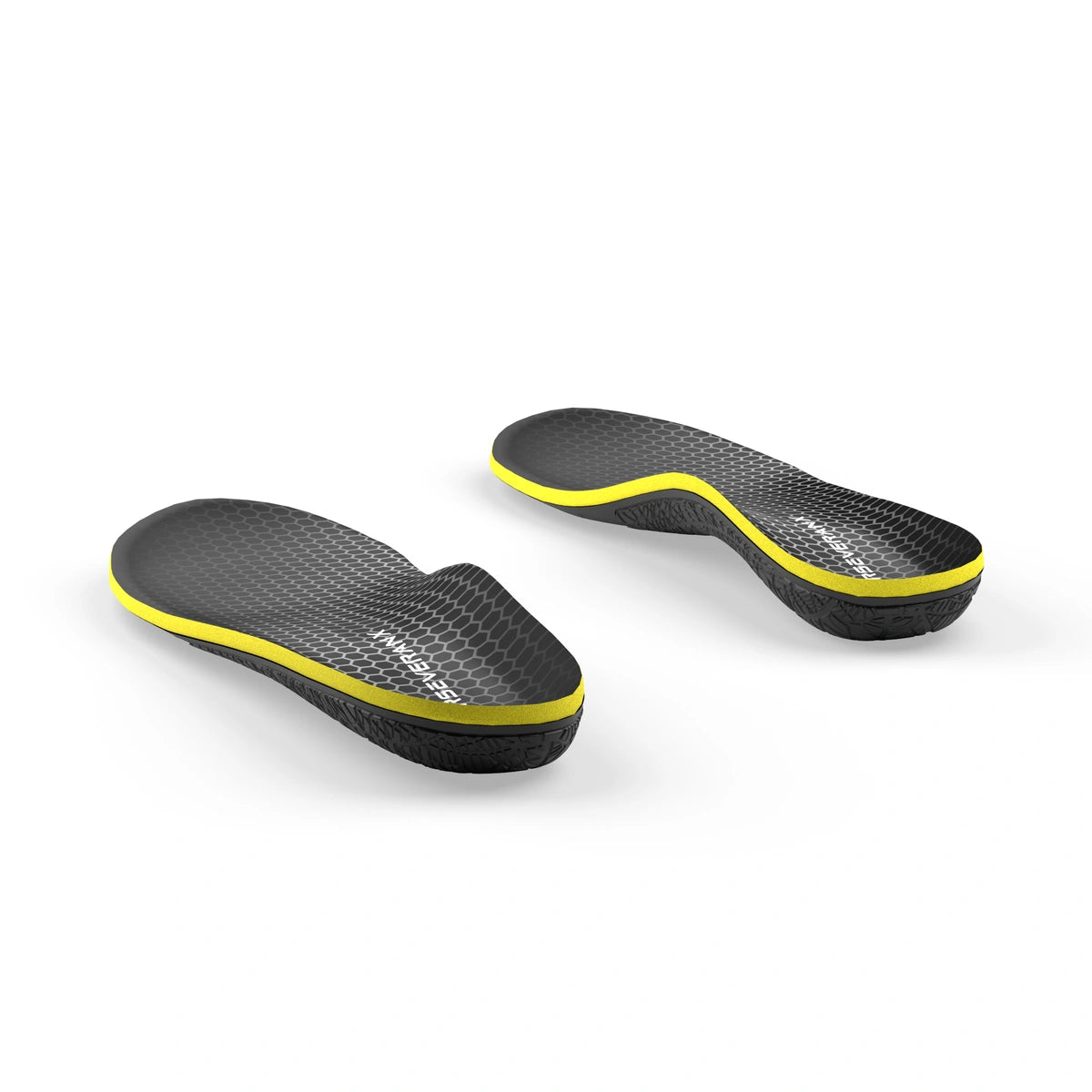
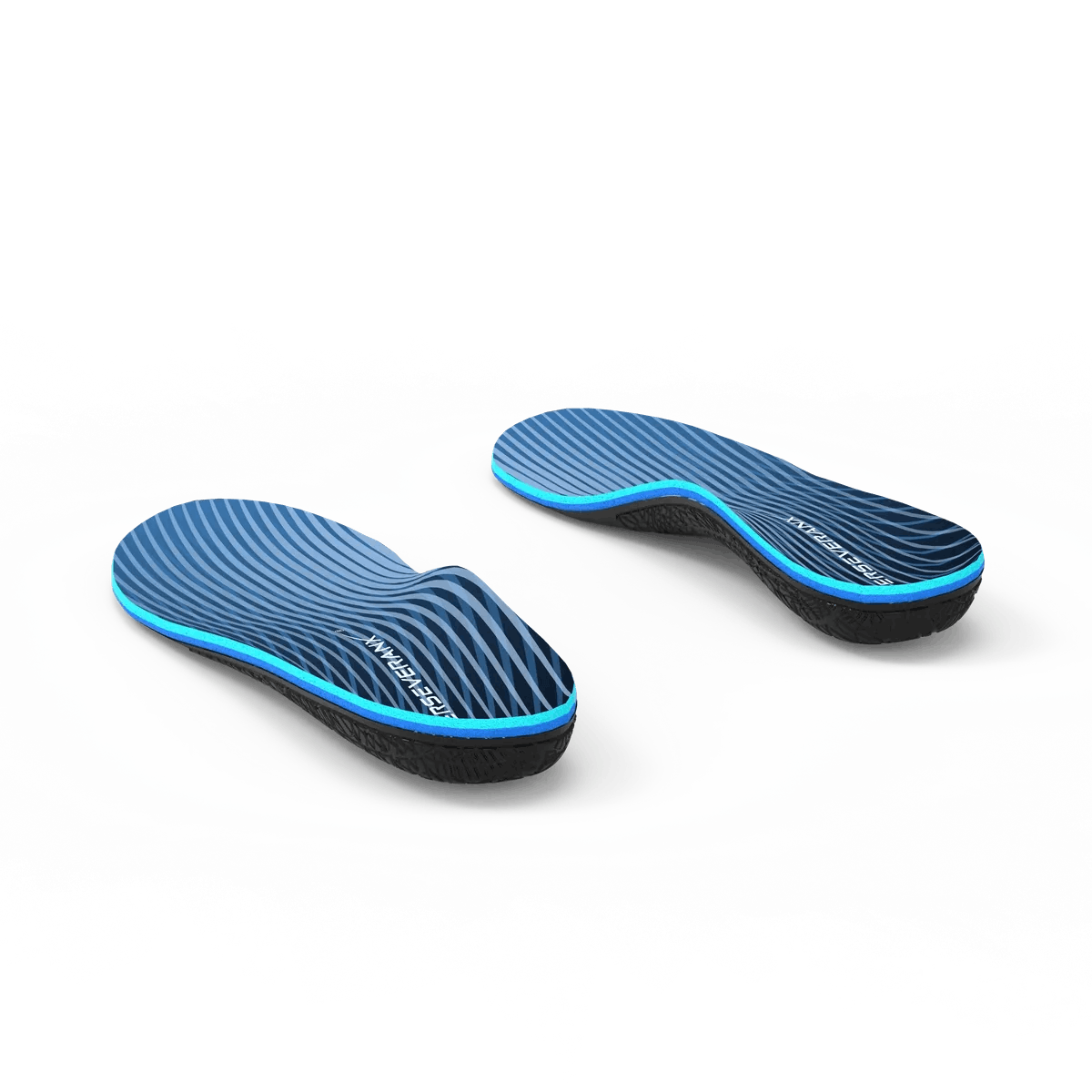
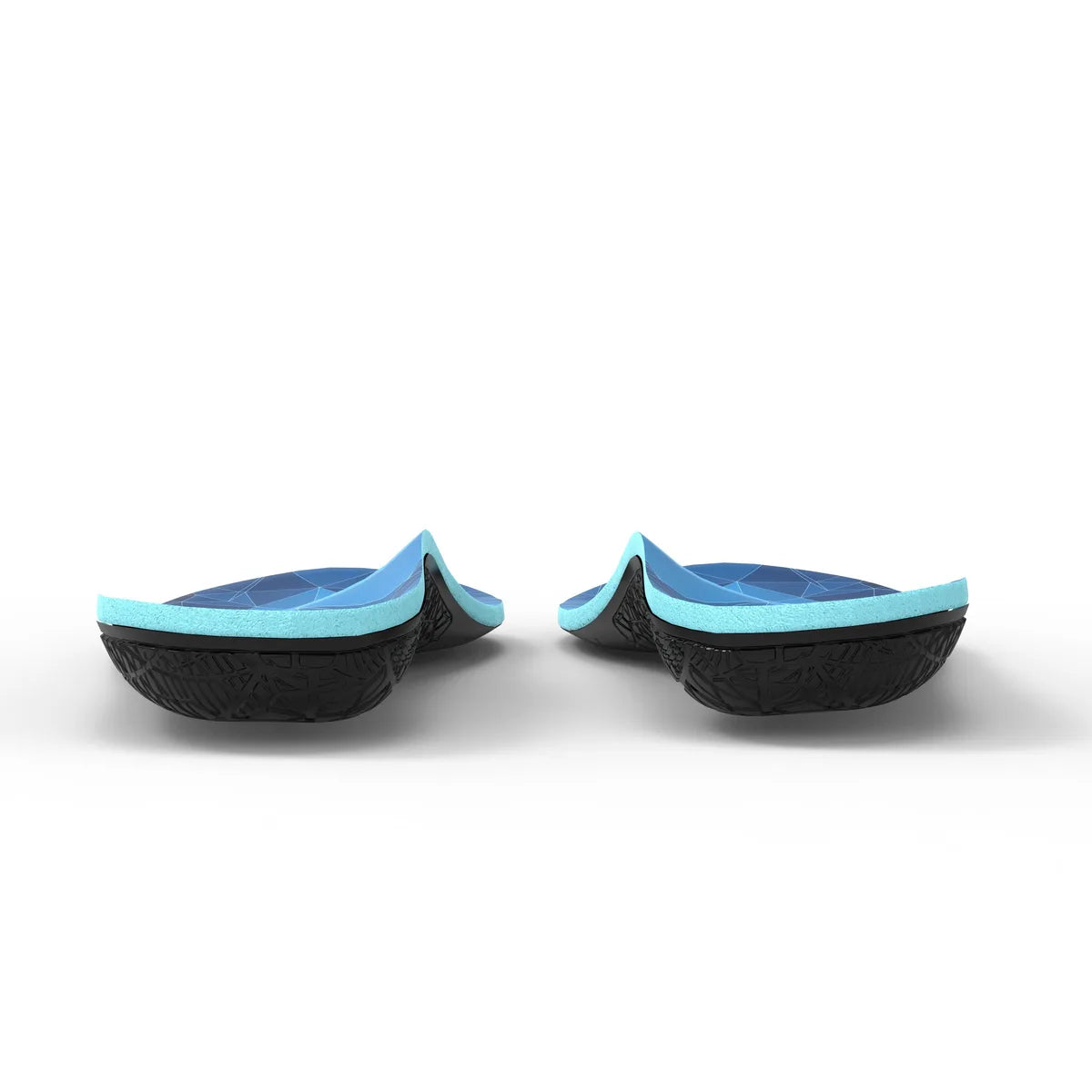
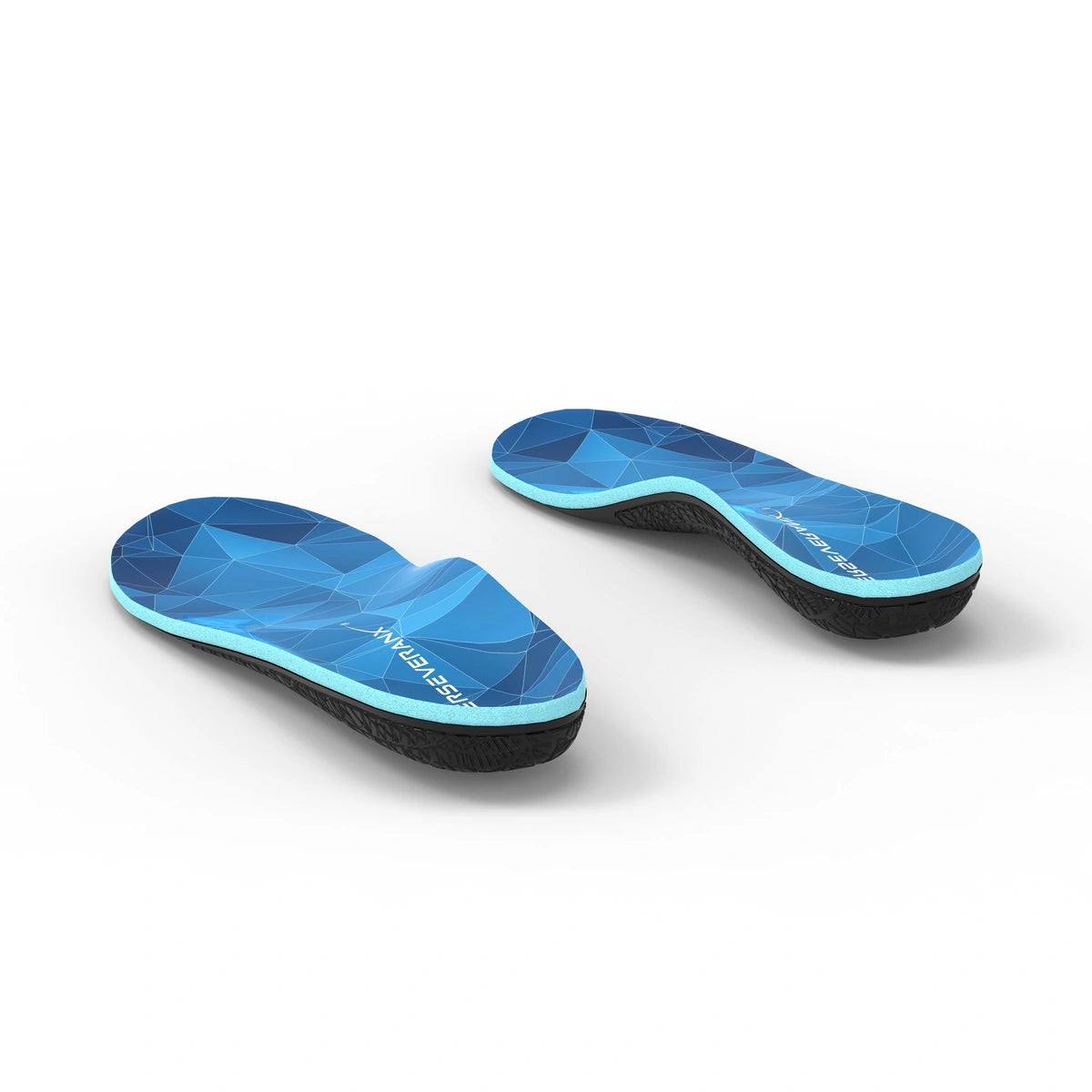
Soft contact · Low bounce
Embrace
Choose gentle contouring with less spring. A softly yielding cushion above shaped support.
Embrace · $59.95 USDper pair
In stock · Check available sizes
Shop EmbracePair savings
Mix models, sizes and colors.
Applied automatically in cart. No code needed.
Your total number of pairs sets your saving: 15% for 2 pairs, 17.5% for 3, or 20% for 4 or more. Cannot be combined with other discounts.
International shipping calculated at checkout. Taxes calculated at checkout.
Achilles discomfort · Footwear guide
Check shoe-collar contact and heel hold before choosing a new cushion. Embrace offers gently contouring comfort when the high-arch shape fits your foot.
Embrace · $59.95 USD / pair
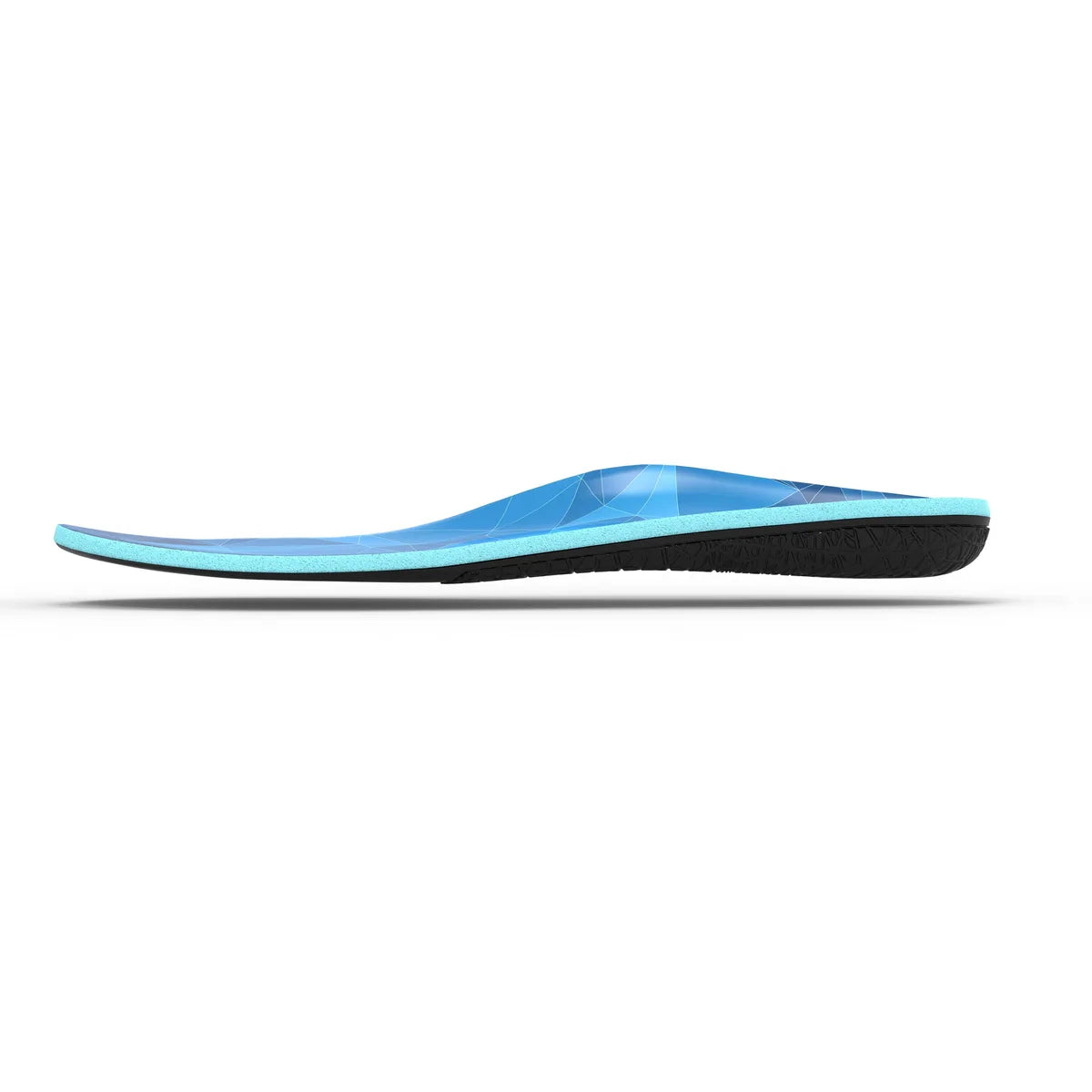
Choose by feel after checking the high-arch shape in your shoes. Current availability is shown below.
Soft contact · Low bounce
Choose gentle contouring with less spring. A softly yielding cushion above shaped support.
Embrace · $59.95 USDper pair
In stock · Check available sizes
Shop Embrace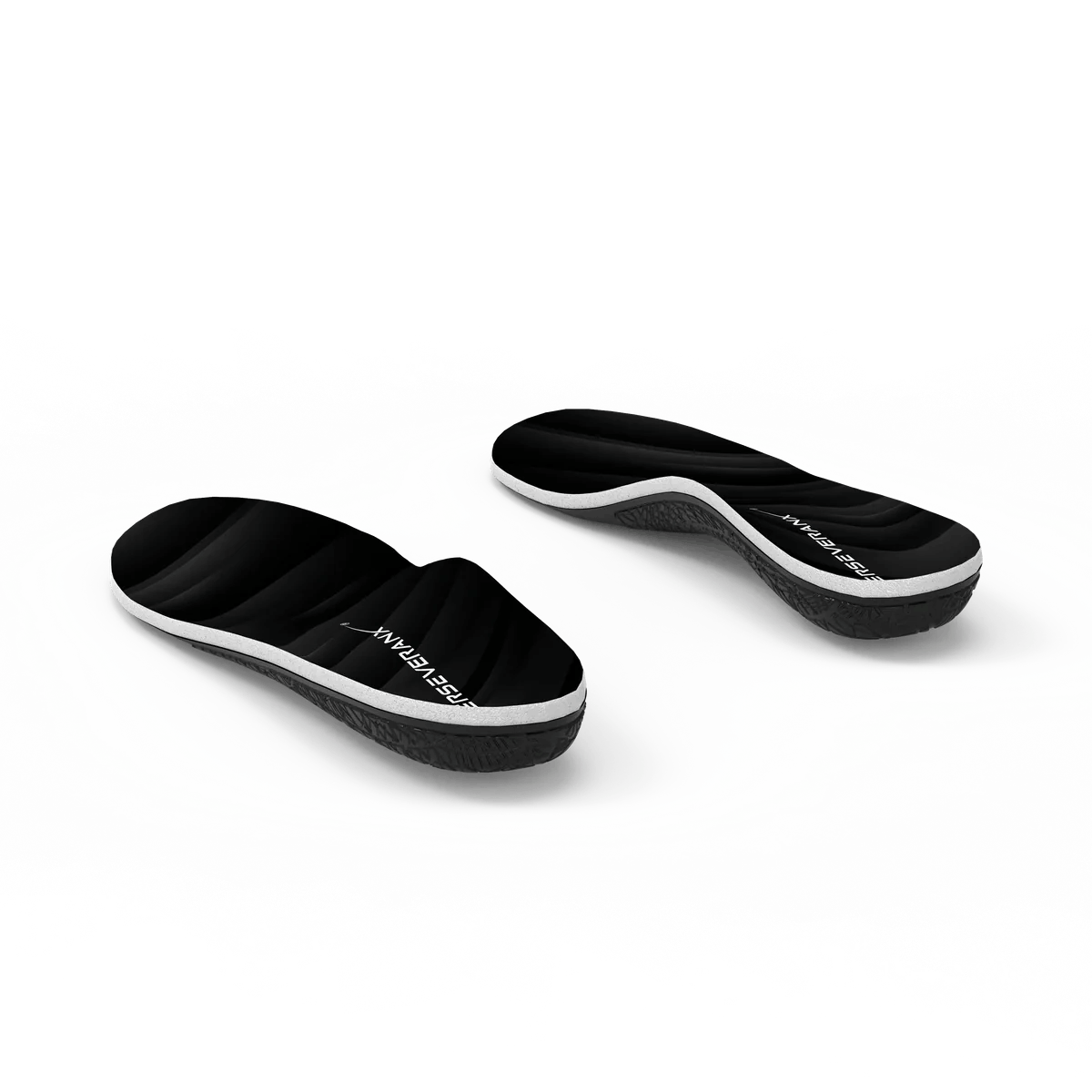
Soft contact · Springy return
Choose soft cushioning with a livelier return. Check the same arch and shoe-fit points before buying.
Plush · $79.95 USDper pair
Backorder · Expected to ship from Nov 1, 2026
Backorder PlushAchilles problems can affect the tendon at its attachment to the heel or farther above it. Suitable footwear and exercise guidance may differ. AAOS describes shoe modification and physical therapy among care options, with heel lifts used in some cases. None of that makes a general cushioning insole an Achilles treatment.
Notice exactly where the back of the shoe meets your heel. Recheck after changing an insert; a higher resting position may move that contact.
Walk a short, comfortable distance in both shoes. Your heel should remain securely seated without slipping up and down.
Use your normal socks. Check toe room and comfortable arch contact, and replace only an original liner designed to be removed.
Check the pair you wear for the difficult part of your day, not only your running shoes. If the shoe itself rubs or feels cramped, adding a softer insert may leave that fit problem unchanged.
Five materials. Different responses.
A short sample demonstration makes the difference in feel easier to see.
Real samples · Original speed. This demonstrates rebound after impact, not long-term wear or treatment outcomes.
Compare all five feelsPerseveranX combines a cushioning layer with a contoured comfort base and a shaped support frame. That construction is designed for underfoot feel, arch support and heel cradling. We do not specify it as a therapeutic heel lift, a tendon rehabilitation device or a replacement for a prescribed orthotic.
If your care plan requires a particular lift or device, follow that fitting advice before changing inserts. Do not combine layers in an attempt to reproduce a prescribed height.
Embrace is a starting point if you prefer gentle contouring and low bounce. Its cushioning softens contact beneath the heel and forefoot, while the foundation provides defined high-arch support. Choose it when that shape is comfortable and your shoe has enough room.
For a more substantial, low-bounce sensation, compare Fusion’s feel. Fusion is currently unavailable, with no confirmed restock date; its product page offers size-specific notification. Embrace feels softer and is not an identical substitute. Neither model is recommended here as tendon treatment.
A sudden pop near the calf or heel, especially with difficulty walking or pushing off after injury, needs prompt medical assessment. For ongoing discomfort, bring the shoes you wear and describe the tasks that aggravate it. Follow individualized exercise advice rather than adopting a heel-drop routine from a shopping page.
AAOS — Achilles Tendon Rupture (Tear) · AAOS — Achilles Tendinitis
That is not an outcome established for these products. Cushioning feel and tendon loading are different questions; ask your clinician about the footwear requirements of your care plan.
No. Our current five models use a high-arch support concept. If the contour creates concentrated pressure or changes the shoe fit uncomfortably, choose a different shape.
The quiz compares cushioning preferences. It does not diagnose heel pain, assess an injury or prescribe an orthotic.
Embrace has a softly contouring, low-bounce feel. Plush combines soft cushioning with a springier return. Both use a high-arch shape, so check comfortable arch contact and shoe space before choosing by feel.
If the original liner is designed to come out, replace it instead of stacking. Check the new pair with your usual socks, paying attention to toe room and heel position. Do not force out a glued-in liner.
Yes. You have 60 days from delivery to try the pair, even if worn or trimmed. We provide a prepaid return label. Each separately delivered pair has its own window. See our return policy.
A concentrated lump or painful pressure is not a sign of better support. Stop using a fit that increases discomfort. Our current models share a high-arch profile; changing the cushion does not make the arch lower.
Give comfort time.
Try your pair for 60 days from delivery—even if worn or trimmed. We provide a prepaid return label. For separate shipments, each pair has its own 60-day window.