
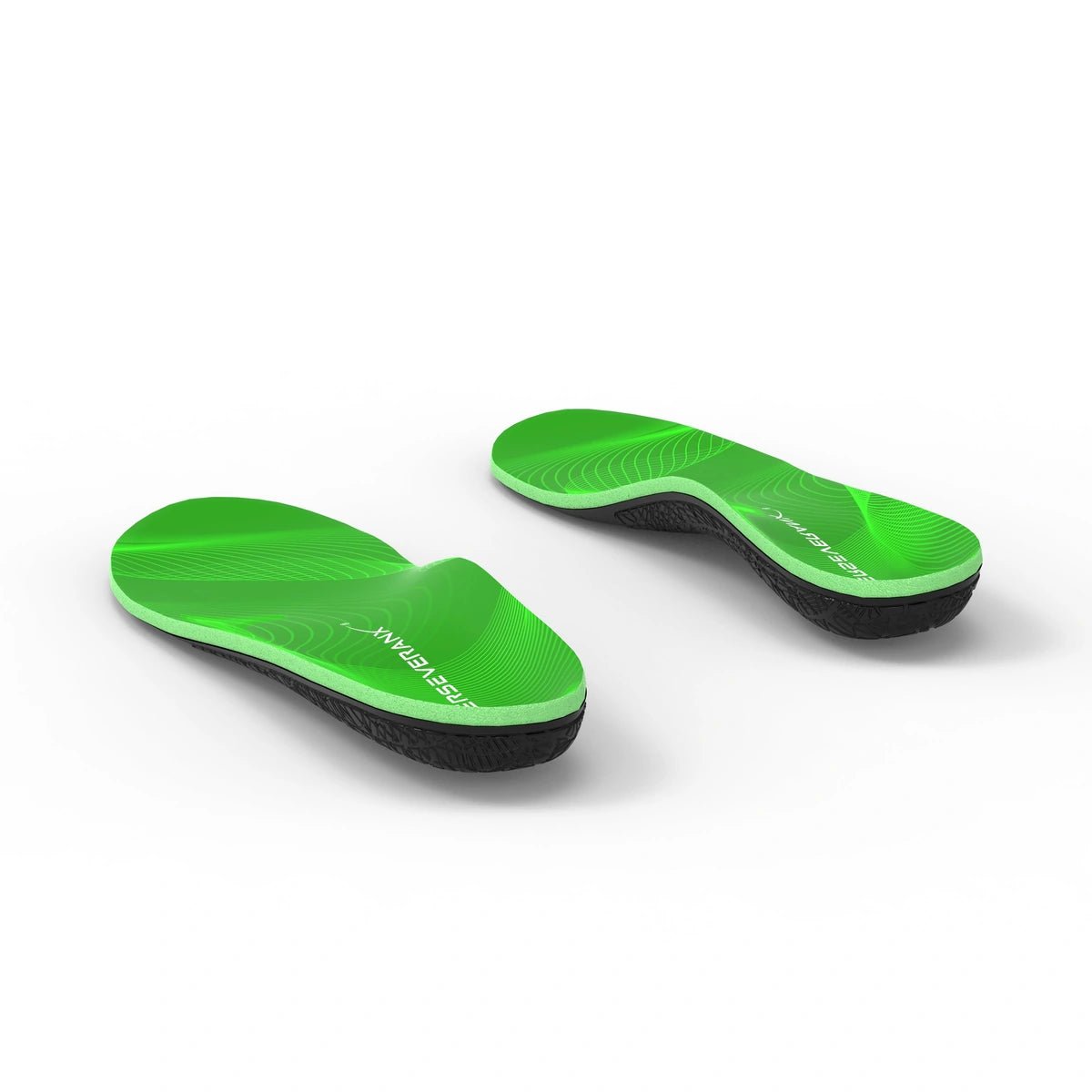
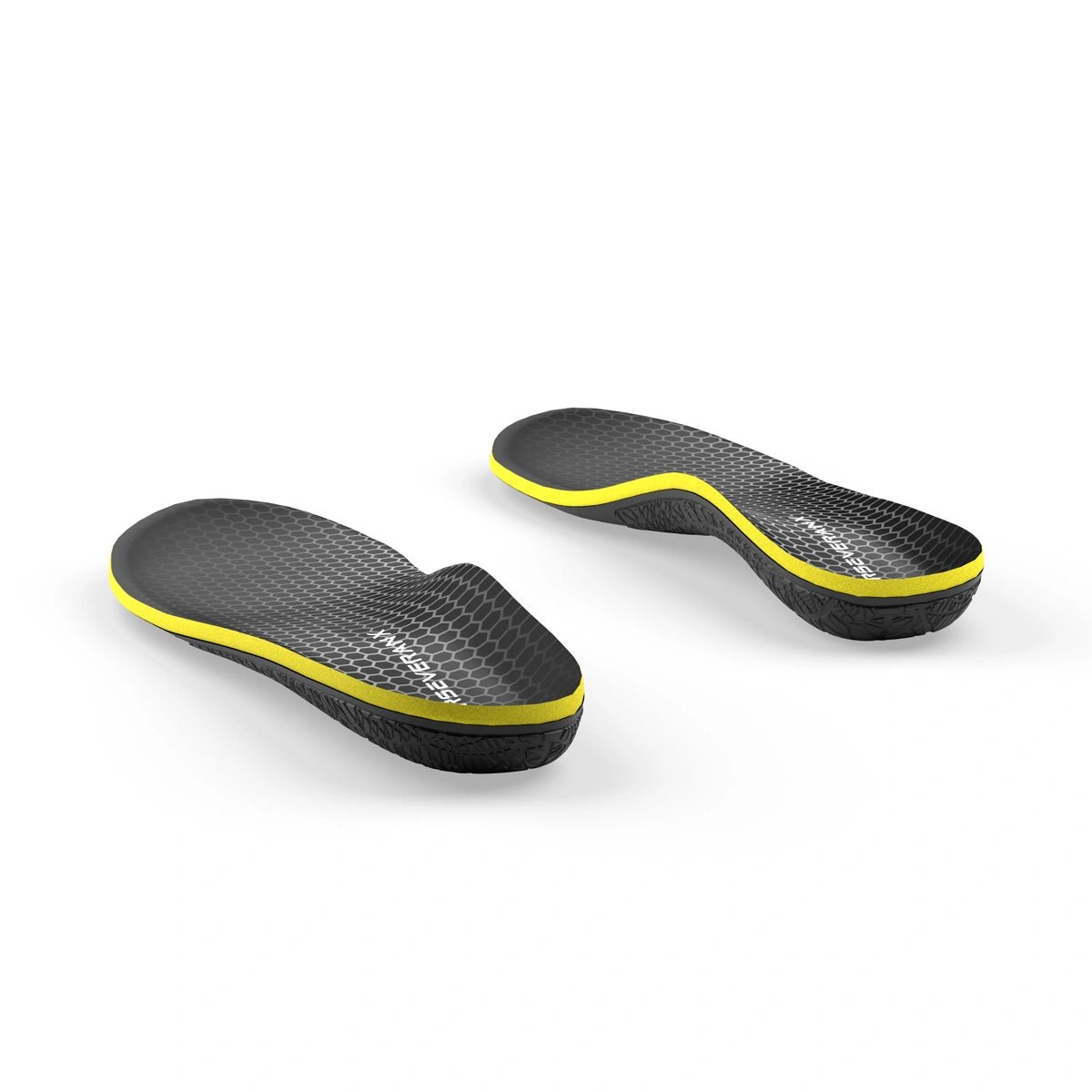
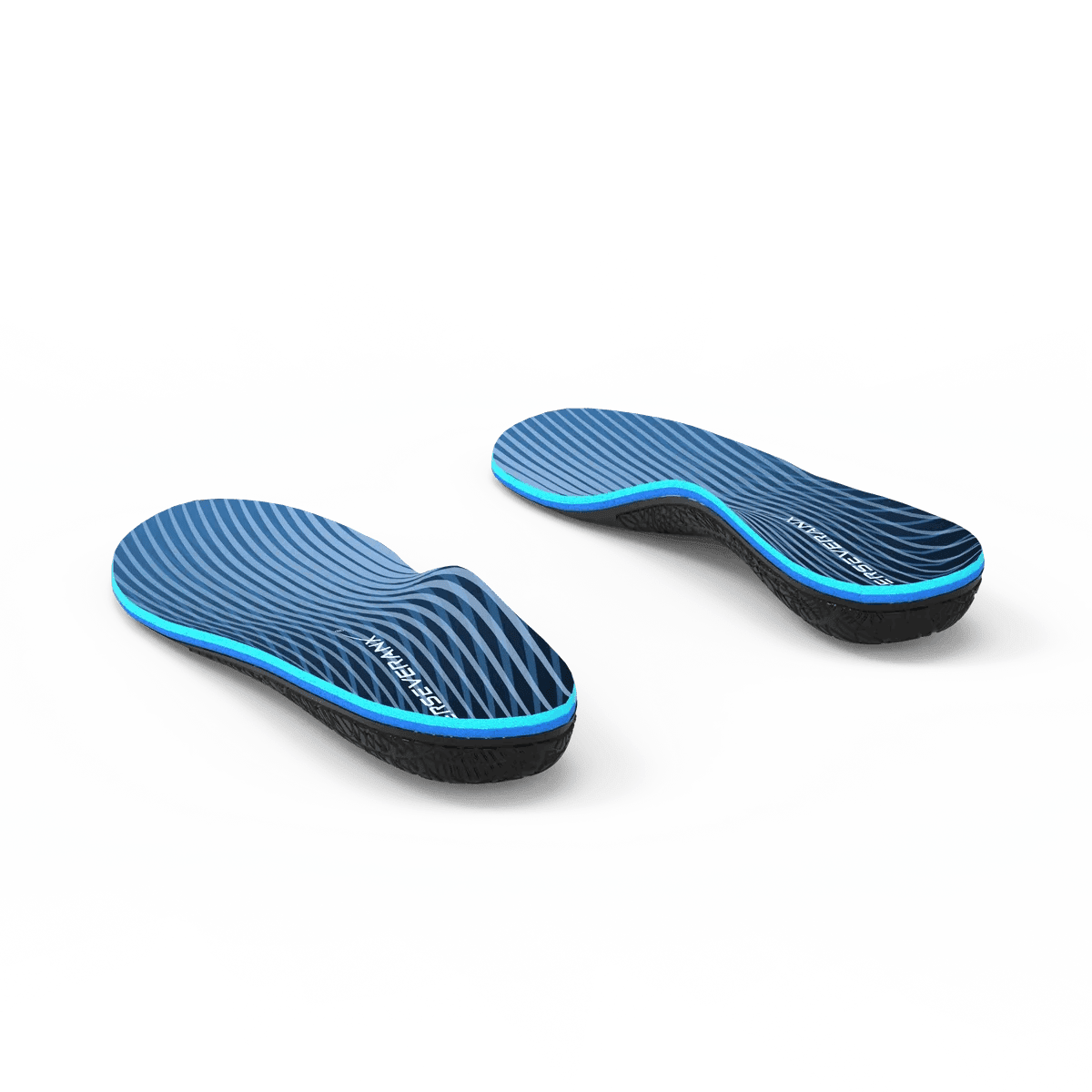
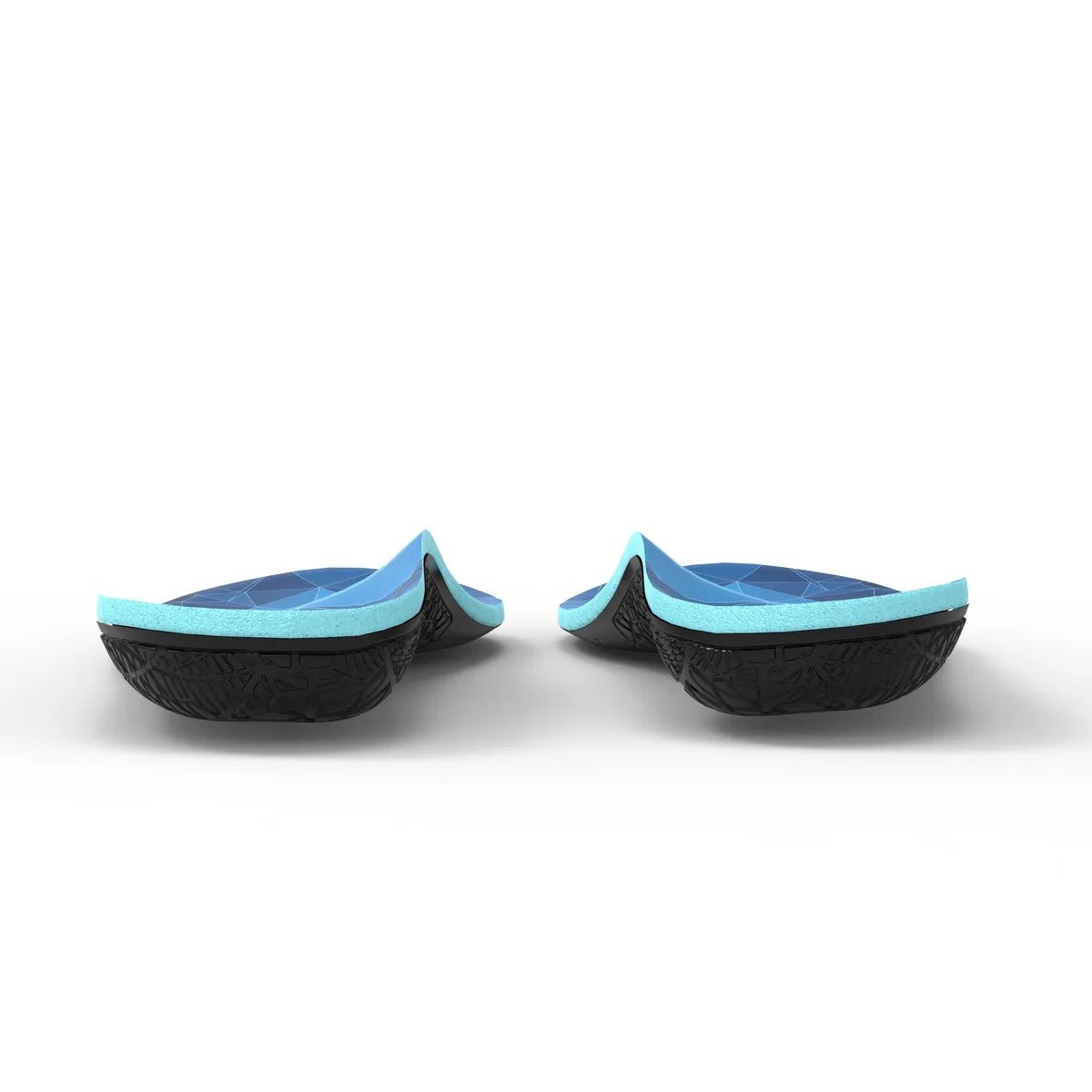
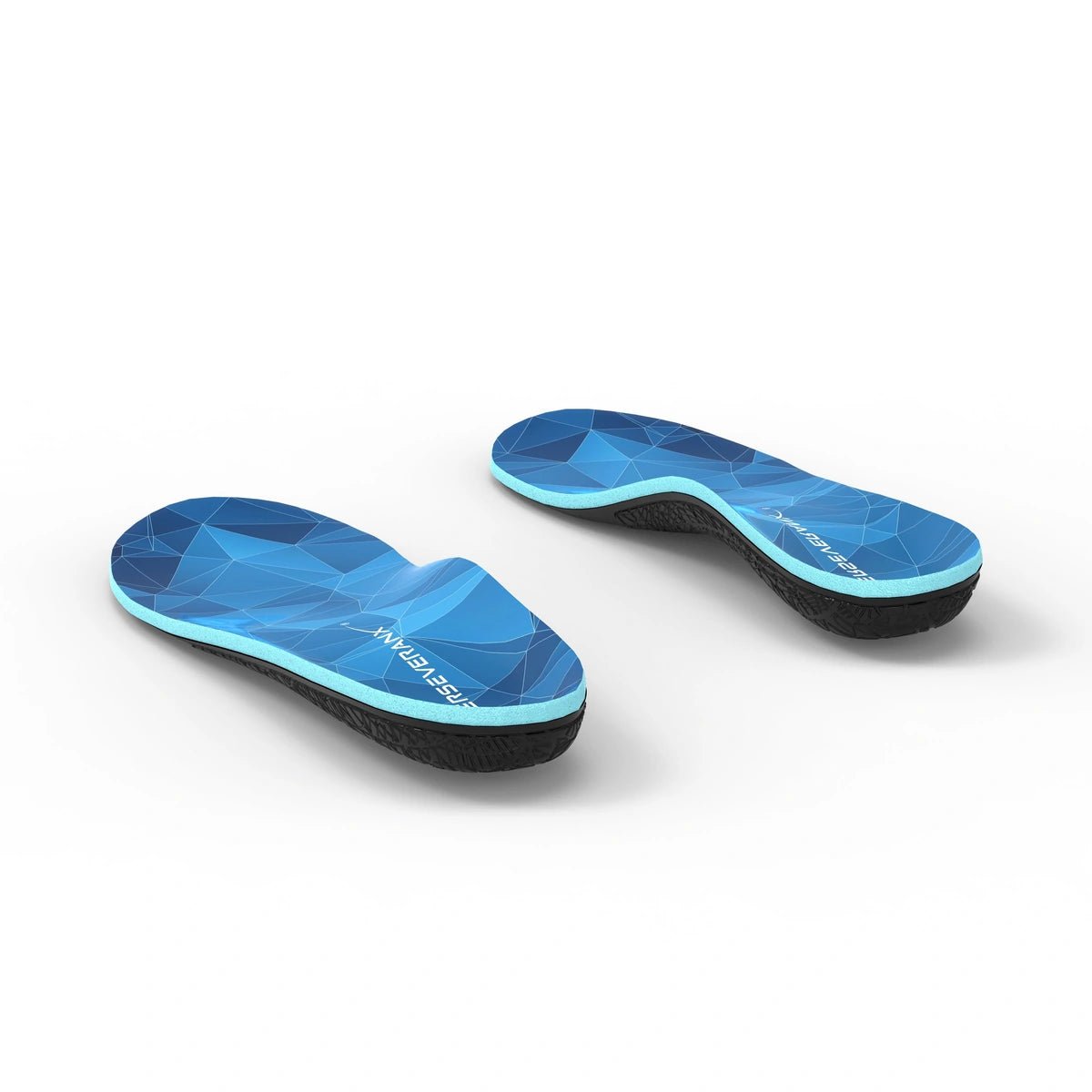
Start with Embrace
Softly contouring. Low bounce.
A gently yielding surface for standing and short walks, without a pronounced spring.
Embrace · $59.95 USDper pair
In stock · Check available sizes
Shop EmbracePair savings
Mix models, sizes and colors.
Applied automatically in cart. No code needed.
Your total number of pairs sets your saving: 15% for 2 pairs, 17.5% for 3, or 20% for 4 or more. Cannot be combined with other discounts.
International shipping calculated at checkout. Taxes calculated at checkout.
Standing & everyday walking
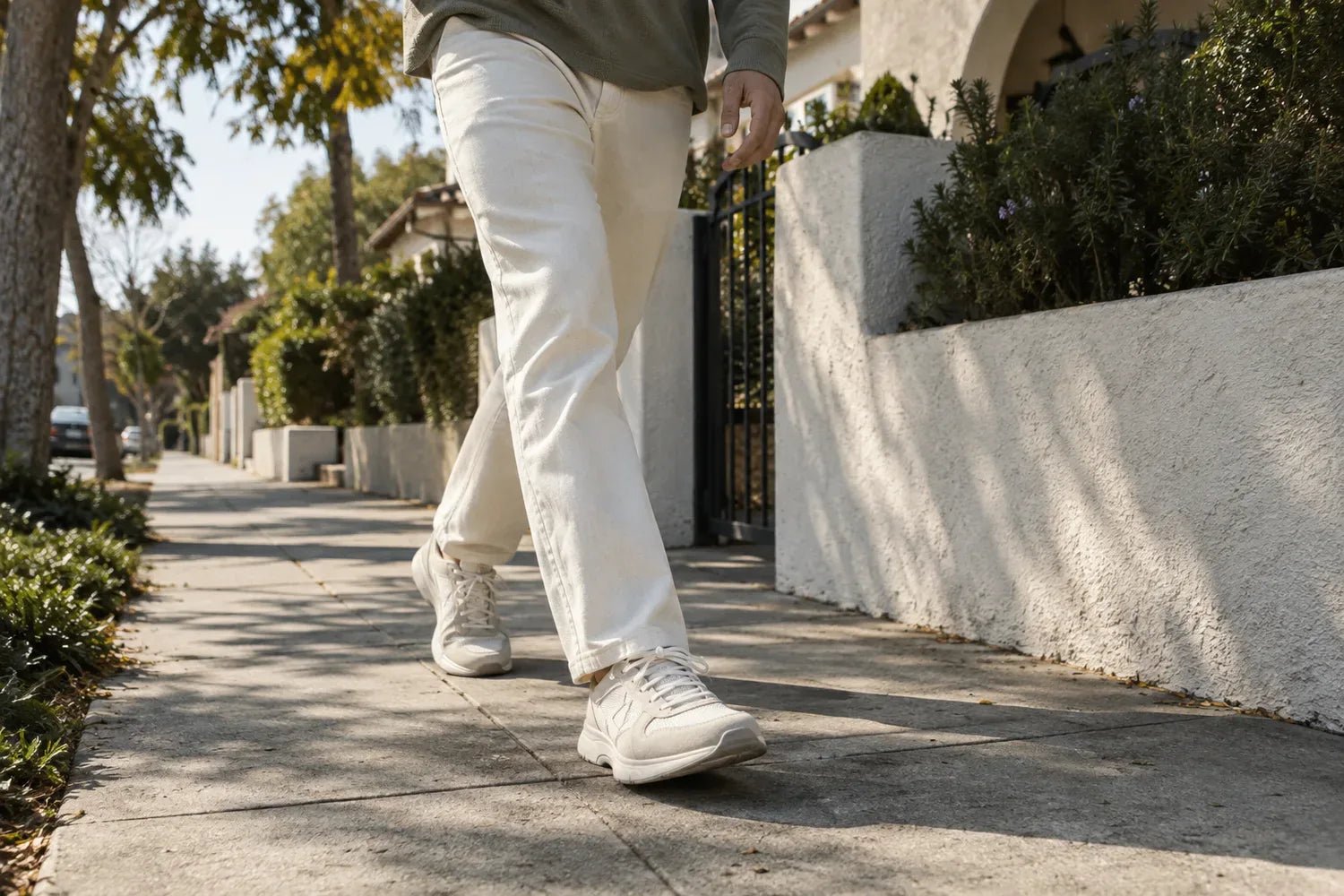
At the counter. In the classroom. Between tasks. Put softly contouring cushioning above shaped support, with a feel you can settle into.
Choose the response you enjoy. Your job title alone does not determine the right feel.
Start with Embrace
A gently yielding surface for standing and short walks, without a pronounced spring.
Embrace · $59.95 USDper pair
In stock · Check available sizes
Shop Embrace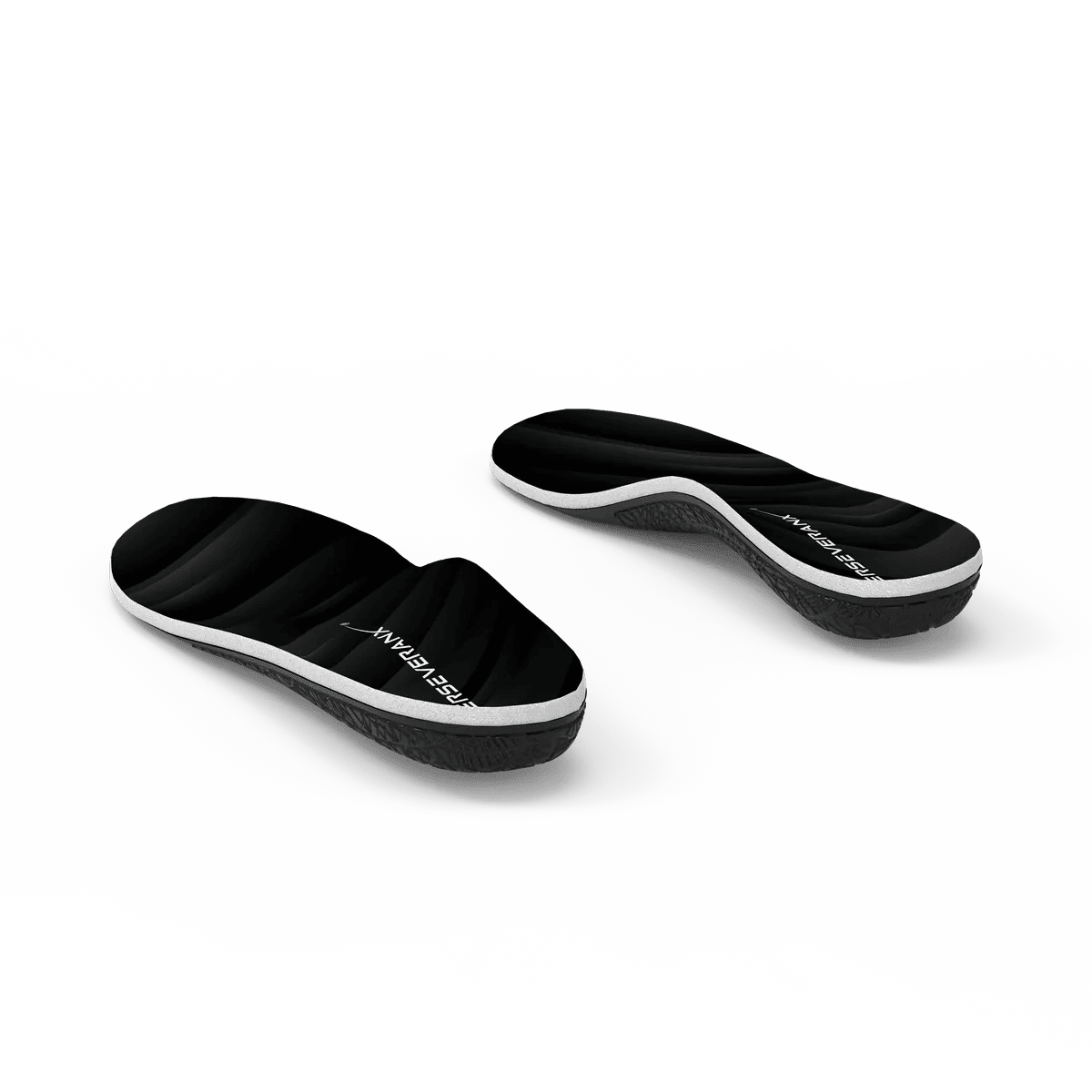
Prefer a little spring?
Compare Plush when you like softness but want a livelier response as you move.
Plush · $79.95 USDper pair
Backorder · Expected to ship from Nov 1, 2026
Backorder PlushAn insole should make sense inside the shoes and socks you wear for work. Check these before committing to a full shift.
If your original liner is designed to come out, remove it first. Stacking inserts can crowd your toes and lift your heel.
The raised contour should meet your arch comfortably, without a concentrated pressure point.
Check toe room and heel security as you stand, shift your weight and take a short walk.
Five materials. Different responses.
A short sample demonstration makes the difference in feel easier to see.
Real samples · Original speed. This demonstrates rebound after impact, not long-term wear or treatment outcomes.
Compare all five feelsTry a short period in your usual shoes before a full day. If the insert crowds your toes, lifts your heel or presses sharply under the arch, reassess the fit rather than pushing through the shift.
Measure your shoe fit · Read the standing-day guide · Wearing work boots?
No. Some people prefer a yielding cushion, others less sink or more spring. Start with your preferred feel, then check that the high-arch profile and shoe space work for you.
No single insole suits every foot or shoe. The same checks apply whether you work at a counter, in a classroom or elsewhere: comfortable arch contact, enough toe room and a secure heel.
Check each pair separately. Shoes with the same labelled size can have different internal shapes and space. Mixed models, sizes and colors count toward the existing pair savings.
Give comfort time.
Try your pair for 60 days from delivery—even if worn or trimmed. We provide a prepaid return label. For separate shipments, each pair has its own 60-day window.