
The best starting point when choosing insoles for plantar fasciitis is a comfortable match between your foot, the support underneath it, and the space in your shoe. A condition name cannot tell you whether you will prefer a softly contouring surface or a firmer cushion.
Supportive footwear and shoe inserts can be useful parts of plantar fasciitis care, alongside other measures chosen for the person. The American Academy of Orthopaedic Surgeons explains these options. Treat an insole purchase as a footwear decision within that care, with comfort and fit as your first checks.
Look for cushioning and support together
Softness is what you notice when you step in. Support is the shape your foot meets as you stand. You can want both: a yielding surface beneath your heel and forefoot, with a firmer foundation under your arch.
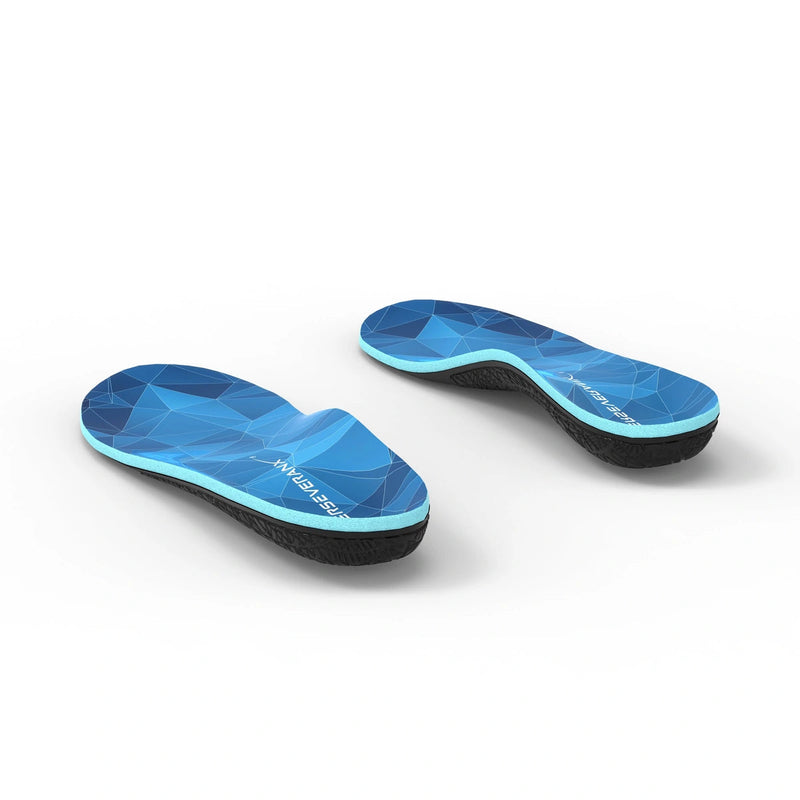
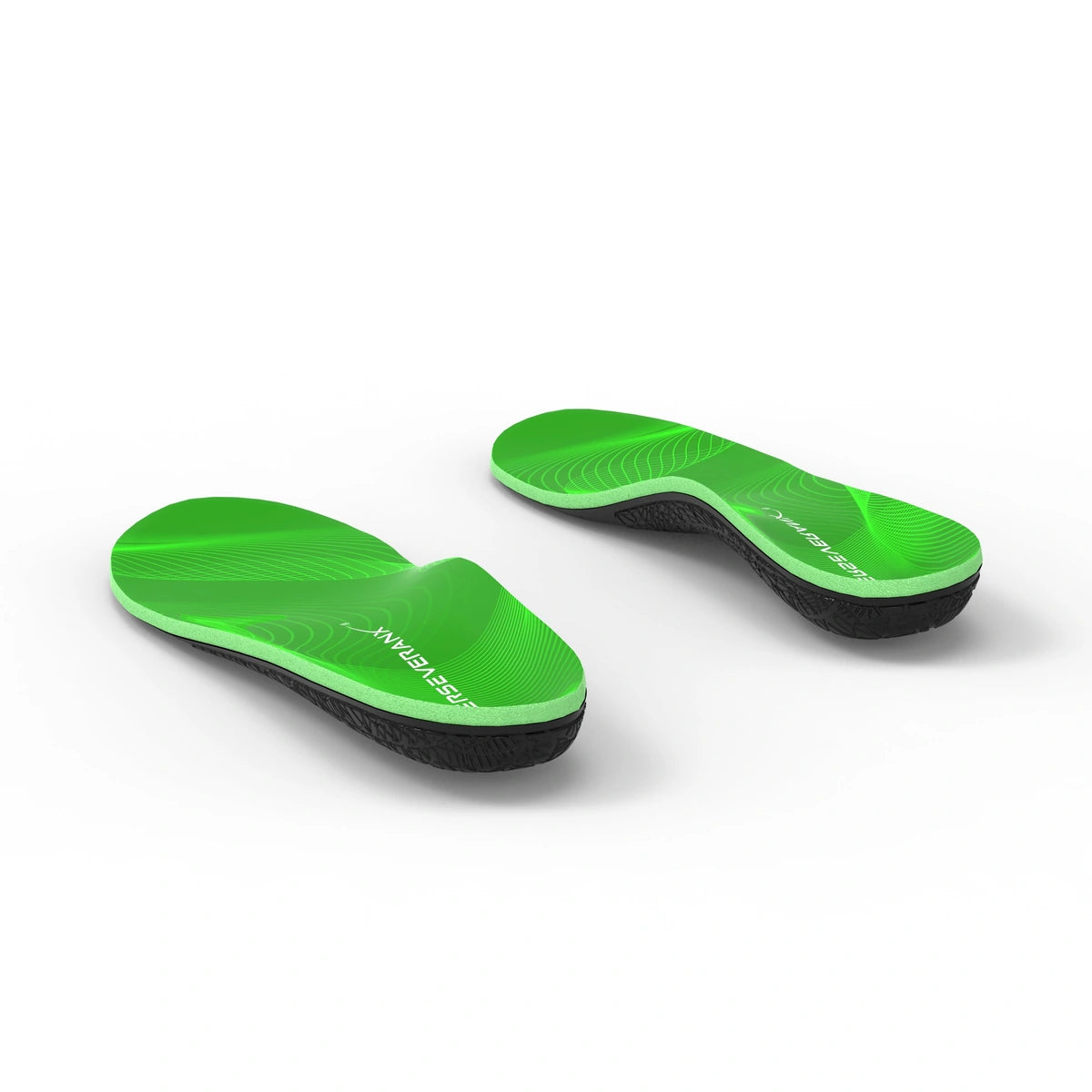
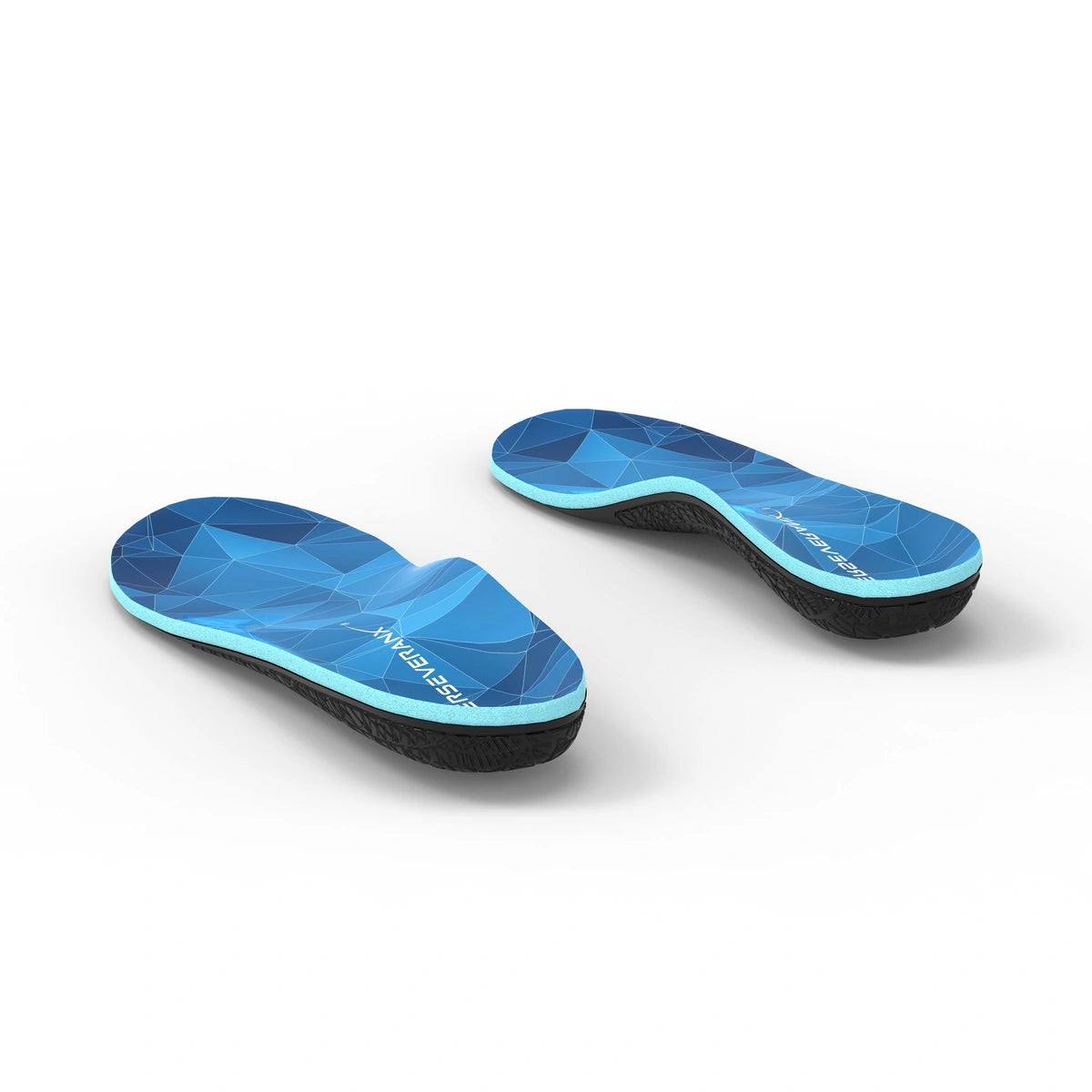
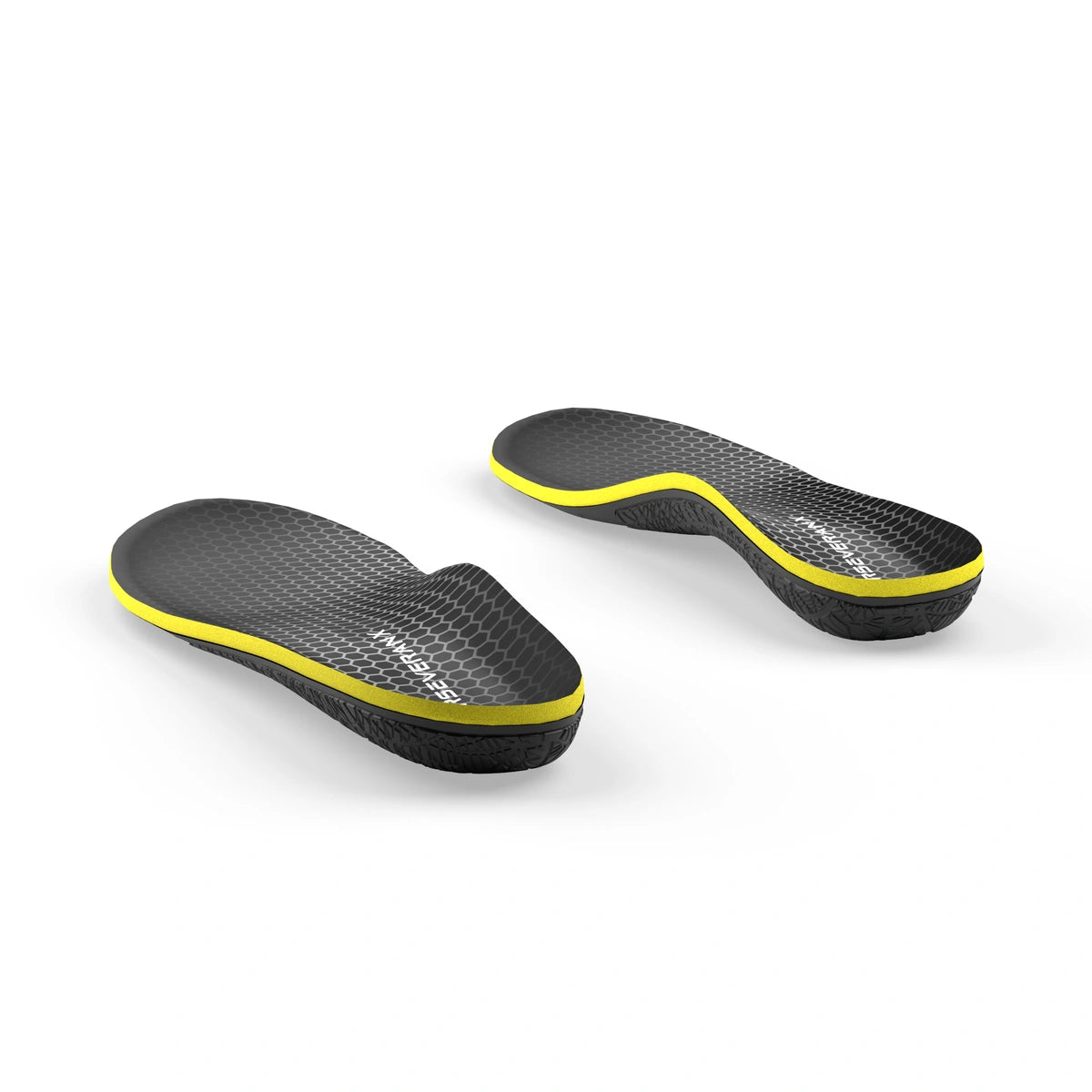
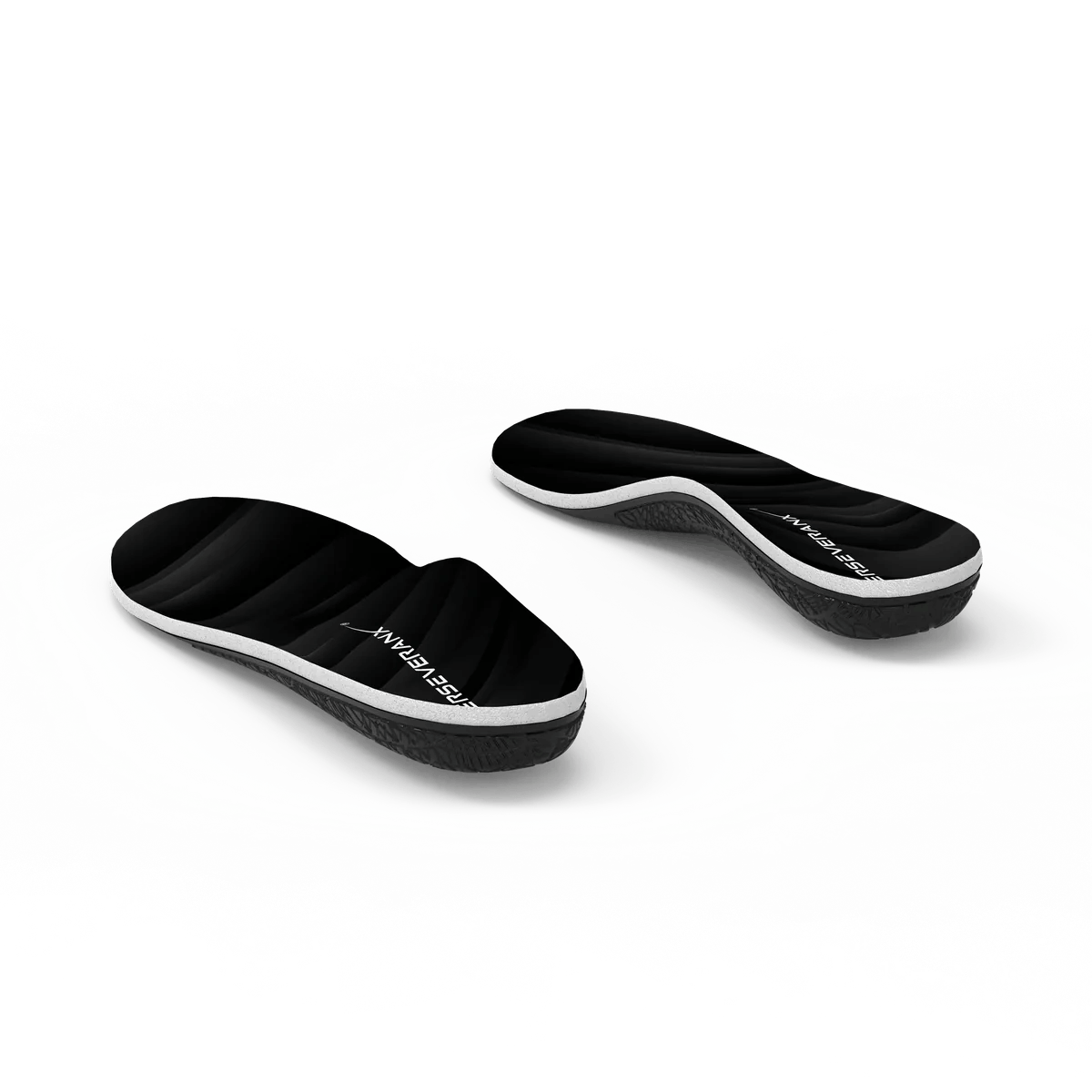
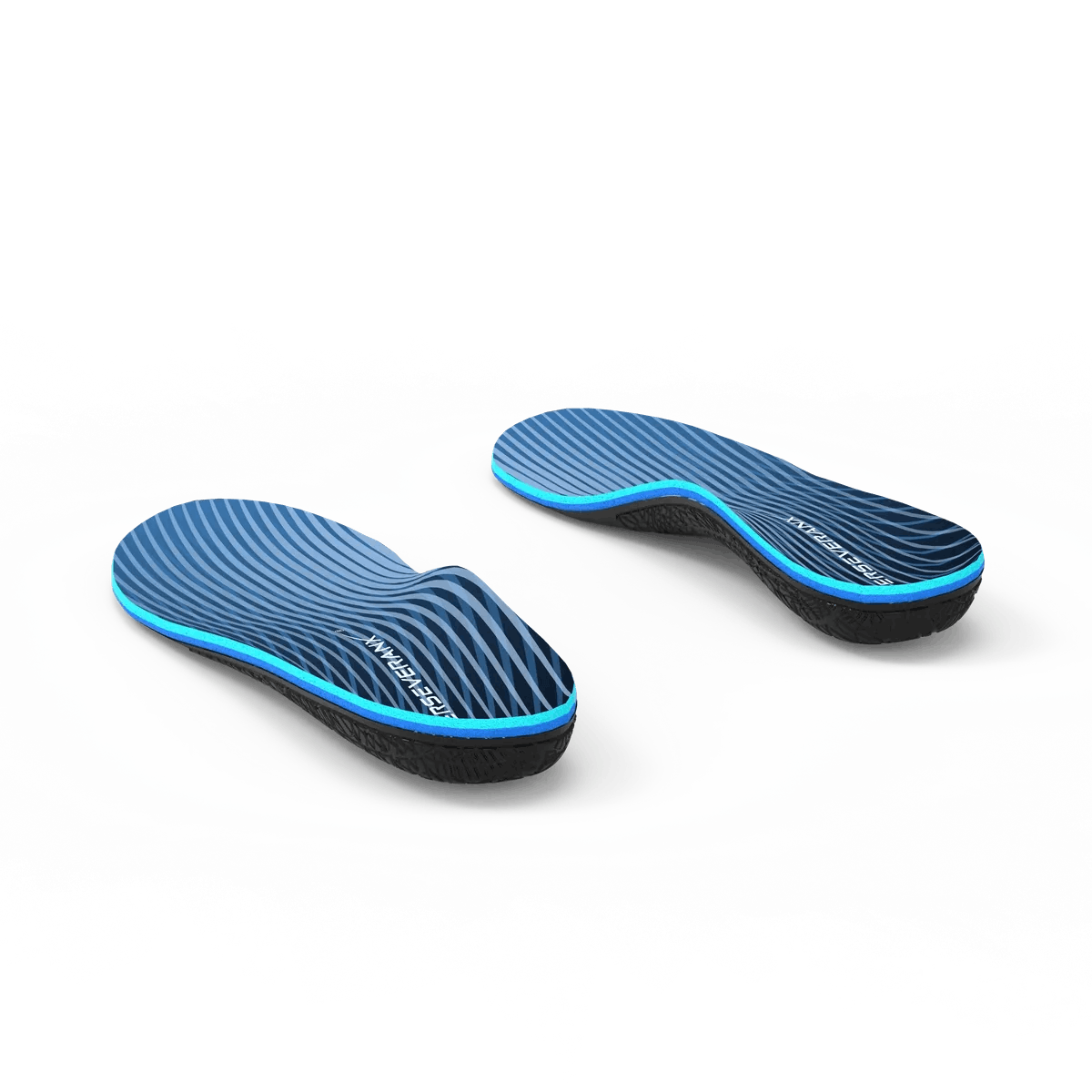
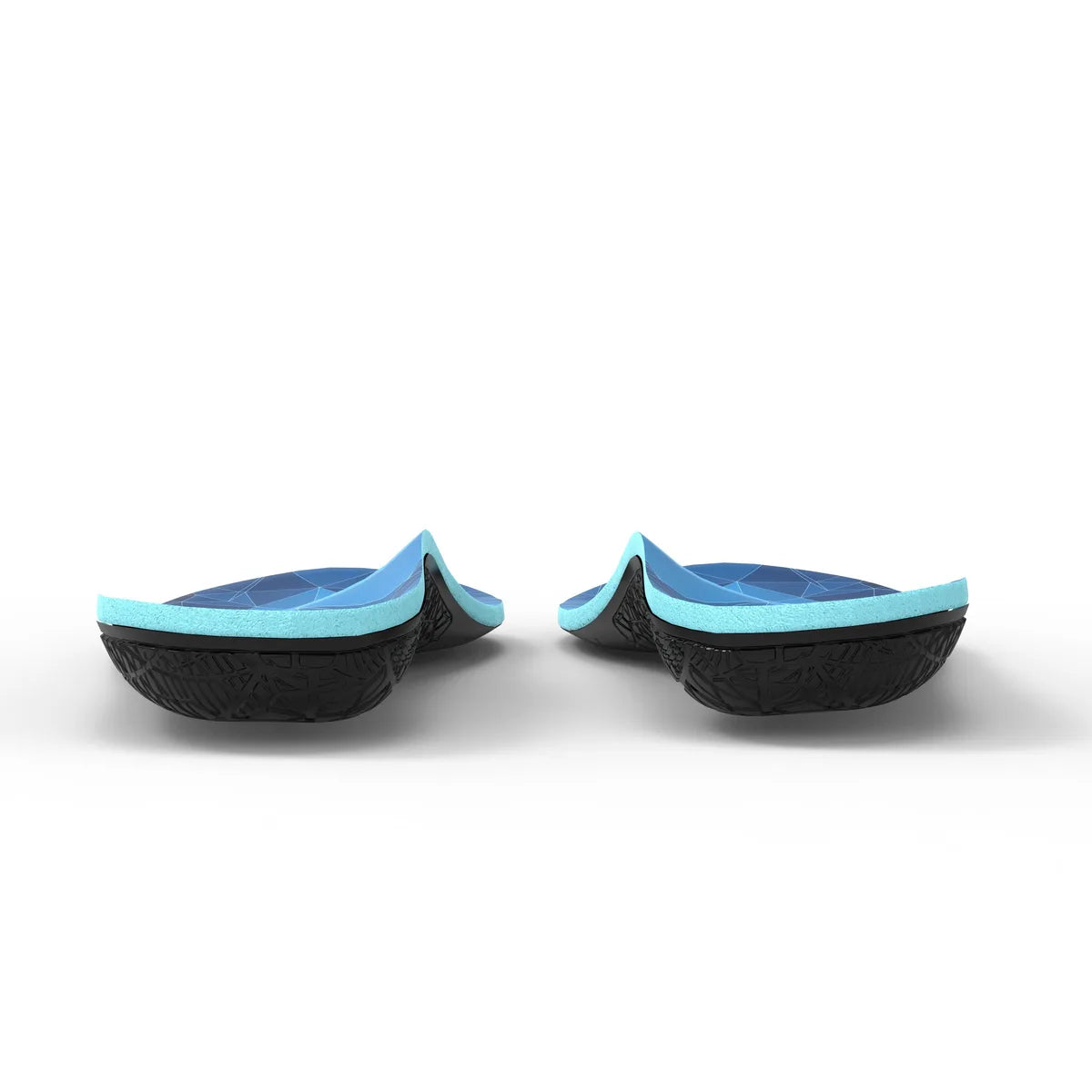
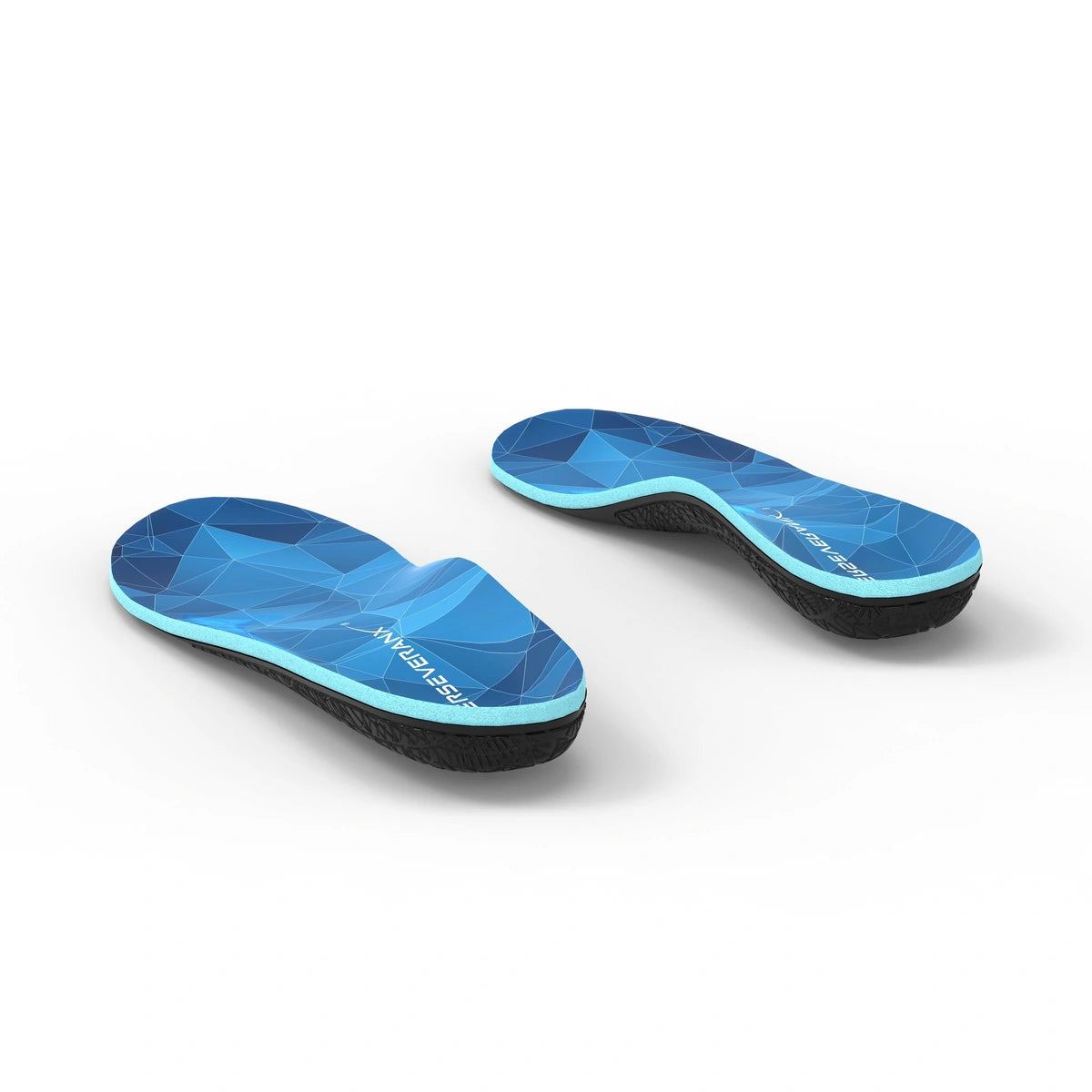
PerseveranX combines an open-cell PU cushioning layer with a contoured EVA comfort base and a shaped TPU frame. The frame supports the arch and cradles the heel; the cushion softens contact above it. This separates two useful questions: does the shape meet your foot comfortably, and do you enjoy the feel of the material?
Make room before adding an insole
- Check the original insert. If it is designed to come out, remove it before fitting a replacement. Leave glued or sewn-in linings in place.
- Check more than length. Your heel should sit comfortably inside the shoe, your toes need room, and the arch contour should meet the right part of your foot.
- Read thickness carefully. Our cushioning layer is approximately 0.16 in (4 mm). That is the cushion thickness, not the total height of the shaped insole.
Use our size and shoe-fit guide to compare dimensions before trimming. A premium insole still needs a shoe that can accommodate it.
Choose the contact feel you want
Embrace offers softly contouring cushioning with low bounce. Consider it if you prefer a surface that yields easily as you stand and shift your weight. Fusion feels more substantial, with less easy sink than Embrace while retaining cushioning and low bounce. Consider it if you prefer a firmer sensation underfoot.
Fusion availability: Fusion is temporarily unavailable and is not accepting orders. Restock timing is not yet confirmed. Request a notification for your size.
These are feel preferences, not a ranking of treatment effectiveness. Both use cushioning selected to recover after pressure and resist lasting flattening. The practical benefit is preserving the cushioning you chose through repeated wear, rather than judging the insole only by its first impression.
Make a considered first choice
Keep the shoes, socks, and intended use in mind when comparing options. Try the fit before committing to a long day, and stop if it creates painful pressure. Persistent or worsening heel pain deserves an assessment rather than repeated product changes.
For more context, read how plantar fasciitis can affect walking and what to focus on in the first week. Start with the feel you prefer, then confirm that the shoe and support fit you.
Compare insole feels, fit and availability for plantar fasciitis.