
Metatarsalgia describes pain in the ball of the foot. Before choosing exercises, check the space in your shoes and get persistent symptoms assessed: the same general area can hurt for different reasons.
Mayo Clinic describes metatarsalgia as pain that may feel sharp, aching, or burning beneath the forefoot. It can become more noticeable while standing or walking, and poorly fitting shoes can contribute. That does not mean every sore forefoot needs the same stretch or insert.
Start with forefoot room
Check whether your toes have room in both width and height. Look beyond the labeled shoe size: the shoe’s shape, your socks, and the space occupied by an insole all affect how the finished fit feels.
- Try the actual combination. Assess the shoes and socks you intend to wear with the replacement insole.
- Check removable inserts. Take out the original only if it is designed to be removed. Stacking inserts can use up needed space.
- Keep the forefoot flat. After fitting, the replacement should sit without buckling or curling inside the shoe.
Our size and shoe-fit guide and wide-foot fit guide explain these checks. An insole cannot make a narrow toe box wider.
What about stretches and exercises?
The AAOS foot and ankle conditioning guide recommends clinical guidance and advises against ignoring exercise pain. Ask a physical therapist what is appropriate for you.
Make the appointment useful: take your everyday shoes, describe where the discomfort occurs, and explain what a normal working day involves. If you have tried an exercise, describe the movement and your response instead of simply saying that stretching did or did not help.
Useful questions include: should I change my activity first, which movements should I avoid for now, and would I benefit from a specifically positioned pad or prescribed device? A full-length cushioning insole should not automatically replace something prescribed for a particular pressure point.
Choose cushioning without crowding the shoe
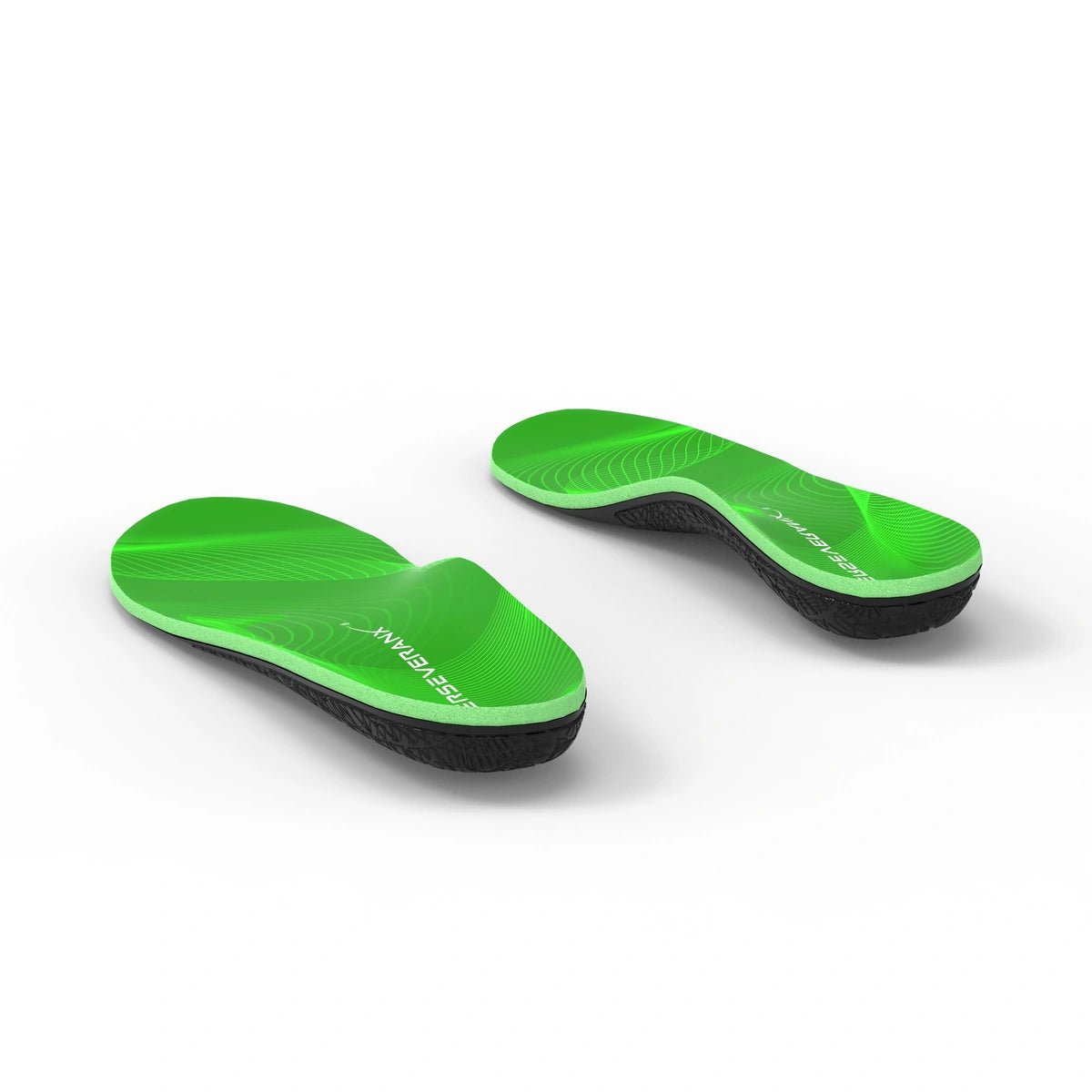
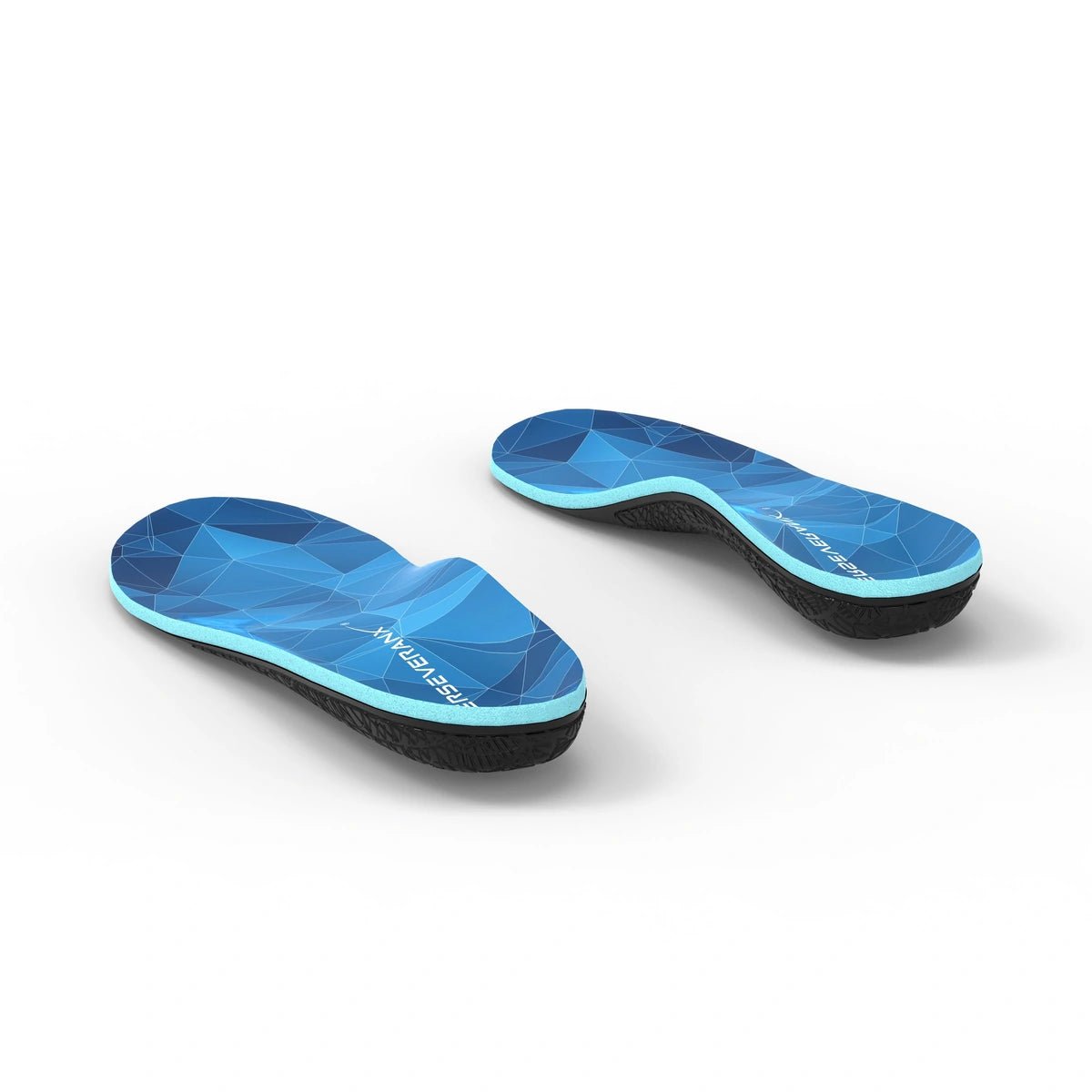
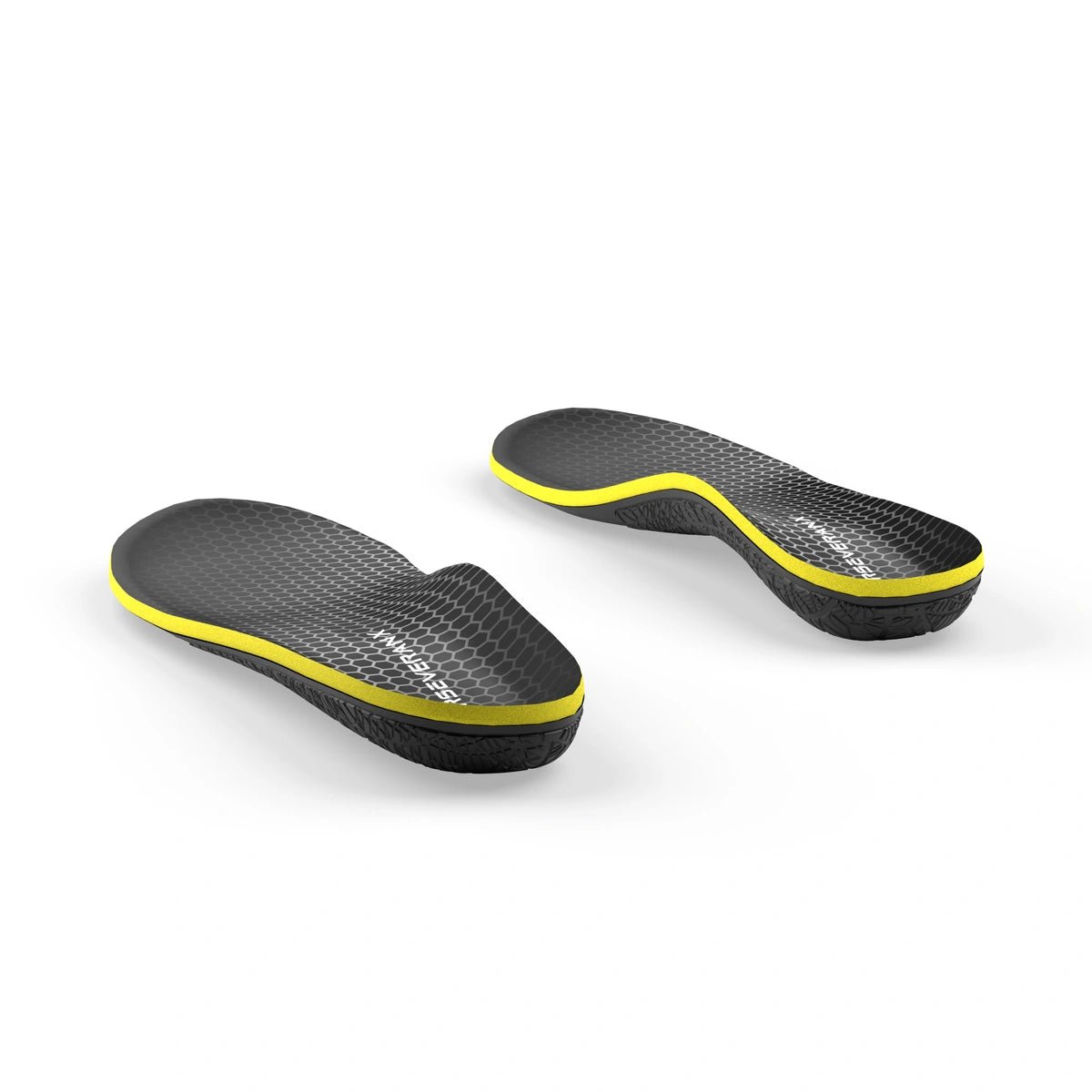
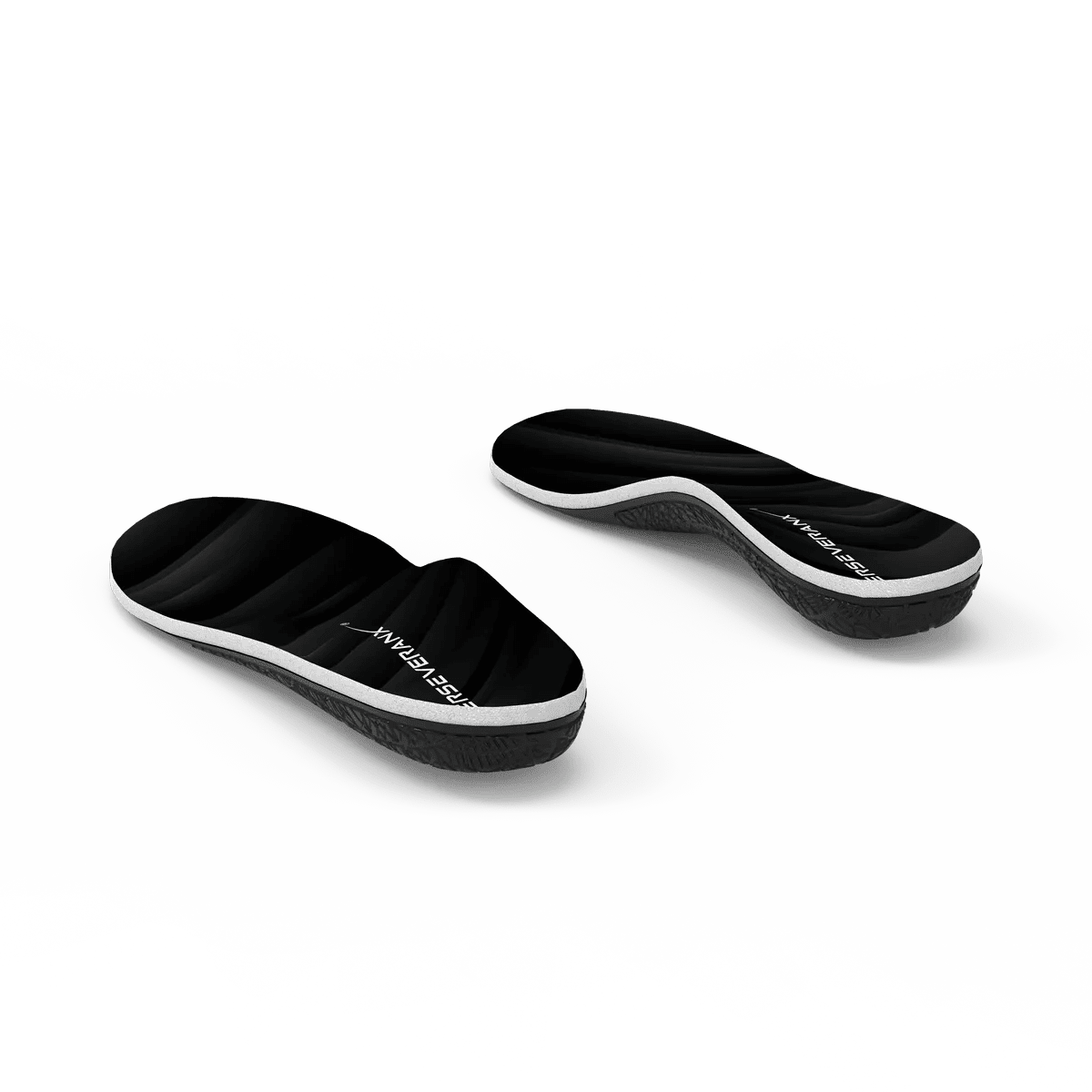
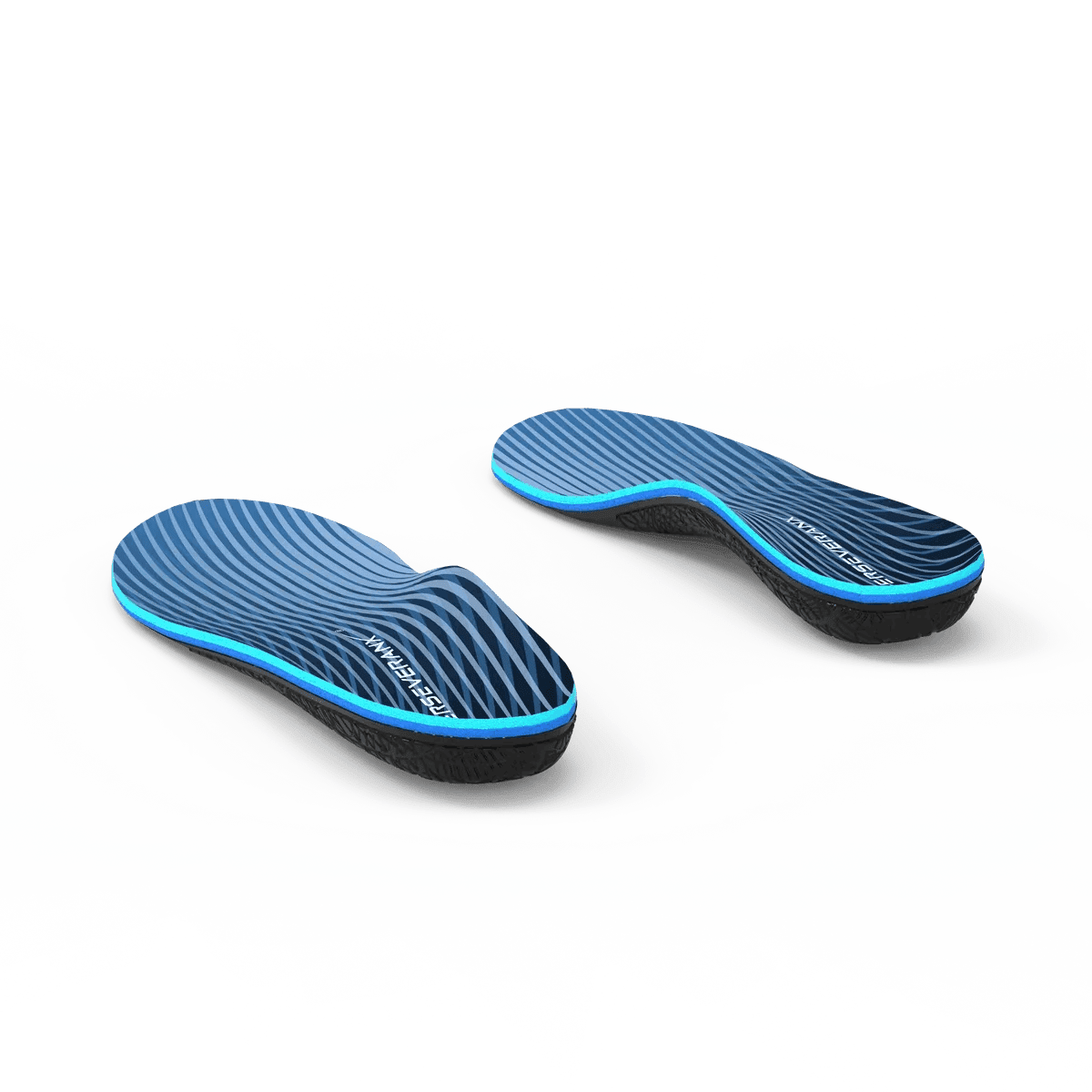
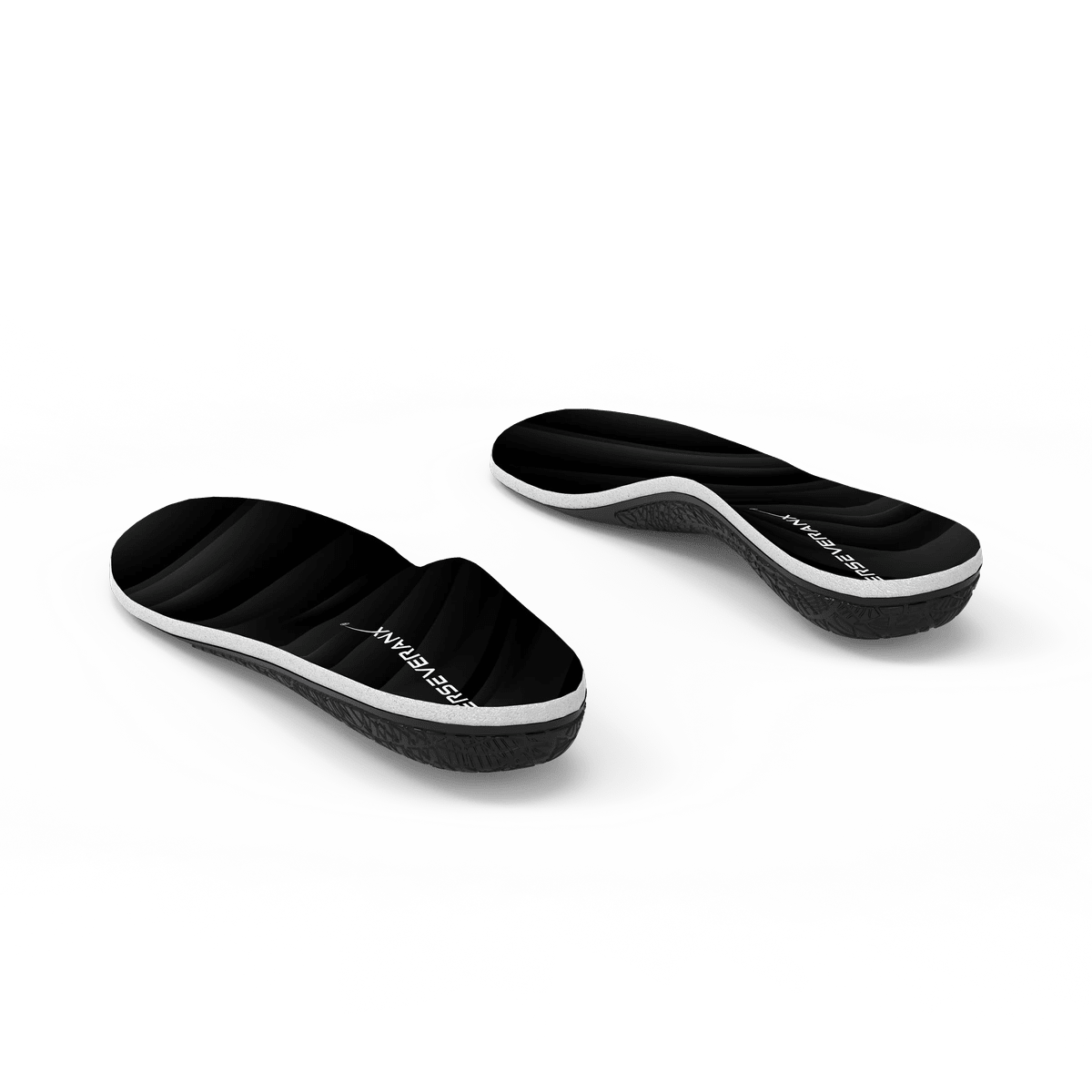
Embrace offers softly contouring, low-bounce cushioning. Plush has a soft feel with spring back. Choose the sensation you prefer within any footwear guidance you have received.
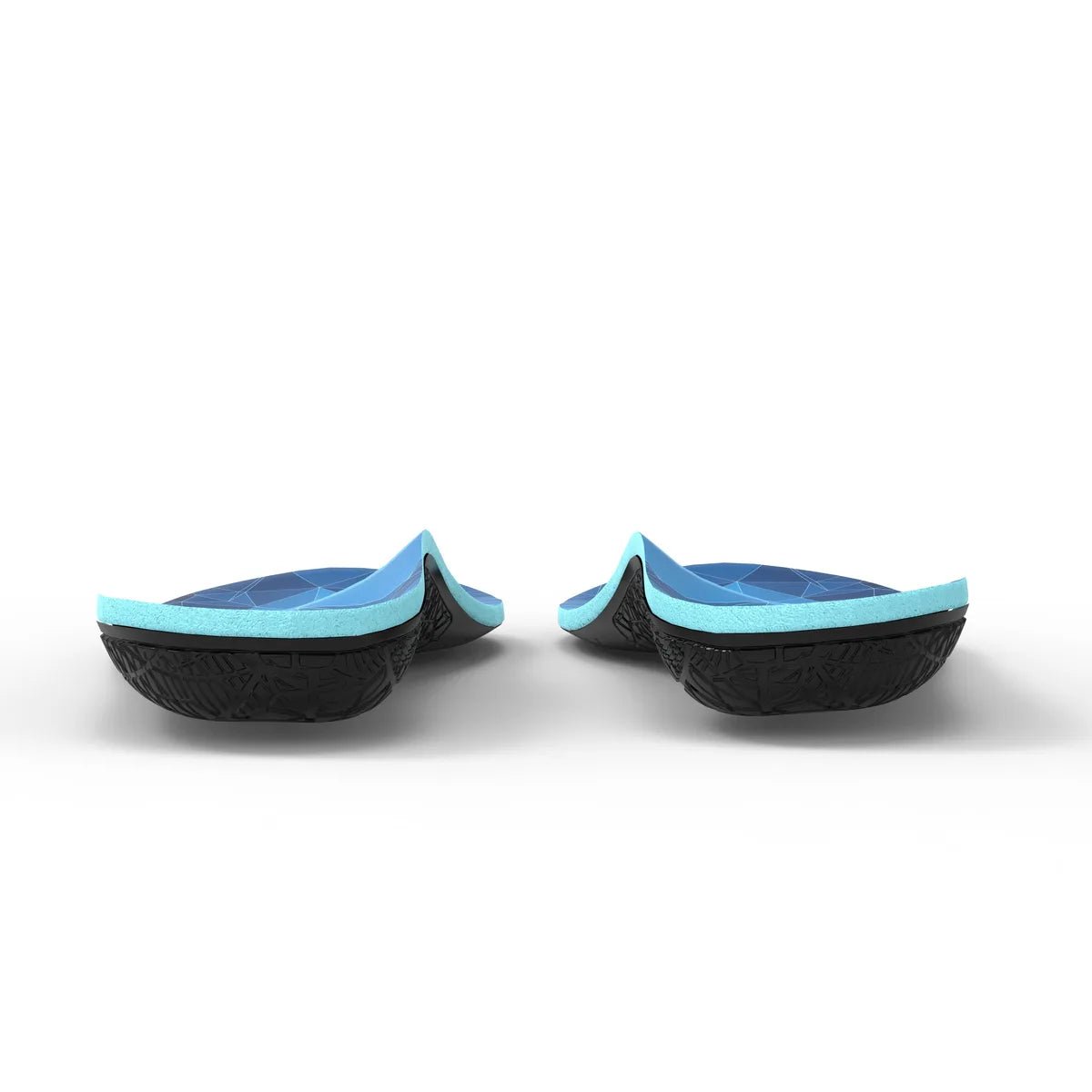
Both place open-cell PU cushioning above a comfort base and shaped support frame. The cushion softens heel and forefoot contact; the frame supports the arch and cradles the heel. The cushioning is selected to recover after pressure and resist lasting flattening, helping preserve the feel over repeated wear.
Allow room for the whole construction. The approximate 0.16 in (4 mm) specification refers to the cushioning layer alone. Our guide to foam construction explains why a material name is only one part of choosing an insole.
When to arrange an assessment
Seek medical advice when burning forefoot pain persists despite changing shoes or reducing aggravating activity, or when numbness or tingling accompanies it. Mayo Clinic recommends evaluation for pain that continues beyond a few days. Start with a comfortable shoe fit, then choose the cushioning feel that suits you within any care advice you receive.