The short answer. Rebound, impact cushioning and shape recovery describe different behaviors. A ball bouncing higher shows a rebound difference under those demonstration conditions. It does not, by itself, prove that a material absorbs the most shock or performs best inside every shoe.
A slow squeeze, a falling ball and a foot inside a shoe place different demands on a material. Watching a sample respond can make the difference between our cushioning options easier to understand. The useful step is to name what you are seeing accurately.
Three observations, three different questions
01
Rebound
How lively is the return after contact?
02
Impact response
How does the material behave when pressure arrives quickly?
03
Shape recovery
How does the material return after pressure is removed?
A springy sensation and a recovering shape are not the same thing. A low-bounce material can still return toward its original shape. Likewise, a high rebound in a ball demonstration is not a direct measurement of how much force reaches a person’s joints.
Read the demonstration for what it shows
Compare side by side. Swipe across on smaller screens.
| Observation | What you can learn | What it does not establish |
|---|---|---|
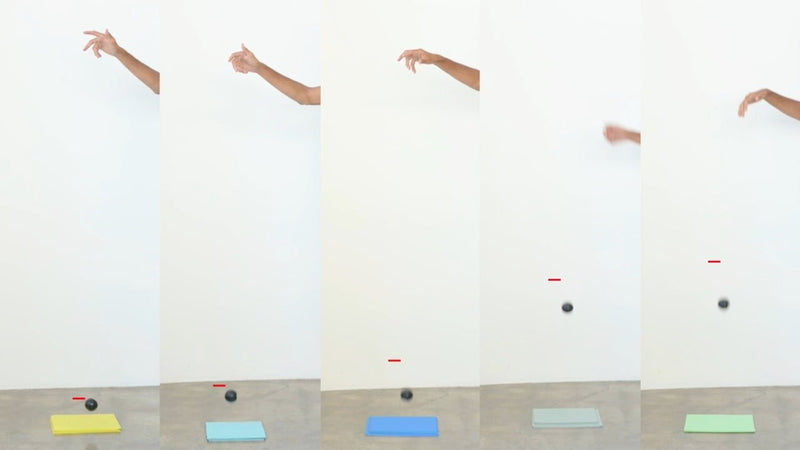
| The ball rebounds to a different height | The samples produce different rebound in the setup shown. | A universal ranking of impact protection or running performance. |
| The visible surface after impact | The surface condition after that demonstration. | A guarantee against all dents or permanent flattening over a lifetime. |
| A sample yields under slower pressure | How it behaves in that particular contact. | A clinical outcome or identical feel for every wearer. |
You can watch our sample footage on How it works. The demonstration and repeated-compression testing answer different questions. Comparing test results also requires knowing the material thickness, load, timing and test method; a video cannot supply missing measurements.
Why the five feels are not a single bounce ranking
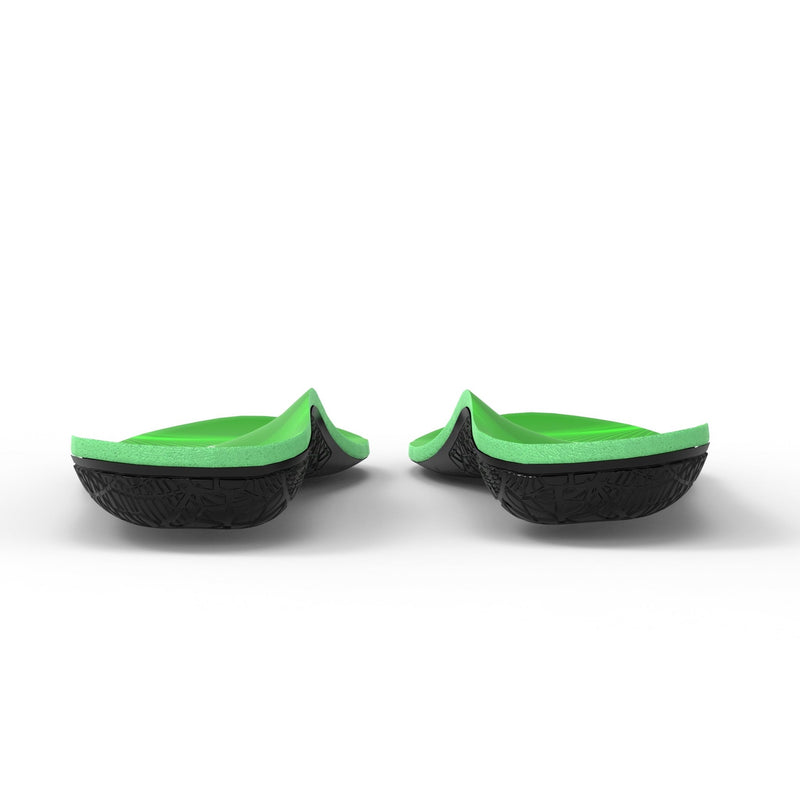
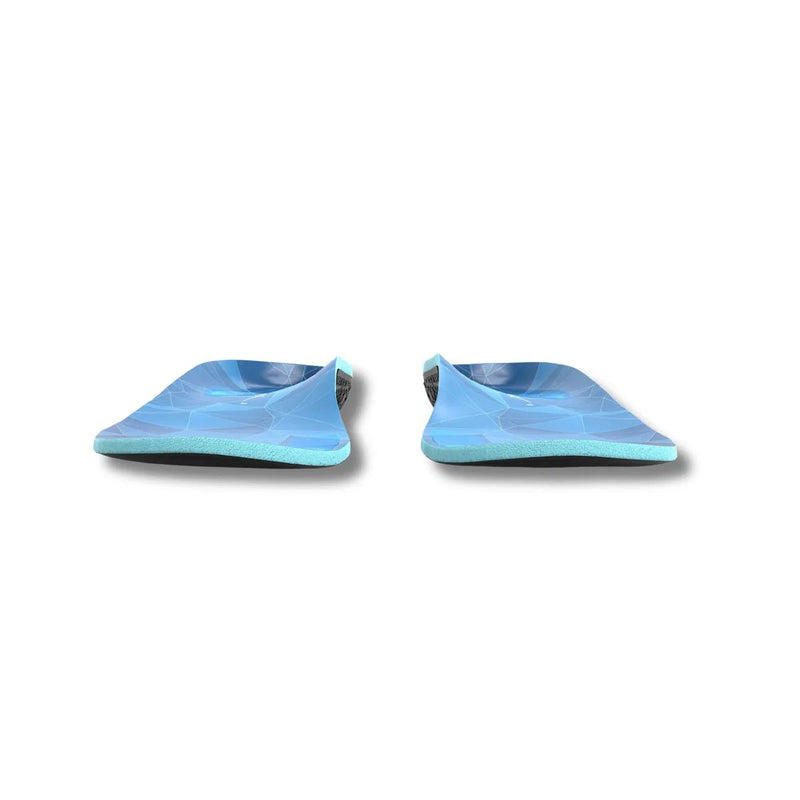
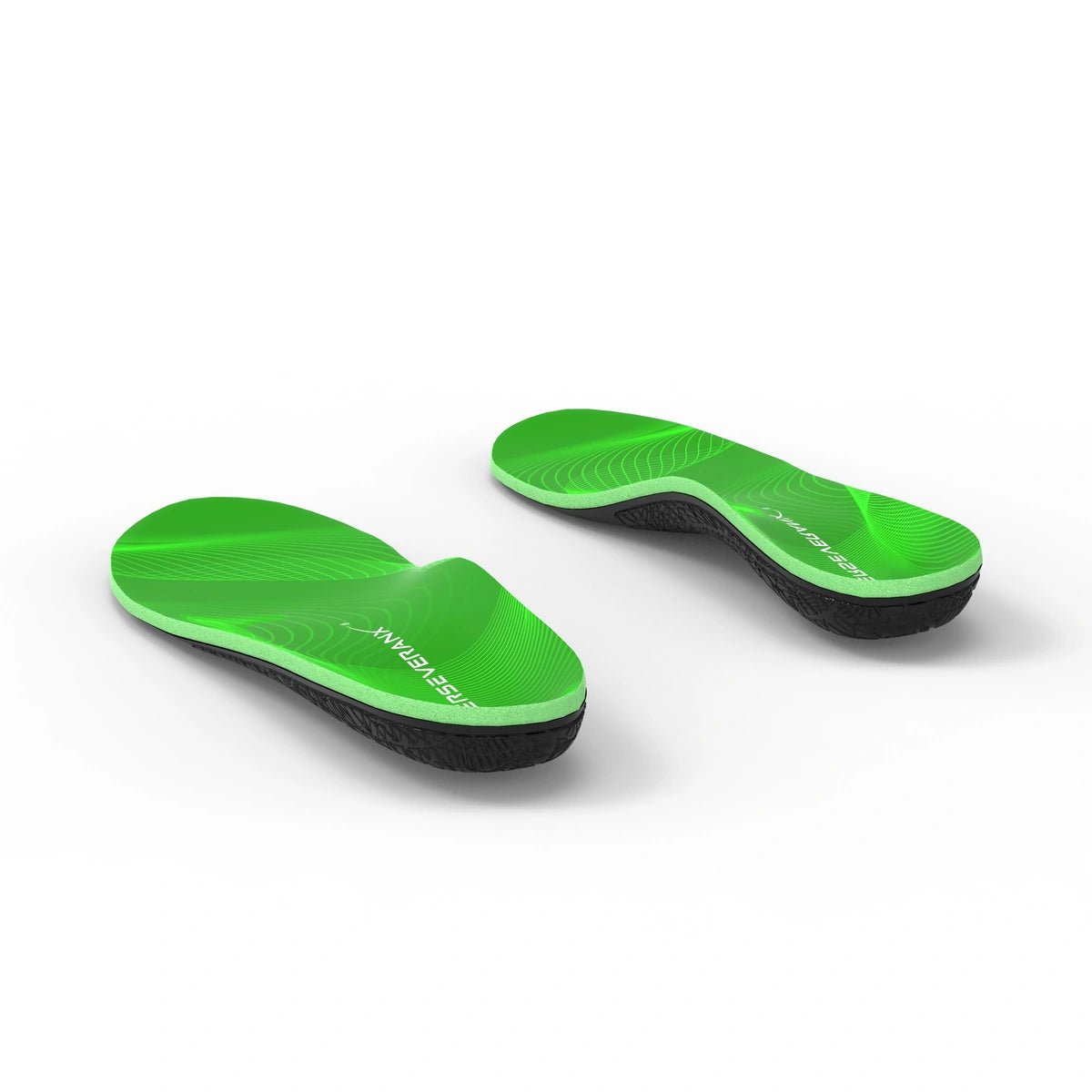
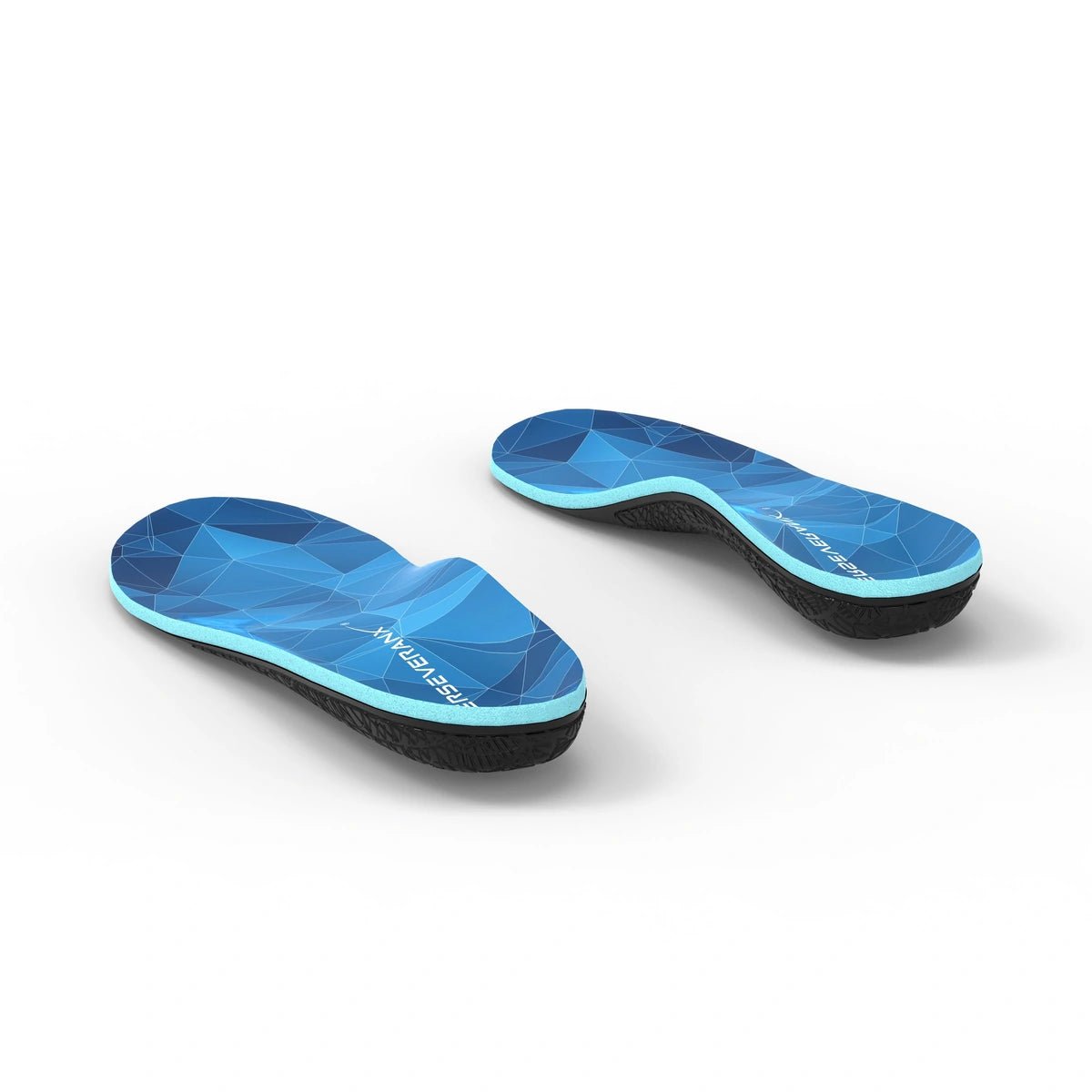
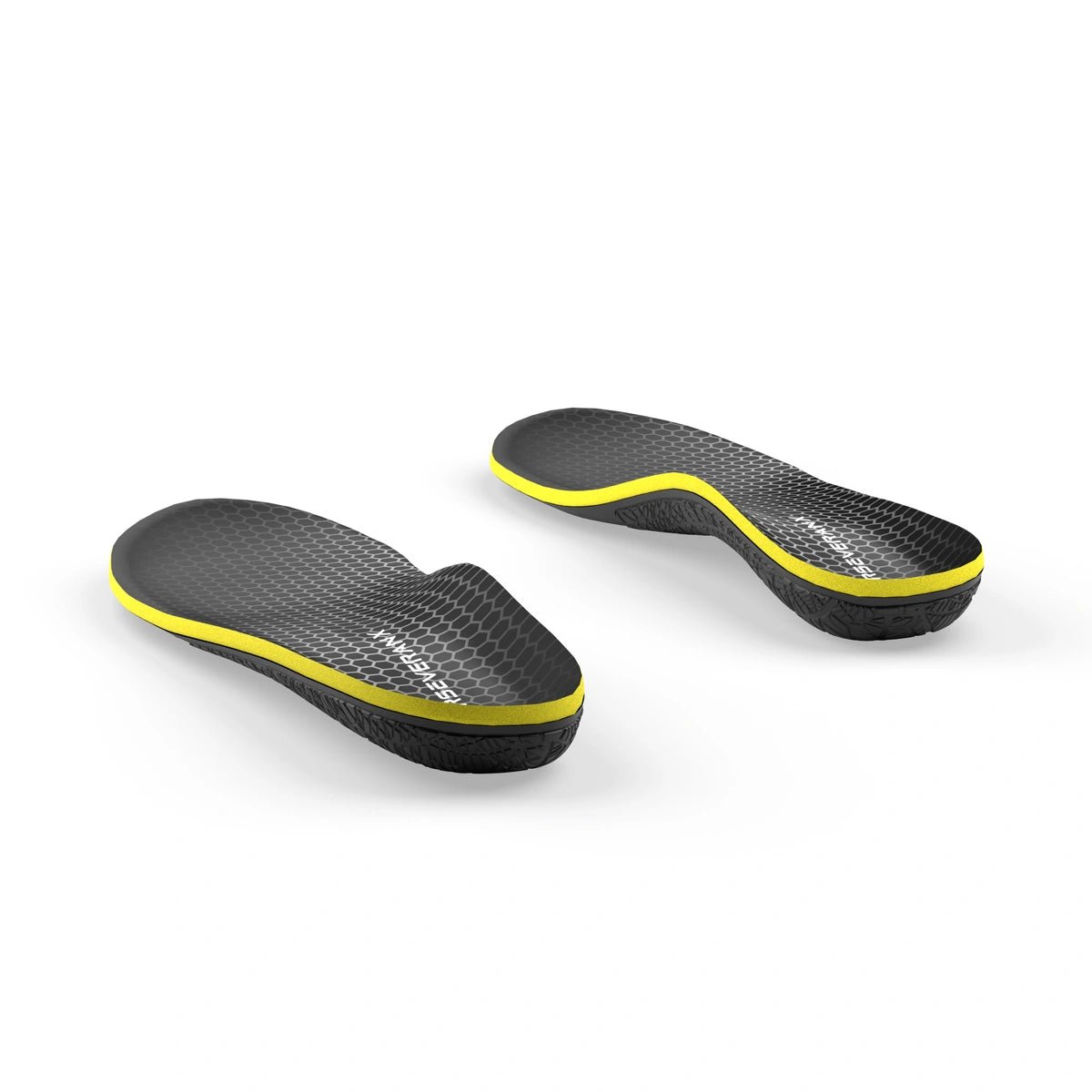
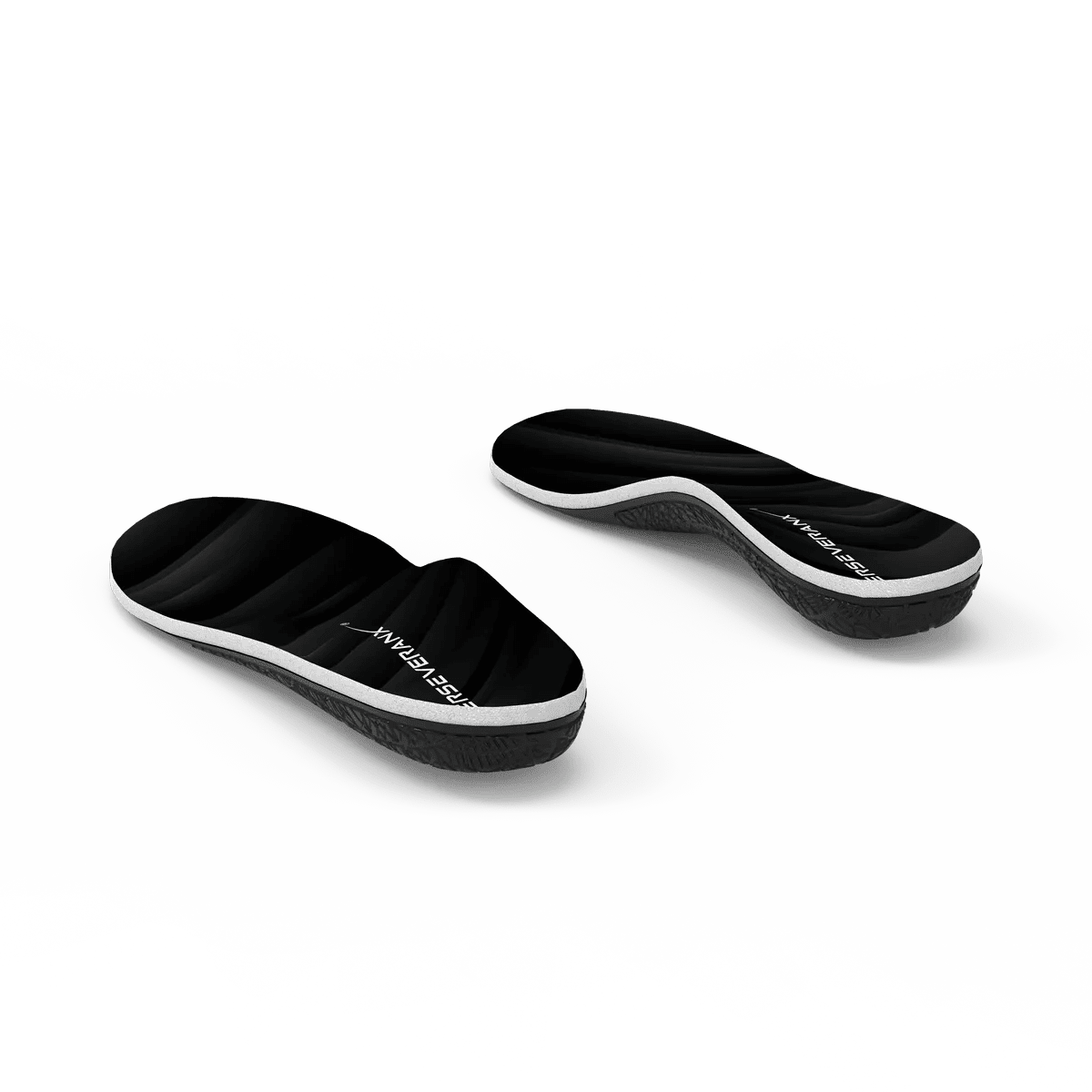
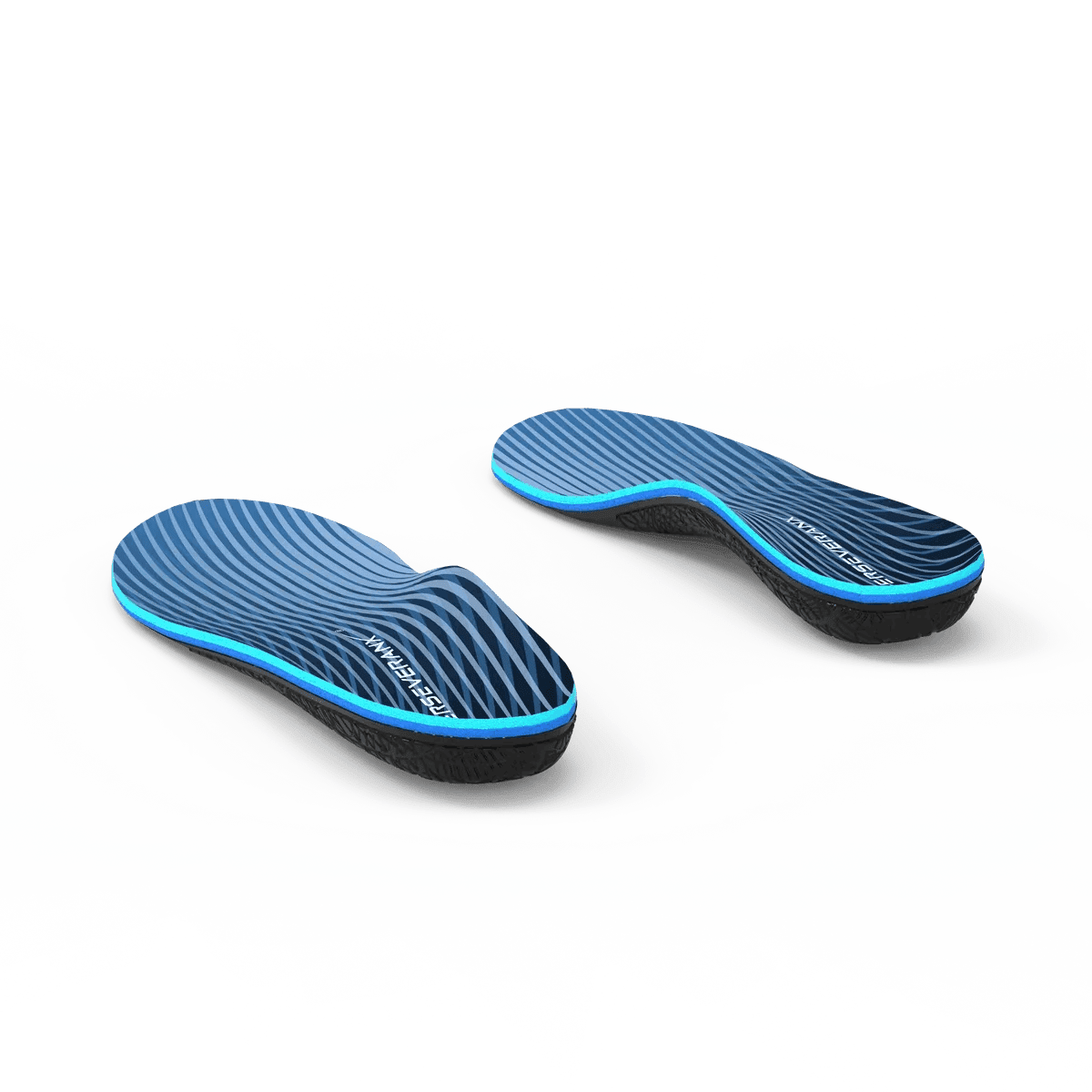
Bouncy is for people who enjoy pronounced spring. Plush combines a soft contact with elastic return. Embrace and Fusion offer low-bounce alternatives: Embrace contours more softly, while Fusion feels more substantial.
Fusion availability: Fusion is temporarily unavailable and is not accepting orders. Restock timing is not yet confirmed. Request a notification for your size.
HoneyComb explores another characteristic: flexibility under ordinary pressure with a firmer response to rapid impact. That is a description of the material response, not a claim that it prevents injury. The collection comparison puts these preferences beside one another.
Recovery matters beyond the first impression
A cushion that holds a lasting impression has less depth available at that spot. Our open-cell PU cushioning is selected for recovery after pressure and resistance to lasting flattening. The aim is to preserve the cushioning character you chose through repeated wear.
That does not mean a material cannot compress. Compression under load is part of cushioning; lasting collapse after the load is gone is a different issue. For the underlying structure, read our open-cell and closed-cell foam guide.
A few practical questions
Does the highest bounce mean the best insole?
No. It may suit someone who enjoys a lively response, while another person prefers a settled feel. Shoe fit, contour and the wearer’s preference still matter.
Does low bounce mean poor recovery?
No. Recovery describes return toward shape after pressure; rebound describes the springy return from contact. They are related material behaviors, but they are not interchangeable.
Can a ball test prove less fatigue or less pain?
No. Those are wearer outcomes. They require appropriate finished-product evidence rather than inference from the height of a bouncing ball.
Choose a response, not a contest winner.
Explore the five cushioning feels and find the one you would actually want beneath your feet.
Find your feel