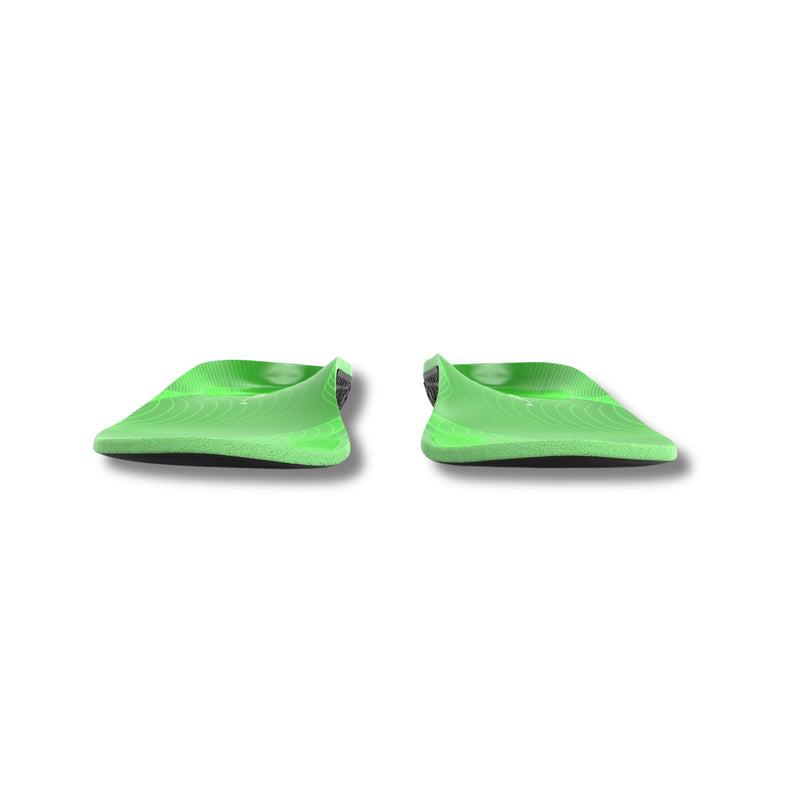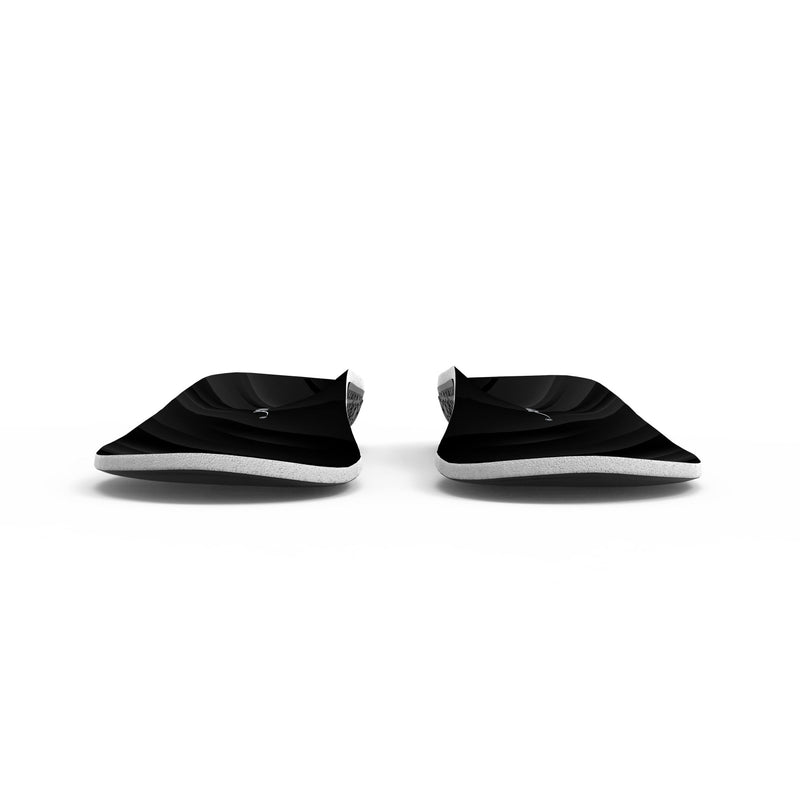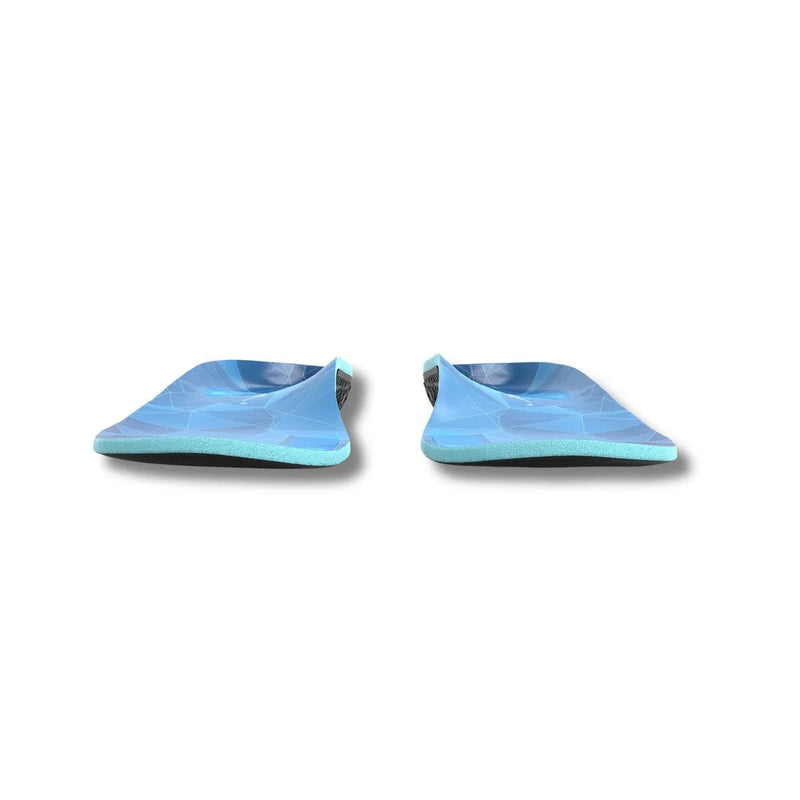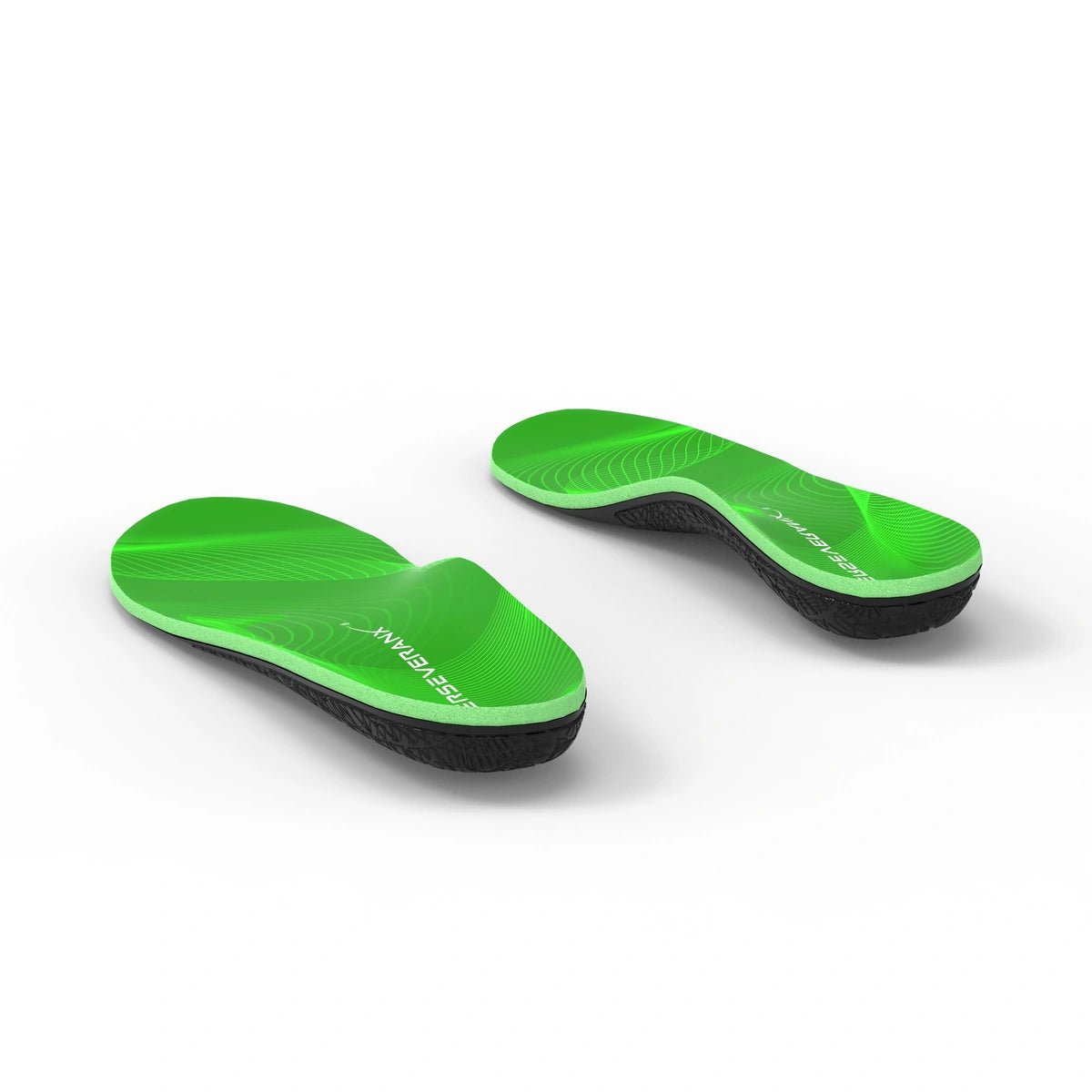
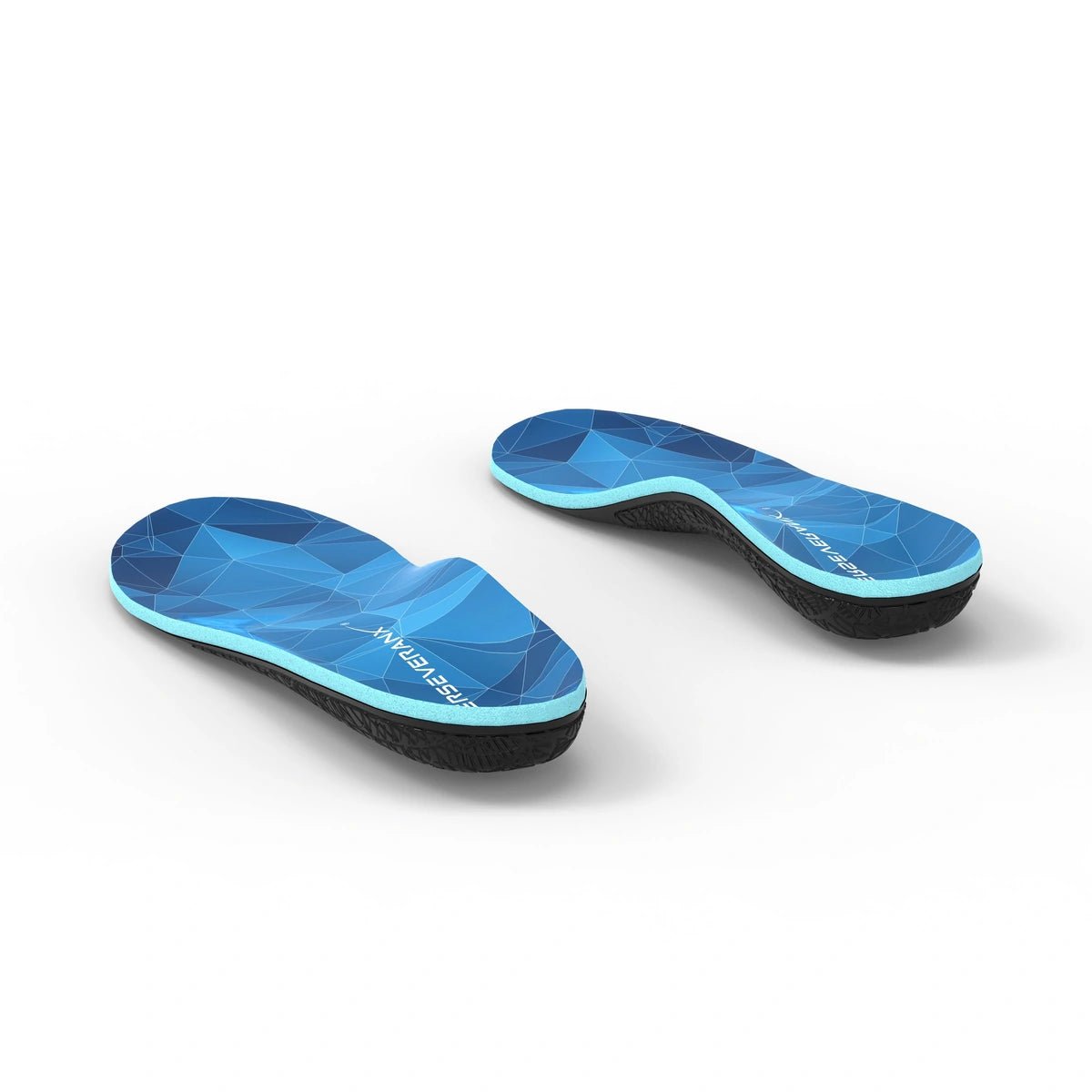
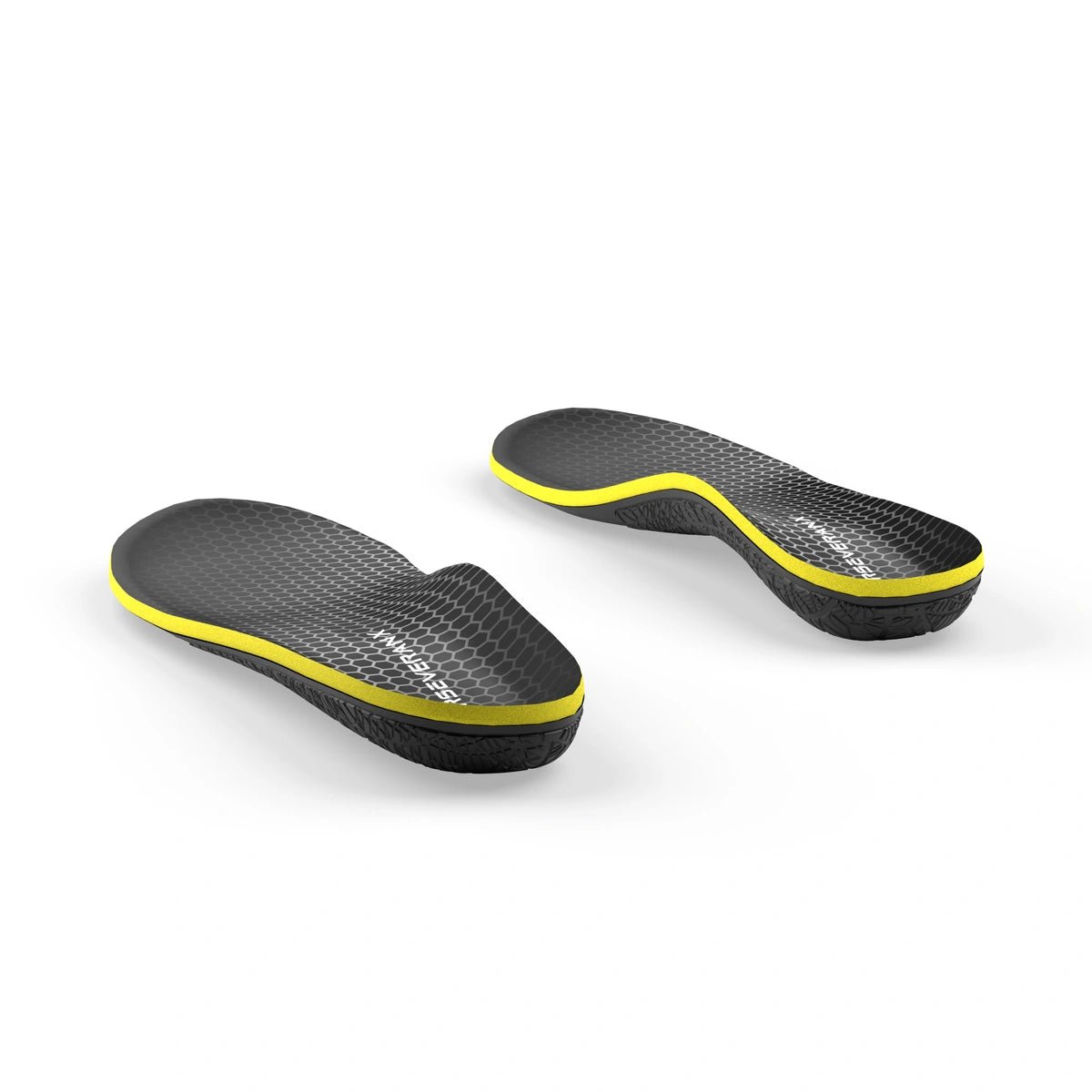
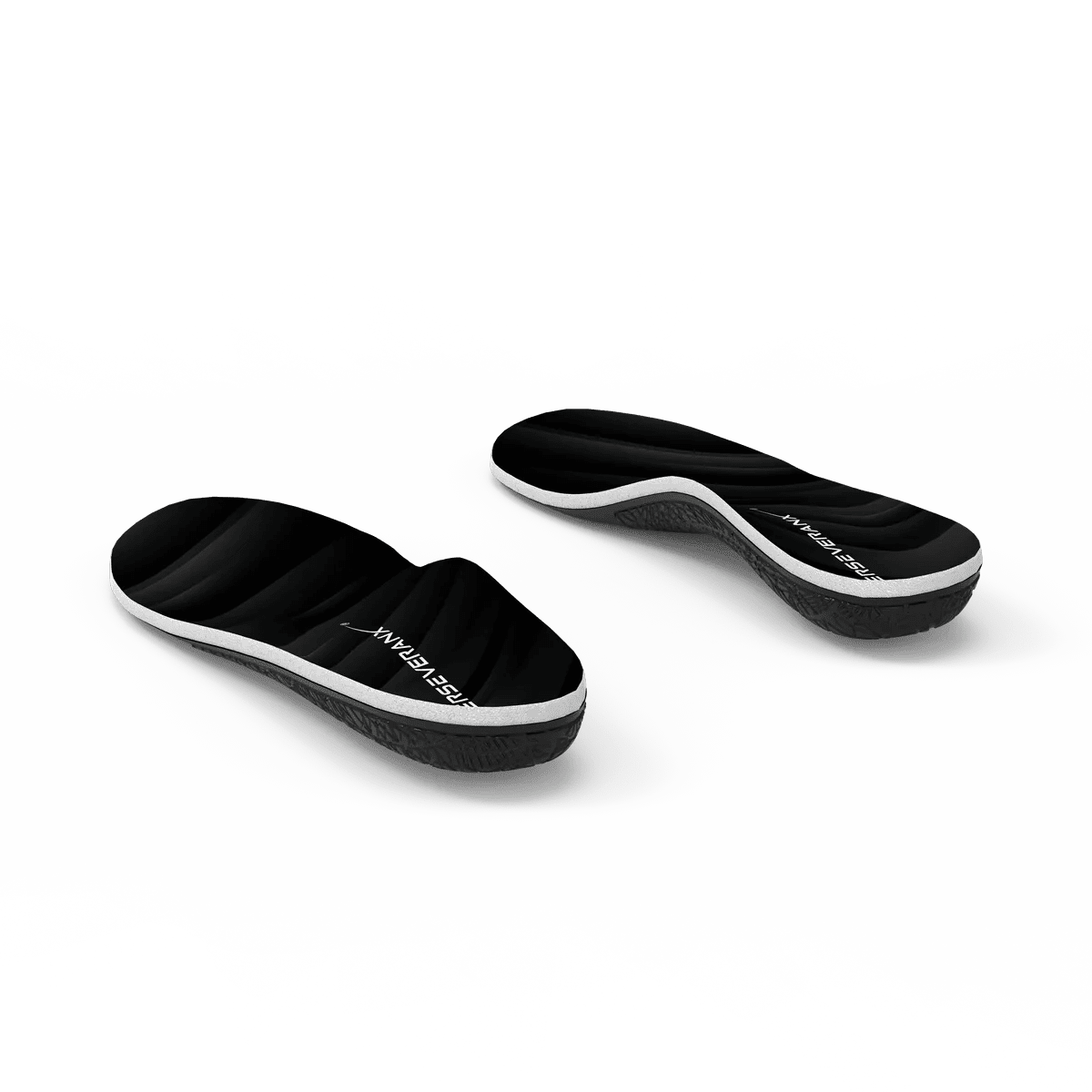
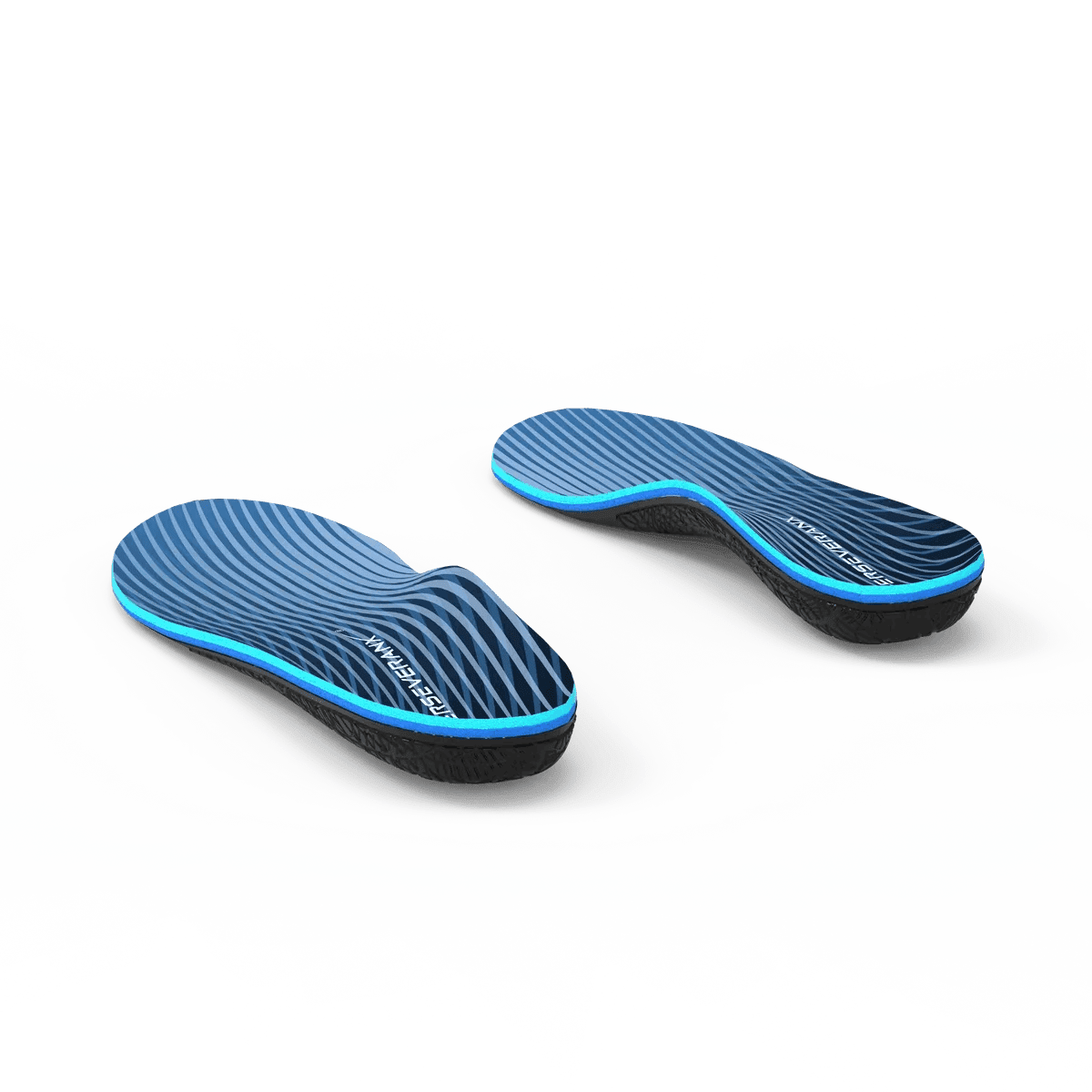
The short answer. Check condition and fit rather than treating one calendar interval as a rule for everyone. Look for lasting flattening, damaged surfaces or structure, and changes in how the insole sits inside your shoe. Consider the shoe itself as well as the insert.
Two people can own the same model for the same length of time and use it very differently. One rotates several pairs of shoes; another wears the same pair through every shift. A useful replacement decision starts with what you can observe, not a countdown invented without knowing that use.
Take the insole out and inspect it
Compare side by side. Swipe across on smaller screens.
| Check | What to look for | What to do next |
|---|---|---|
| Cushioning | A lasting impression or uneven area after the pair has rested without load. | Compare with less-loaded areas and reassess the feel in use. |
| Cover and edges | Tears, worn-through areas or separation between layers. | Assess whether the damage affects fit or comfort; contact us if uncertain. |
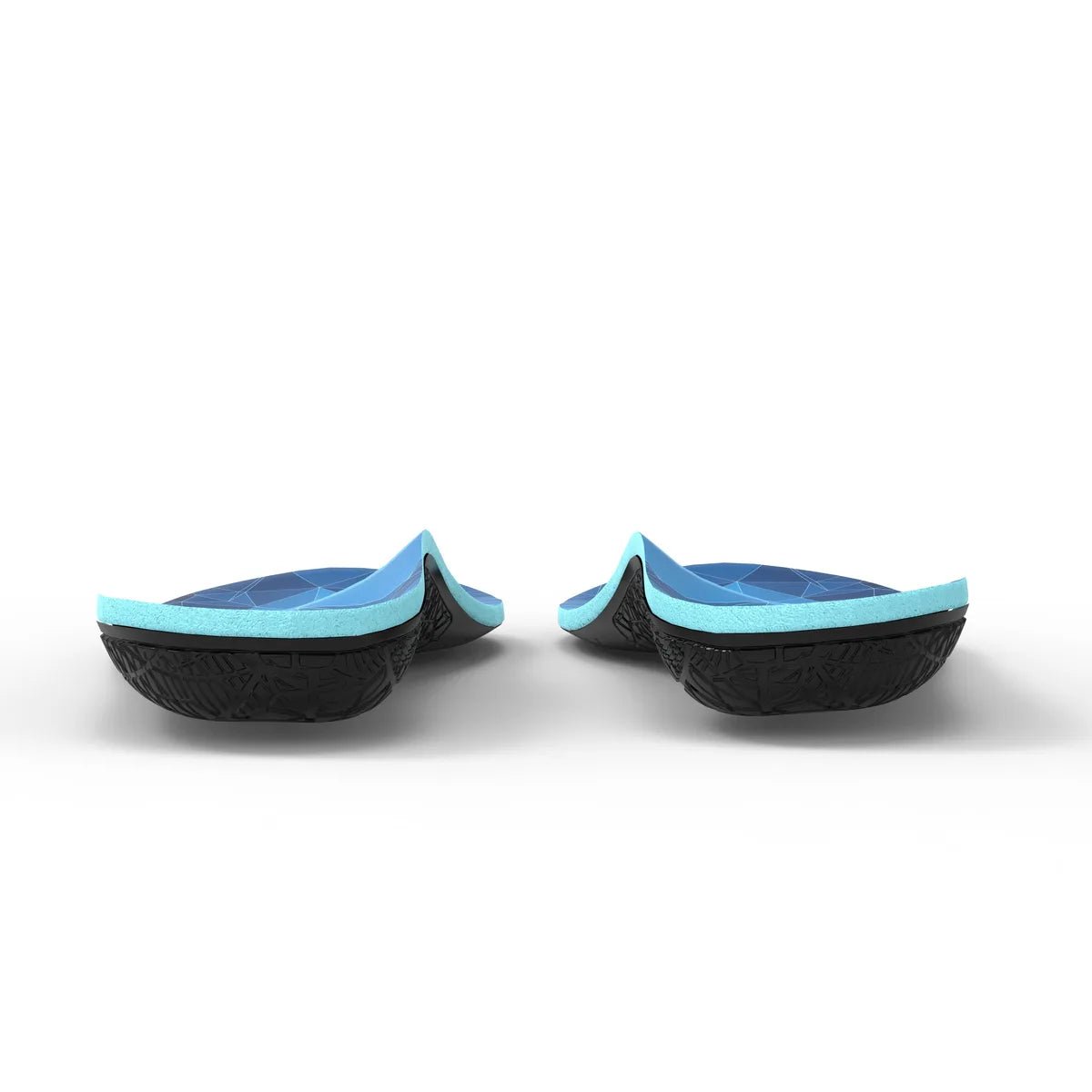
| Support structure | Cracking, distortion or a heel area that no longer seats properly. | Reassess the pair rather than cutting the support frame. |
| Fit inside the shoe | Curling, shifting or new crowding. | Check both the insert and the condition of the shoe. |
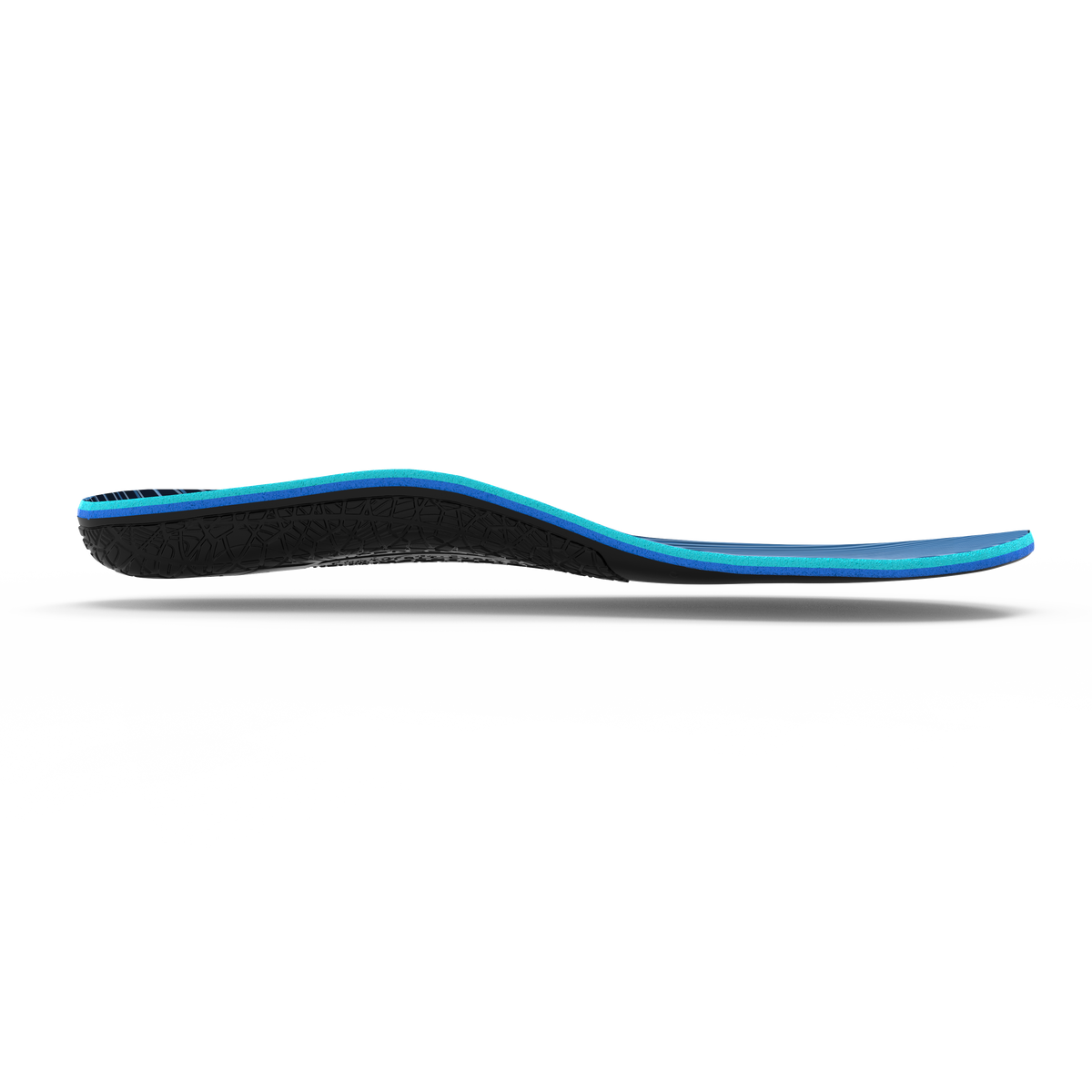
Take clear photos of the top, underside and side profile if you would like help assessing a visible change. Our support team can help with product questions; a photograph alone cannot establish the cause of foot pain.
Temporary compression is not permanent flattening
Cushioning yields under pressure. When the foot lifts, recovery describes the material returning toward its original shape. A lasting dent after unloading is a different observation from a material compressing while you stand on it.
PerseveranX uses open-cell PU cushioning with distinct firmness and rebound characteristics. It yields under pressure and recovers when unloaded, helping preserve the chosen feel across a day of wear. This does not establish a fixed service life or mean a finished insole can never wear out. See how cushioning and support work together.
The support frame, top cover, trim and footwear also affect the usable condition of a pair. A material can retain its cushioning while another part needs attention.
Use a three-part check
01
Look
Inspect the unloaded pair for wear, separation and visible distortion.
02
Fit
Make sure it lies flat and still meets your foot comfortably.
03
Feel
Notice changes during an ordinary walk in a familiar shoe.
If your shoe feels different, inspect its liner space, upper and sole as well. Replacing the insole is not necessarily the answer to a worn or poorly fitting shoe. Persistent or worsening pain deserves an individual assessment rather than repeated product swaps.
Care for the pair you have
Follow our current insole care guidance for cleaning and drying. Let the pair dry fully before returning it to the shoe. Avoid inventing a more aggressive washing routine on the assumption that extra heat or scrubbing will restore the cushioning.
If you move a trimmed pair to another shoe, check the outline and available space again. The earlier cut was made for a particular fit. Rotation can be practical, but it does not establish a fixed multiplier for product life.
If it is time for another pair
Choose based on what you liked and what you want to change. If Embrace felt comfortable but you now prefer less easy sink, consider Fusion. If you want a soft surface with more spring, explore Plush. If the issue was shoe crowding or misplaced arch contact, solve that fit question before changing cushioning preference.
Fusion availability: Fusion is temporarily unavailable and is not accepting orders. Restock timing is not yet confirmed. Request a notification for your size.
Our five-model comparison separates the material feels. The size guide addresses dimensions and fitting.
A few practical questions
Do I need a new pair every six months?
We do not use a universal six-month rule here. Wear, condition and fit vary with use. Check the actual pair rather than replacing it solely because a calendar date has arrived.
Does a surface mark mean the cushioning has failed?
Not necessarily. Look at the material after it is unloaded and consider whether the mark is cosmetic, lasting distortion or damage that affects use.
Can I cut away a damaged part of the support frame?
Keep the support frame and heel intact. Ask for product guidance instead of trying to repair the structural fit by cutting it.
Keep the comfort. Check the condition.
When you need a new pair, choose deliberately—from the feel you enjoy to the shoe you will wear it in.
Find your feel