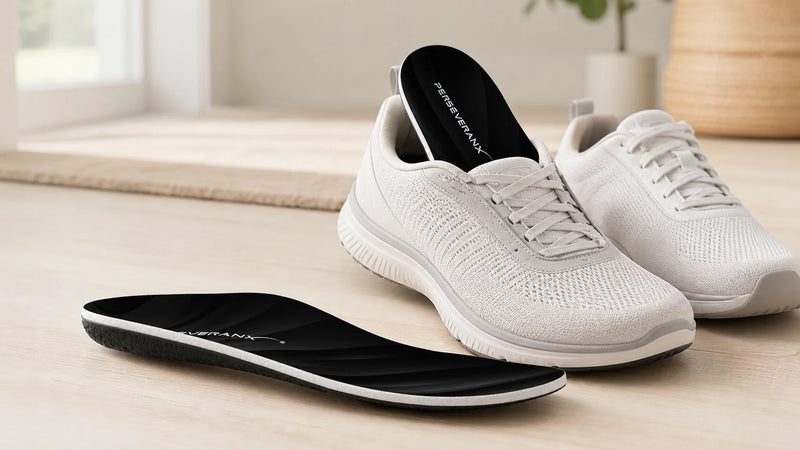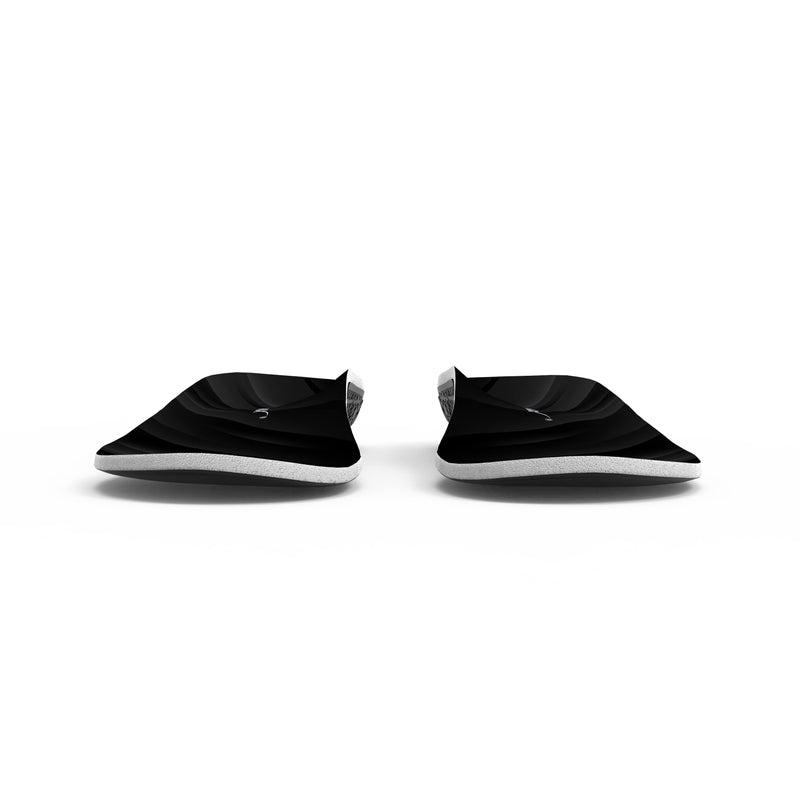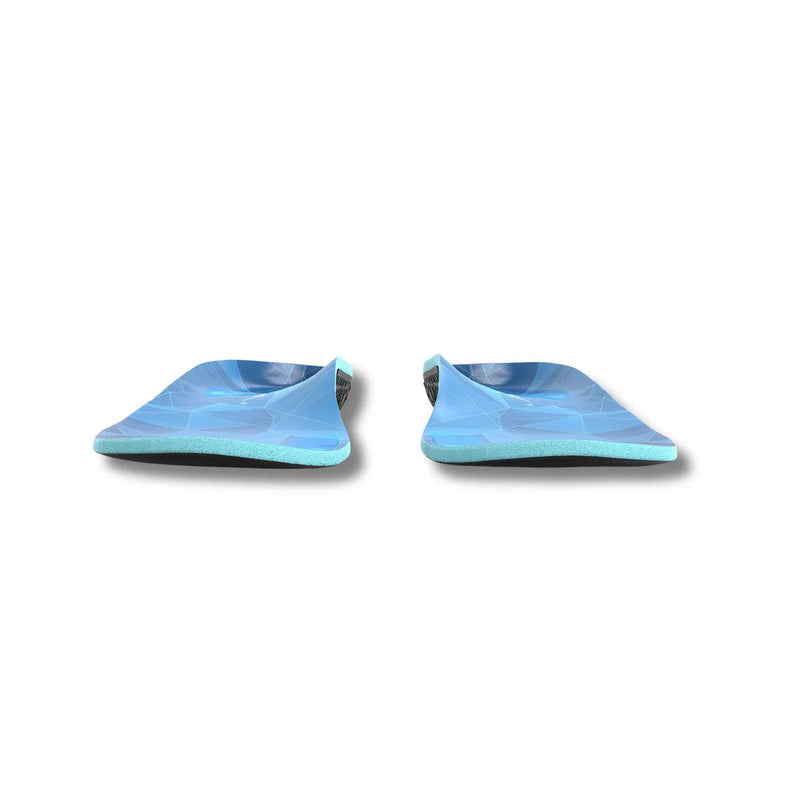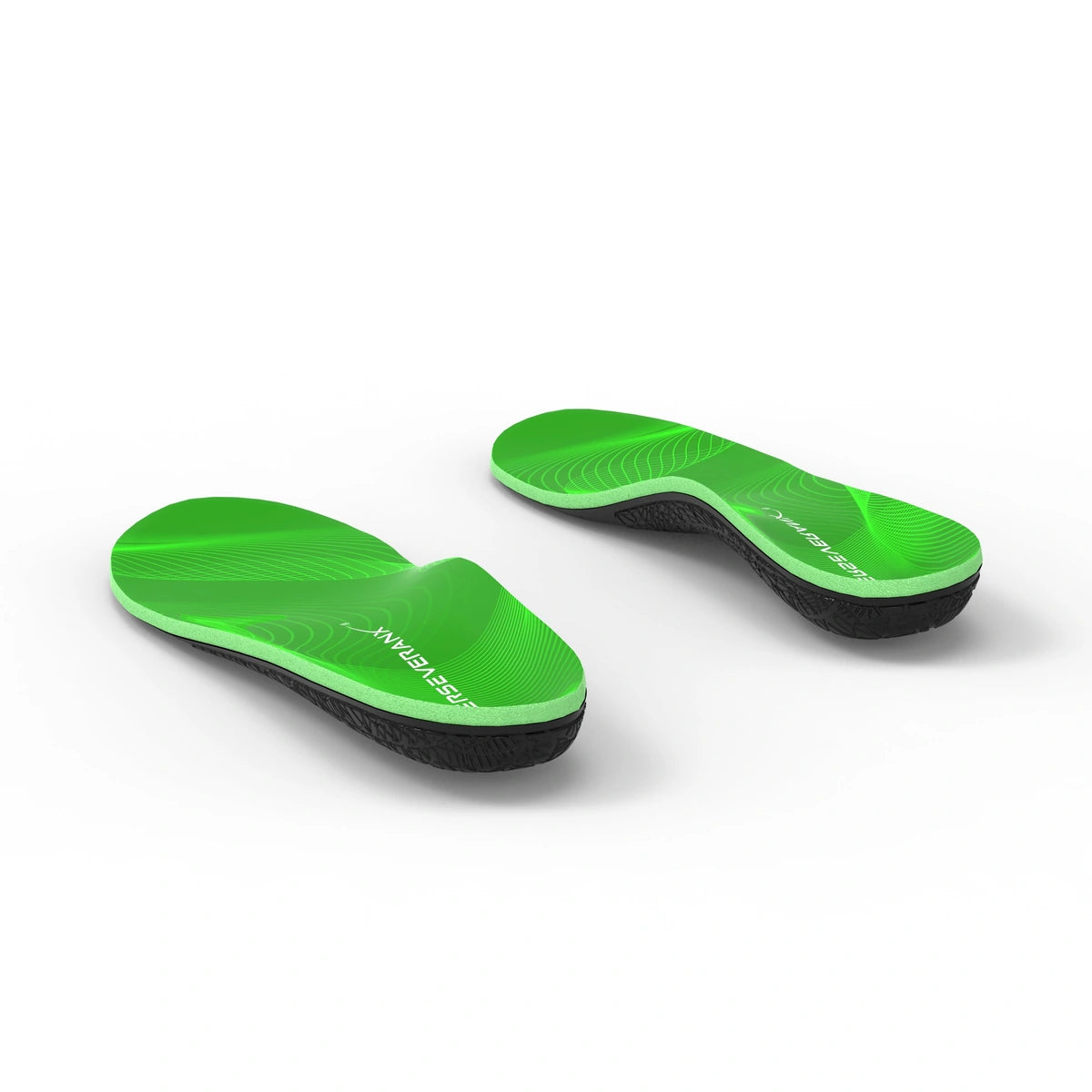
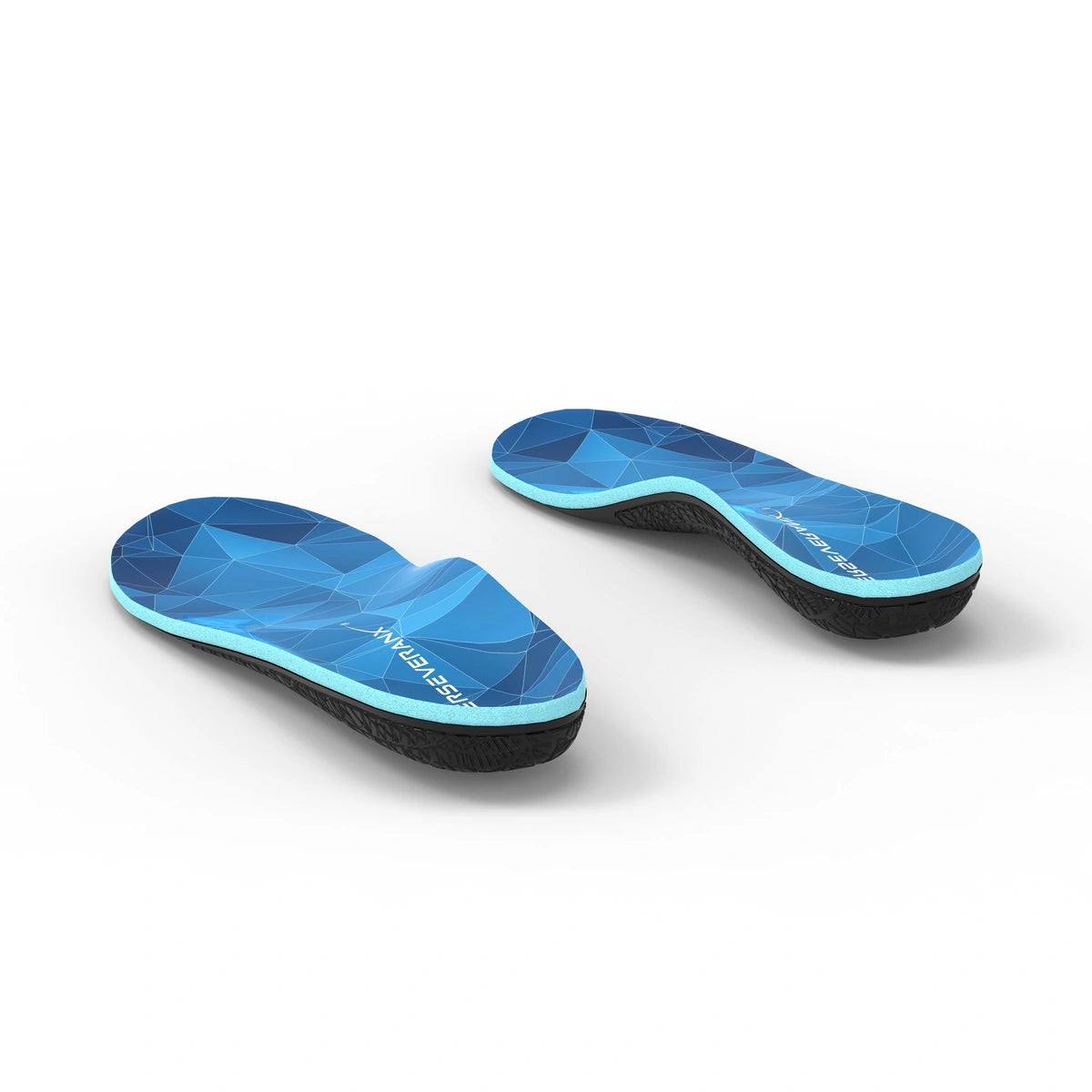
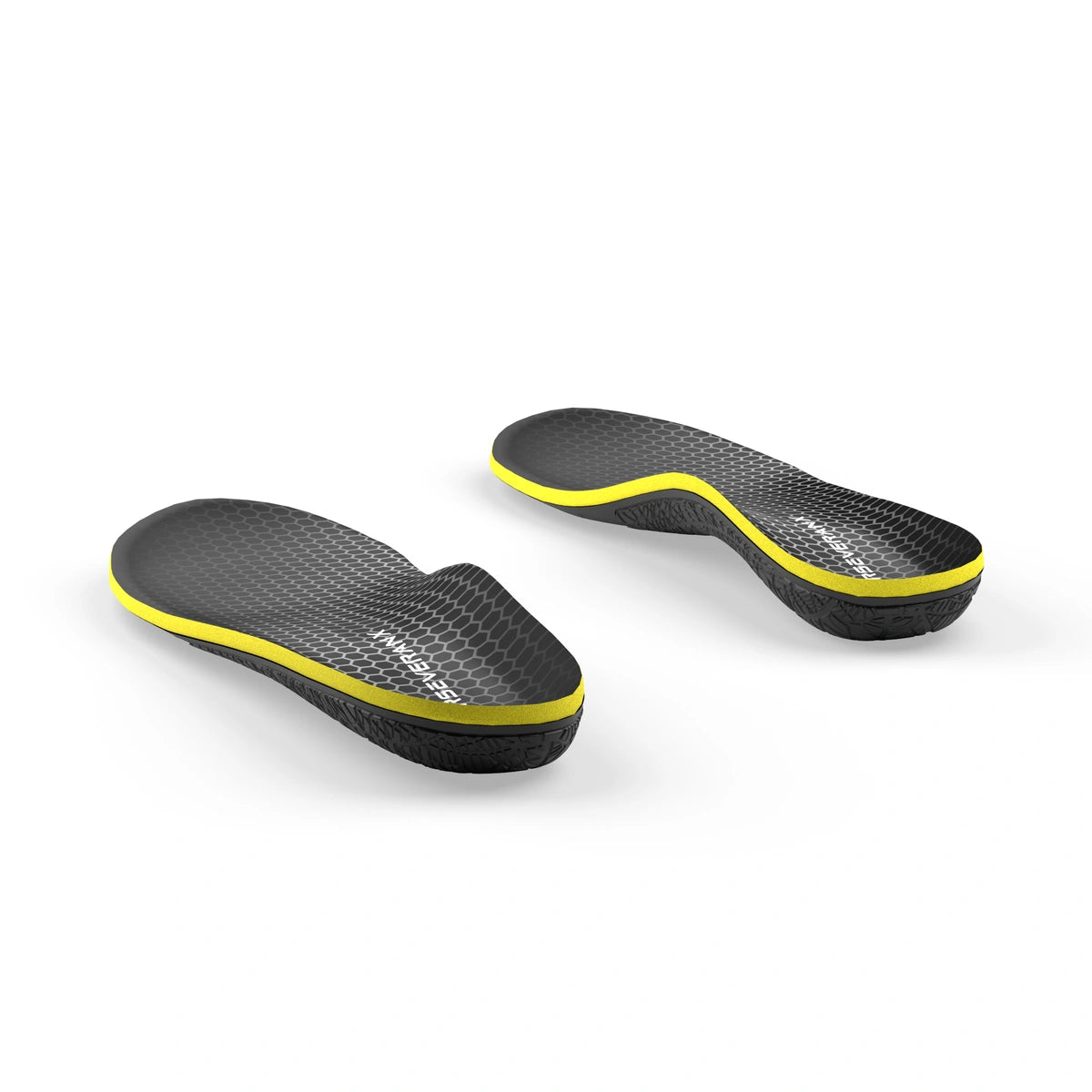
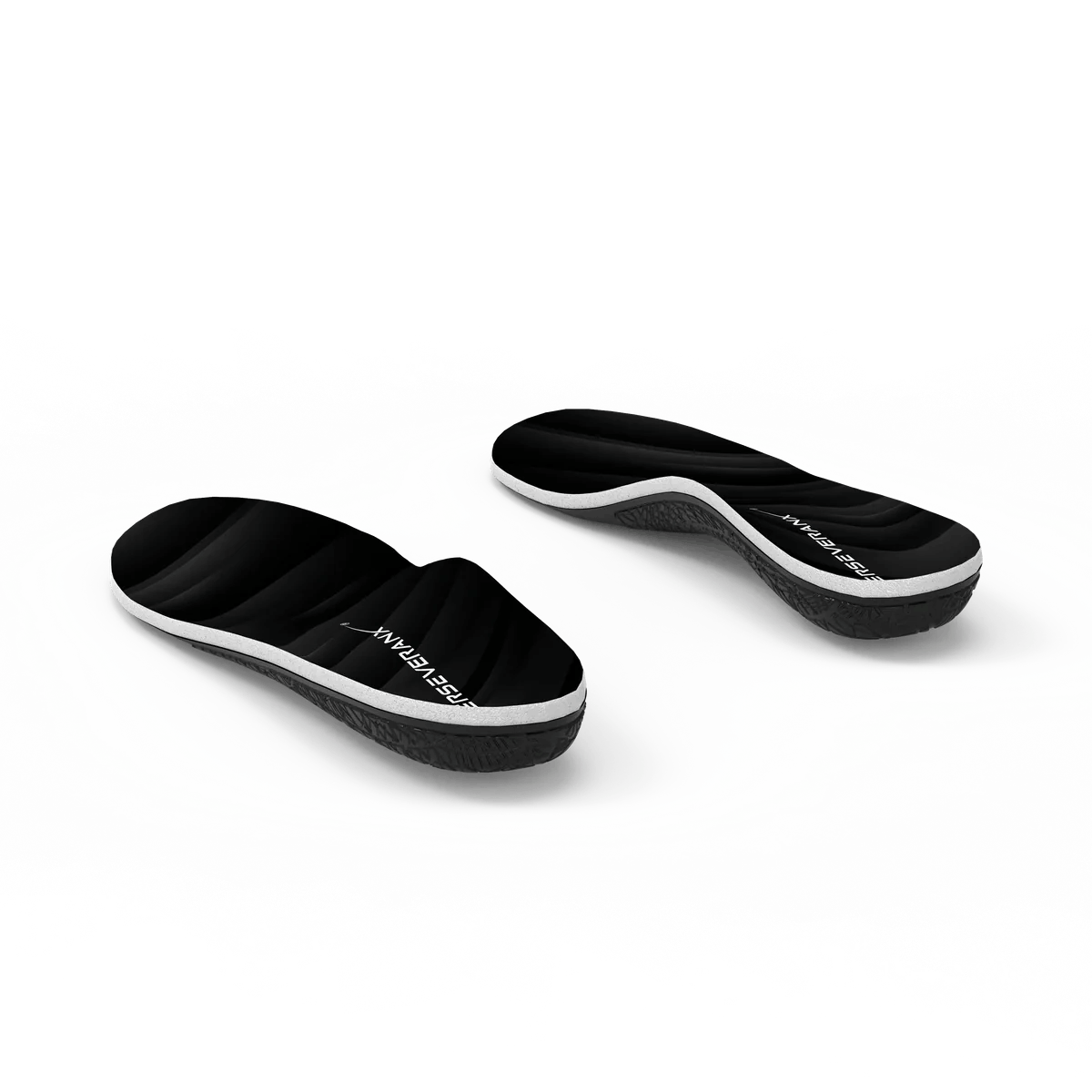
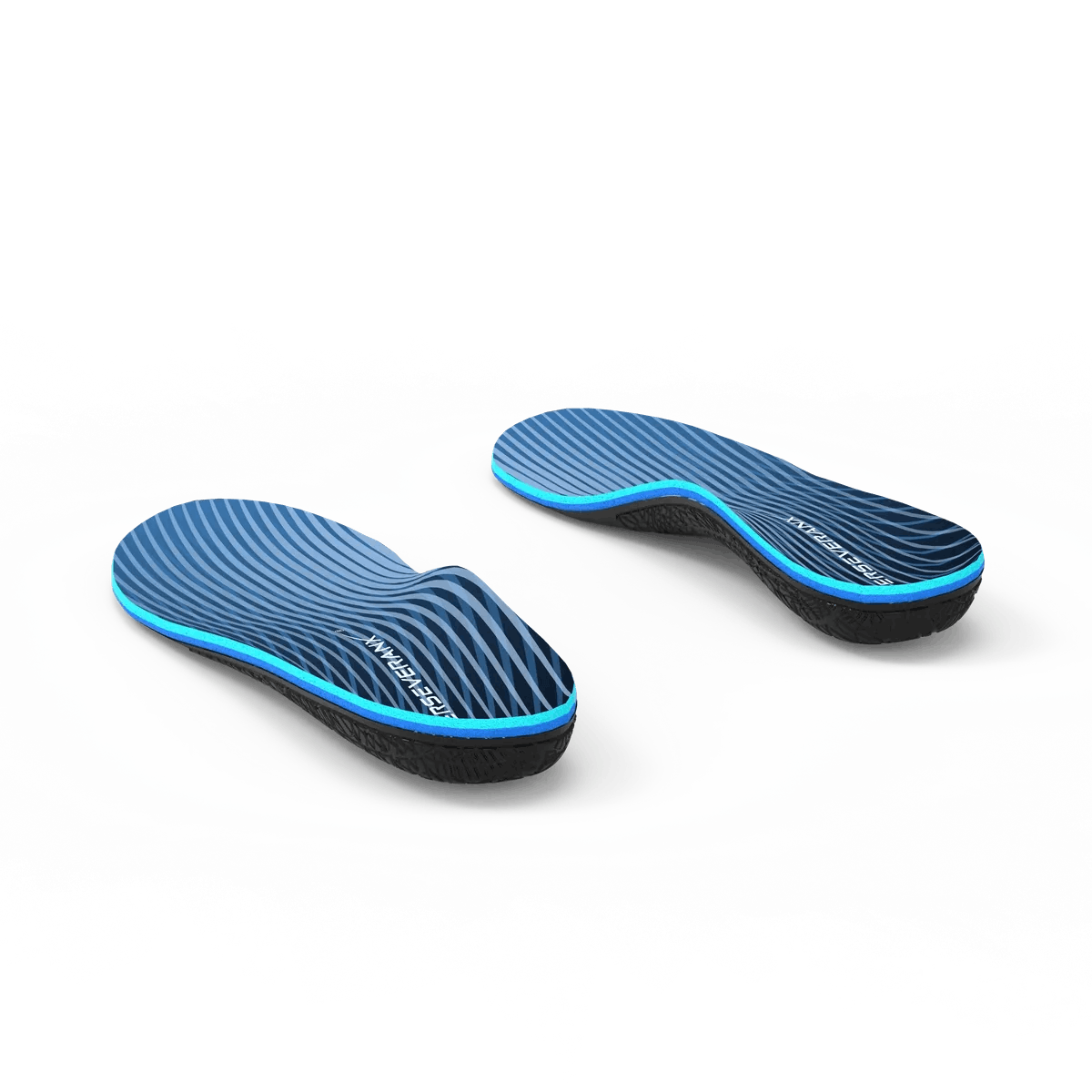
Good basketball insoles should add the underfoot feel you want while preserving the fit of your court shoes. Start with cushioning, arch contact and heel seating. Then check the whole combination during easy movements before taking it into a game.
Basketball involves landings, stops and changes of direction. The AAOS athletic-shoe guide recommends sport-appropriate footwear and checking heel grip, toe room and fit with the socks used for that activity. An insert belongs inside a well-fitting basketball shoe; it cannot supply the shoe's outsole traction or replace its upper.
Decide which cushioning response you want
Think about the sensation you prefer when pressure arrives and when it lifts. A pronounced spring, a softer sink and a firmer response are different experiences. Choose the one that feels comfortable and predictable in your own shoes.
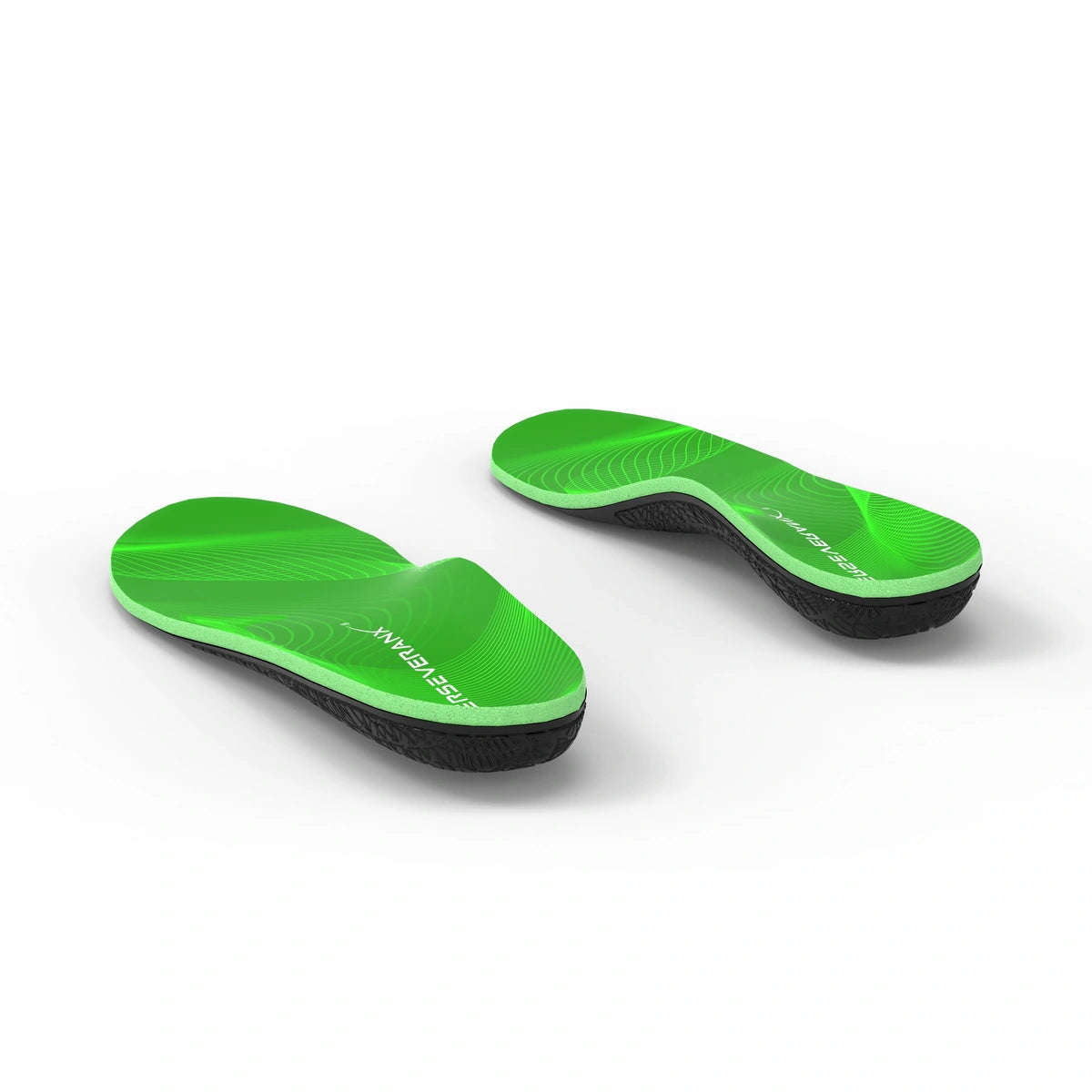
Bouncy provides pronounced spring as the cushioning rebounds. It suits someone looking for a more noticeable returning sensation beneath the foot. HoneyComb has impact-responsive cushioning that responds more firmly to rapid loading. It is a different material response, rather than simply another name for bounce.
Choose the response you enjoy while keeping comfortable arch contact and secure heel seating. Our guide to shock-absorbing insoles explains why rebound and cushioning need to be evaluated separately.
Look beyond the first press of a thumb
A cushion has to keep meeting your foot through repeated contacts. PerseveranX uses open-cell PU selected for recovery after pressure and resistance to lasting flattening. That matters because the cushioning feel you choose should be considered through repeated wear, alongside its softness at the first touch.
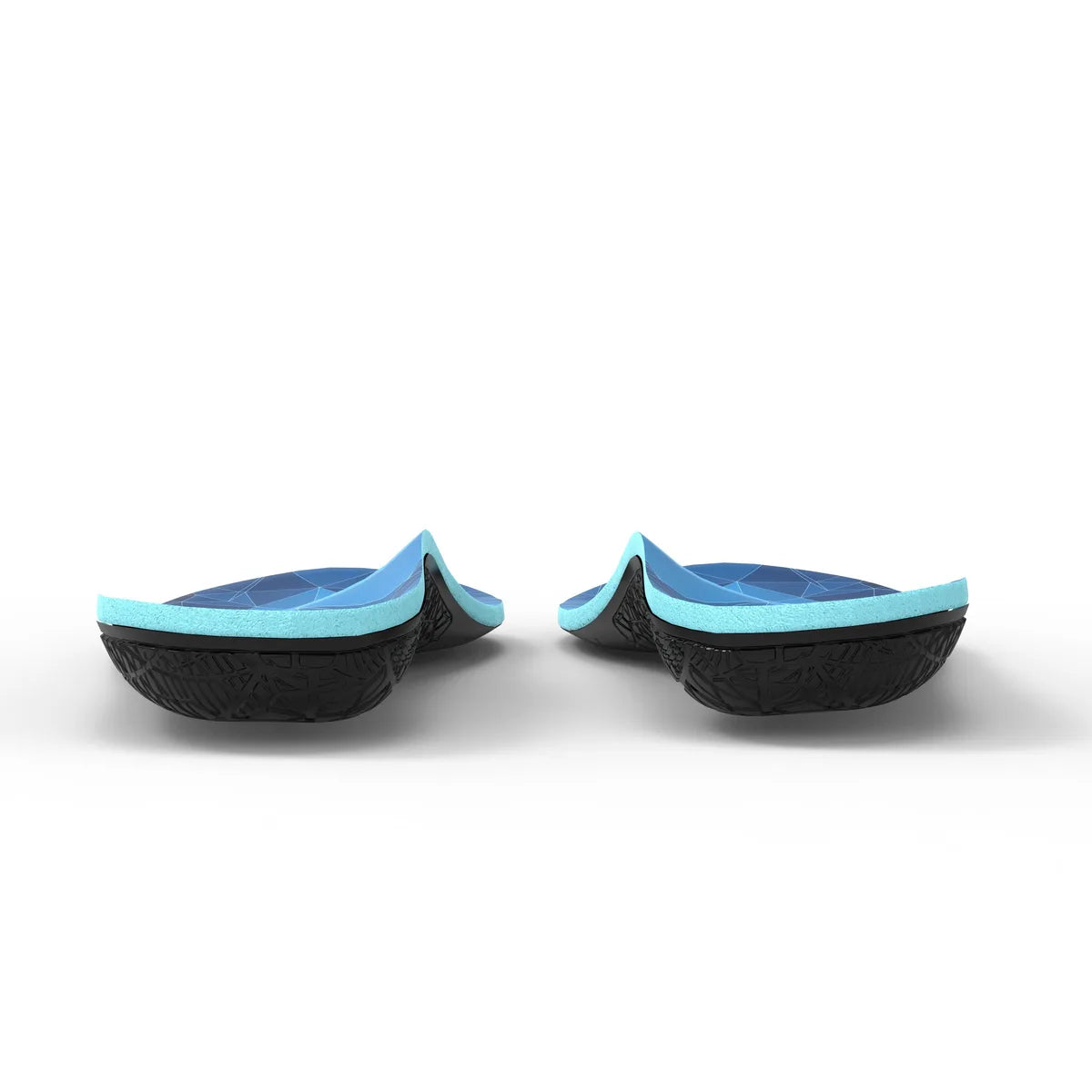
The shaped support frame beneath the comfort layers supports the arch and cradles the heel. The result is cushioning above a firmer foundation: a yielding contact surface combined with a defined shape beneath your foot. The support should fit comfortably inside the shoe you play in.
Check thickness before trimming
The cushioning layer is approximately 0.16 in (4 mm). Beneath it, the EVA comfort base is approximately 0.04 in (1 mm) at the forefoot and thicker toward the heel. The support frame adds contour beneath that construction. These numbers do not describe a uniform total height across the finished insole.
Remove your original liner if it is designed to come out, then compare the replacement using the size and trimming guide. Avoid automatically stacking inserts. If forefoot room is already limited, our width and shoe-space checklist will help you check the combination.
A short fitting sequence before court time
- Stand and lace normally. Check for toe pressure and make sure the heel remains seated.
- Walk and turn gently. Notice arch contact and whether the insert stays flat.
- Try easy, controlled court movements. Keep the first check below game intensity so you can pay attention to fit.
- Reassess any sharp pressure or unstable feeling. Stop if discomfort increases. Persistent pain or recurring ankle instability needs professional assessment.
Choose your cushioning preference with the feel finder, then confirm it in your actual court shoes. The useful upgrade is a comfortable, well-supported contact surface that works with the fit you already trust.