
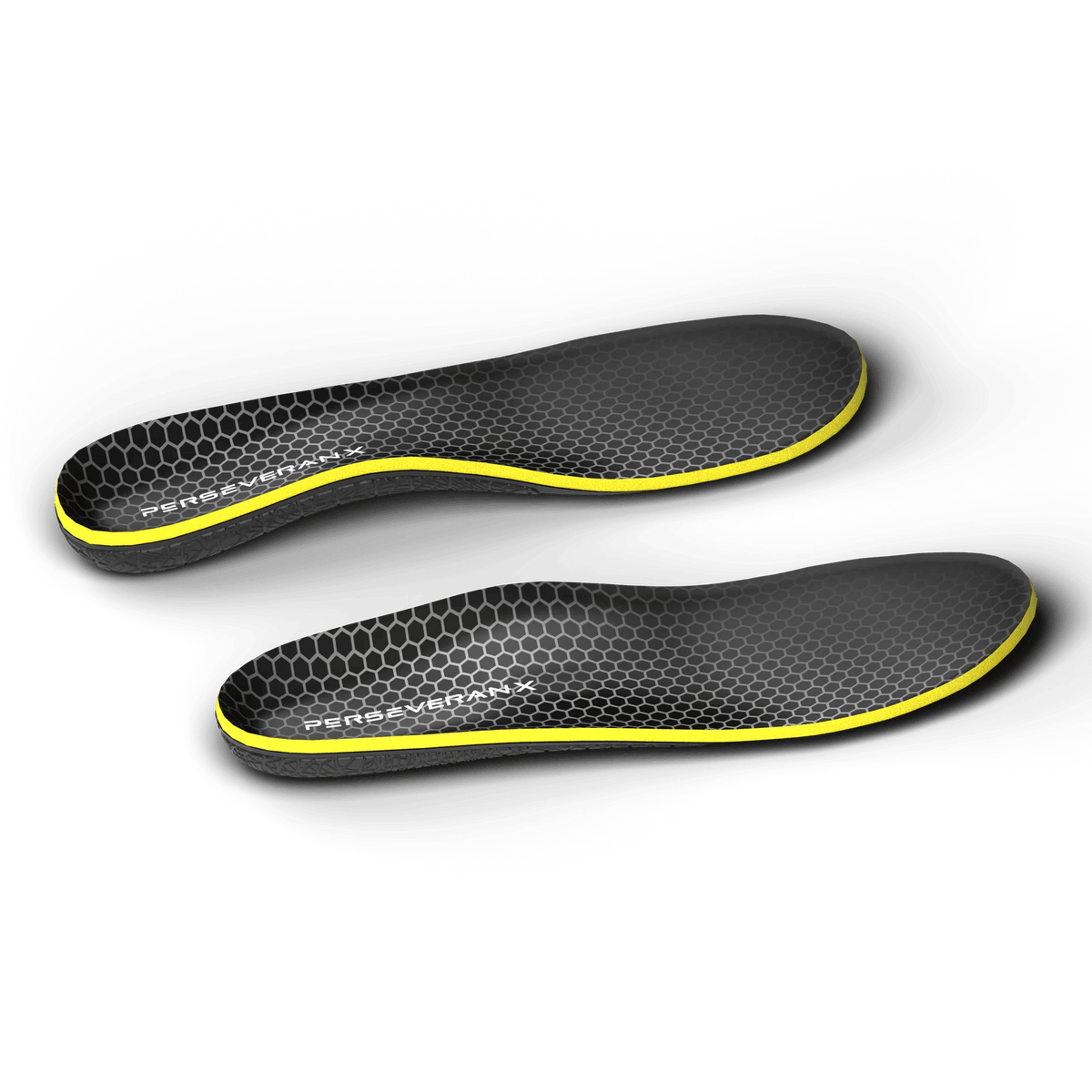
The best insole for a work boot gives you comfortable cushioning and arch contact while leaving enough room for your toes and a secure heel. Start with the boot you wear for the shift, then choose how soft or firm you want the surface beneath your foot to feel.
On concrete, behind a counter or moving between tasks, that contact adds up throughout the day. A well-fitting replacement can put a more welcoming surface inside boots you already rely on.
Check the boot before choosing the cushion
Remove the factory liner if it is designed to come out. Compare the replacement with it for width and length, and test with your usual work socks. A safety toe cap leaves limited space above your toes, so a liner that looks the right length can still make the boot feel crowded.
Keep the boot's protective requirements in view. The Canadian Centre for Occupational Health and Safety recommends checking with the manufacturer whether adding inserts affects the footwear's protection. Follow your employer's requirements for your particular boots; see CCOHS safety-footwear guidance.
Choose how you want your boots to feel

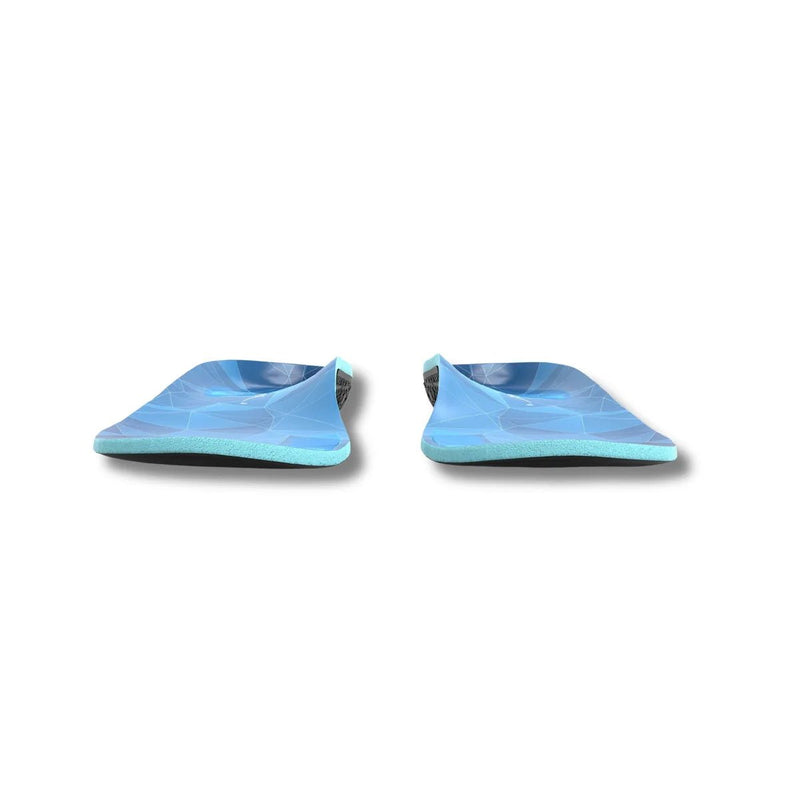
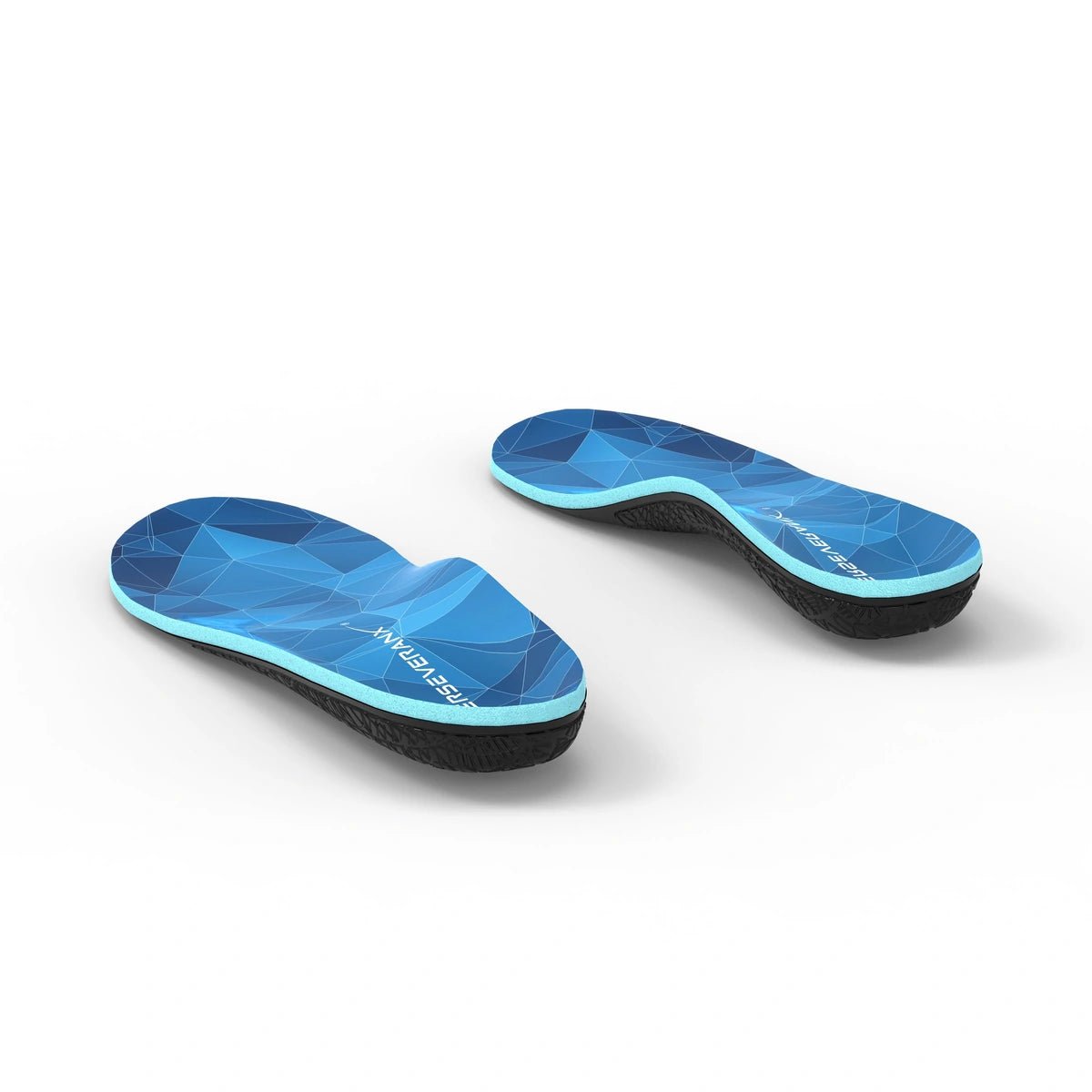
Embrace
Softly contouring. Low bounce.
For gentle, settled contact while you stand and move between tasks.
Shop Embrace
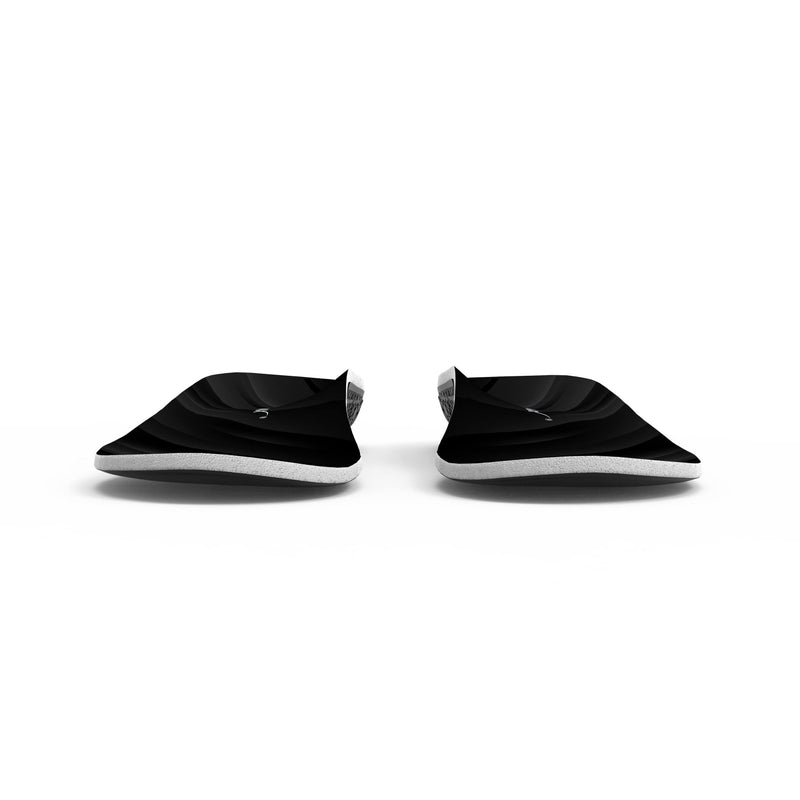
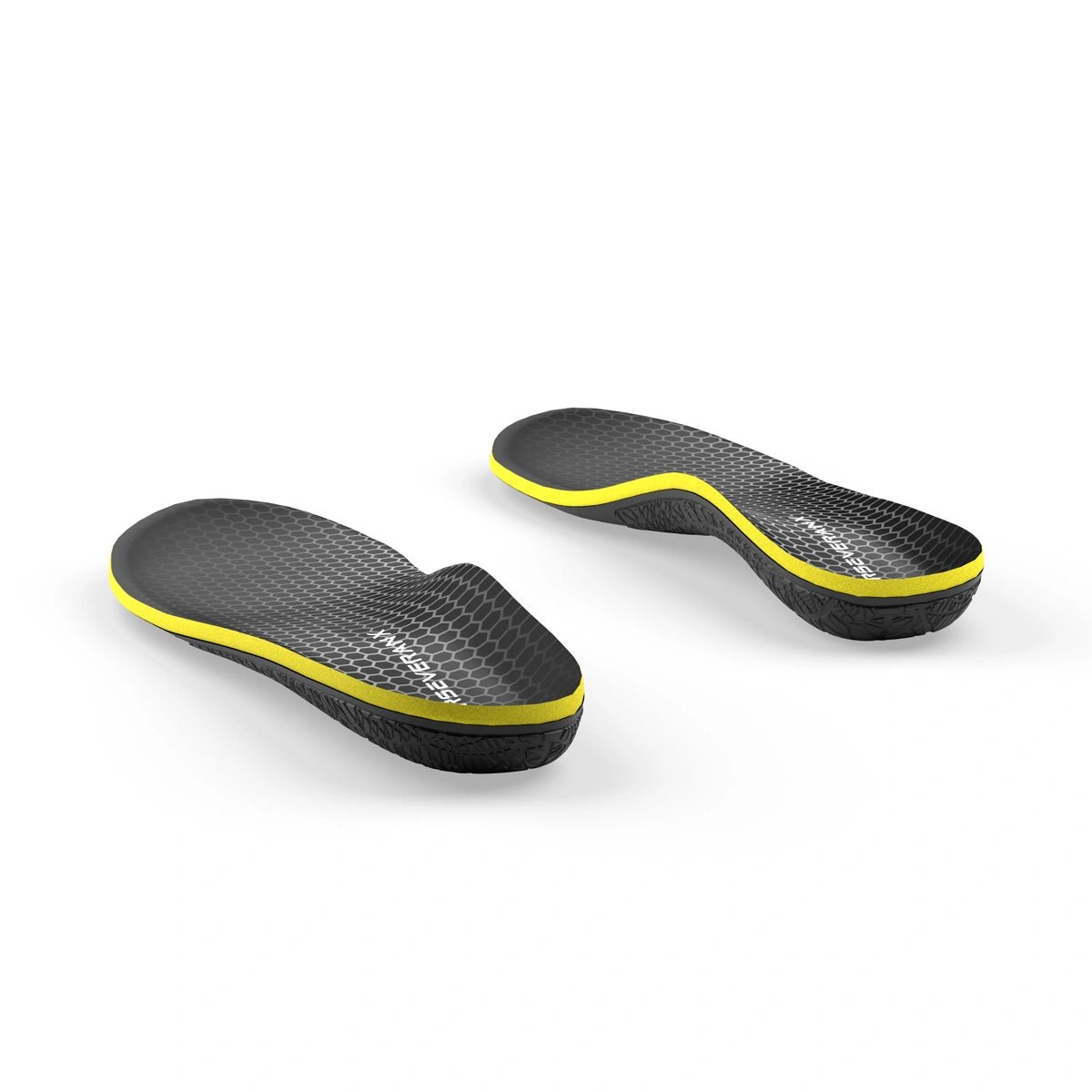
Fusion
Firmer cushioning. Low bounce.
For a more substantial feel if softer foam feels too easy to sink into.
Notify me about FusionFusion availability: Fusion is temporarily unavailable and is not accepting orders. Restock timing is not yet confirmed. Request a notification for your size.
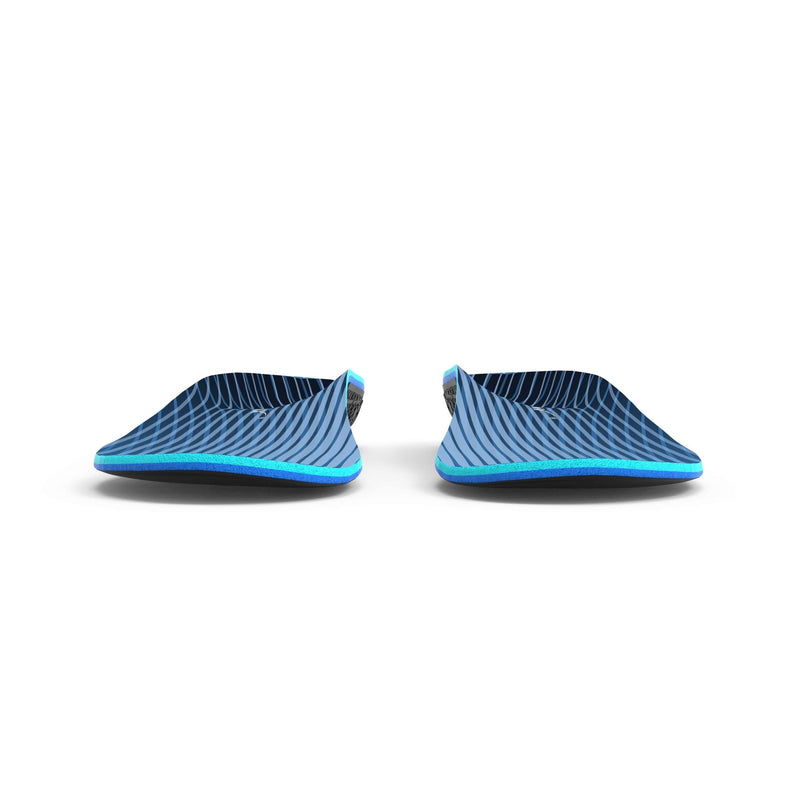
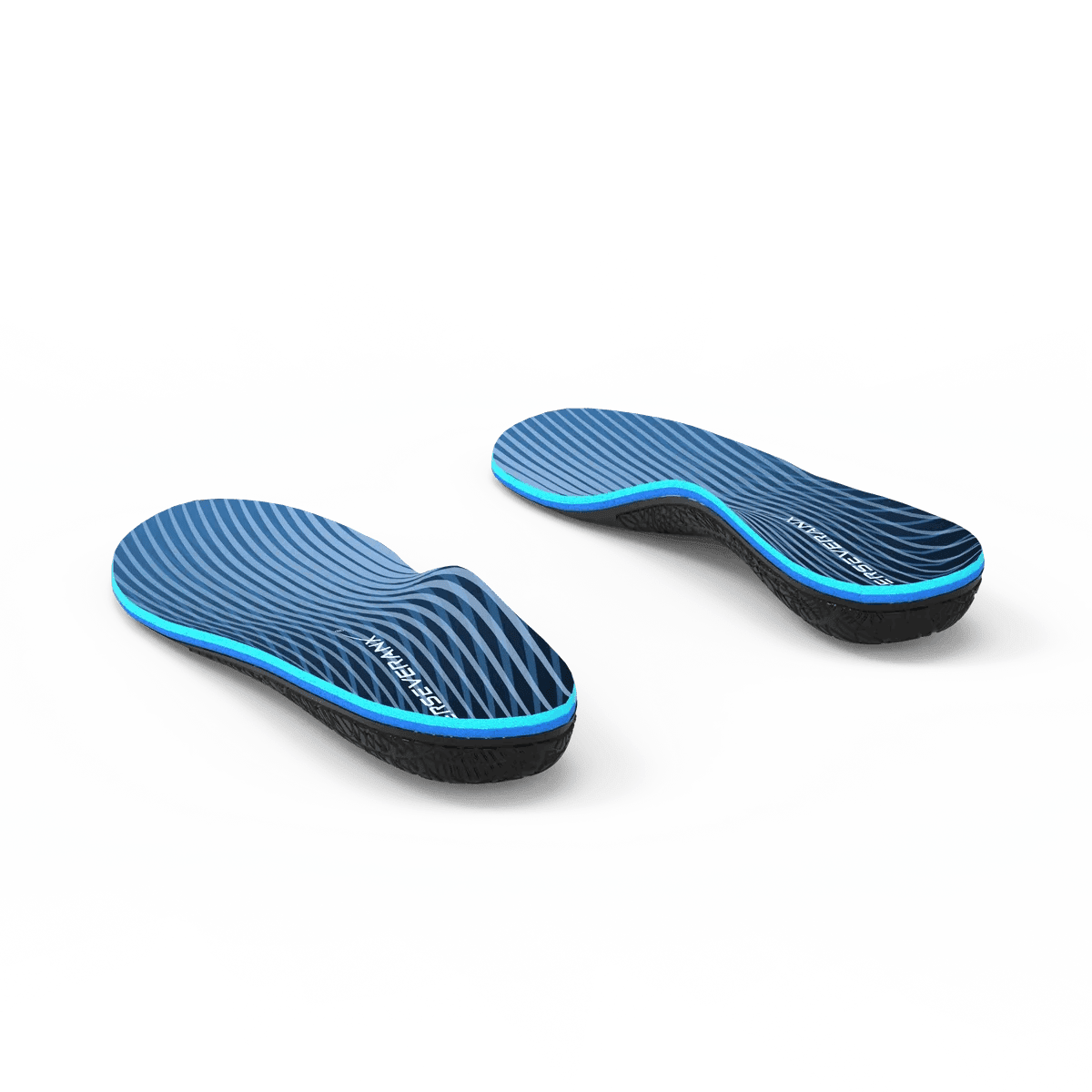
HoneyComb offers another response: flexible under gradual pressure, with a firmer response when impact arrives quickly. That response is different from Fusion’s consistently firmer cushioning feel. It does not change the protective rating of your boots.
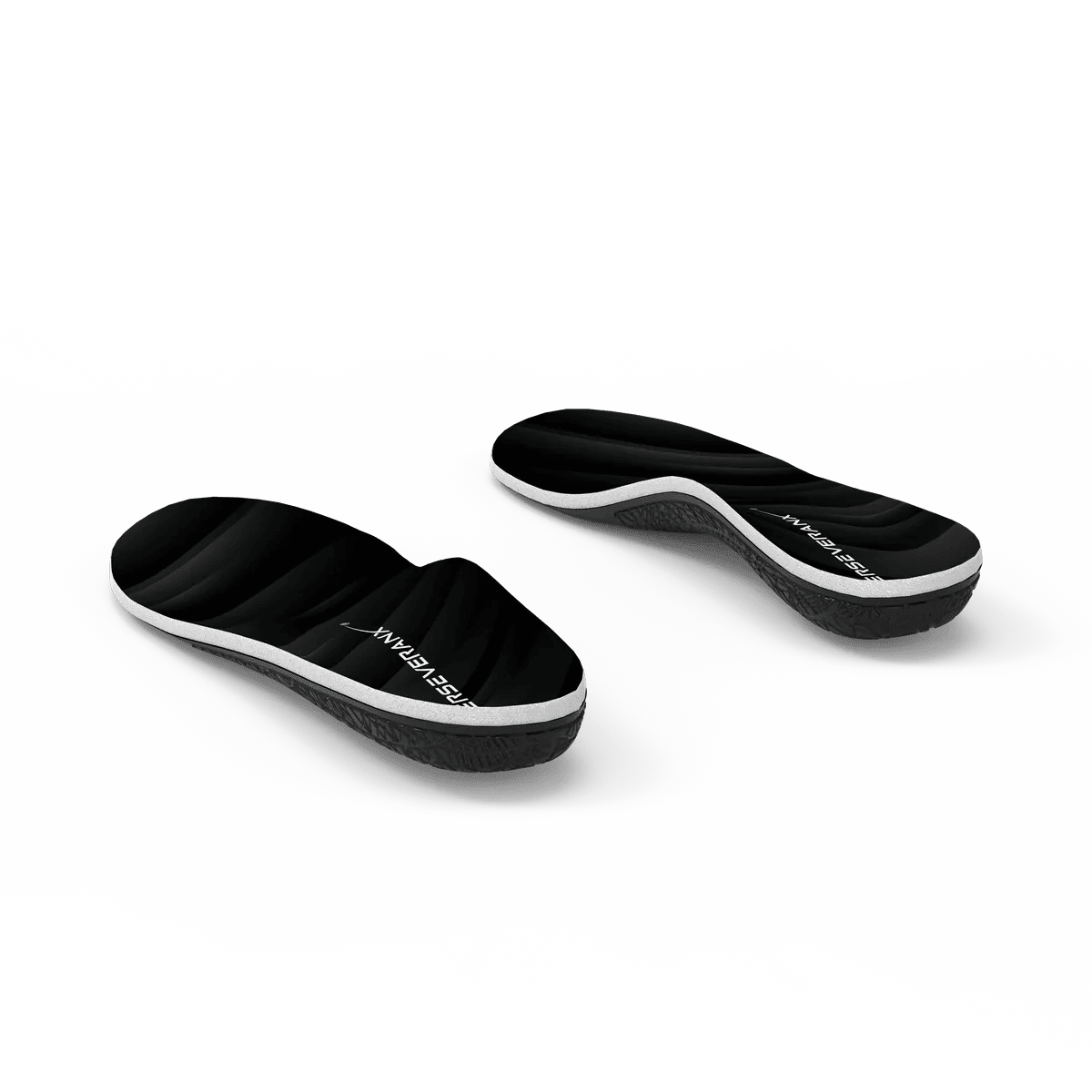
These three options share the same high-arch support concept. Compare them in the work-boot collection. For soft cushioning with more spring, Plush is also part of our broader standing collection, provided the shoe fit works.
Look for cushioning beyond the first hour
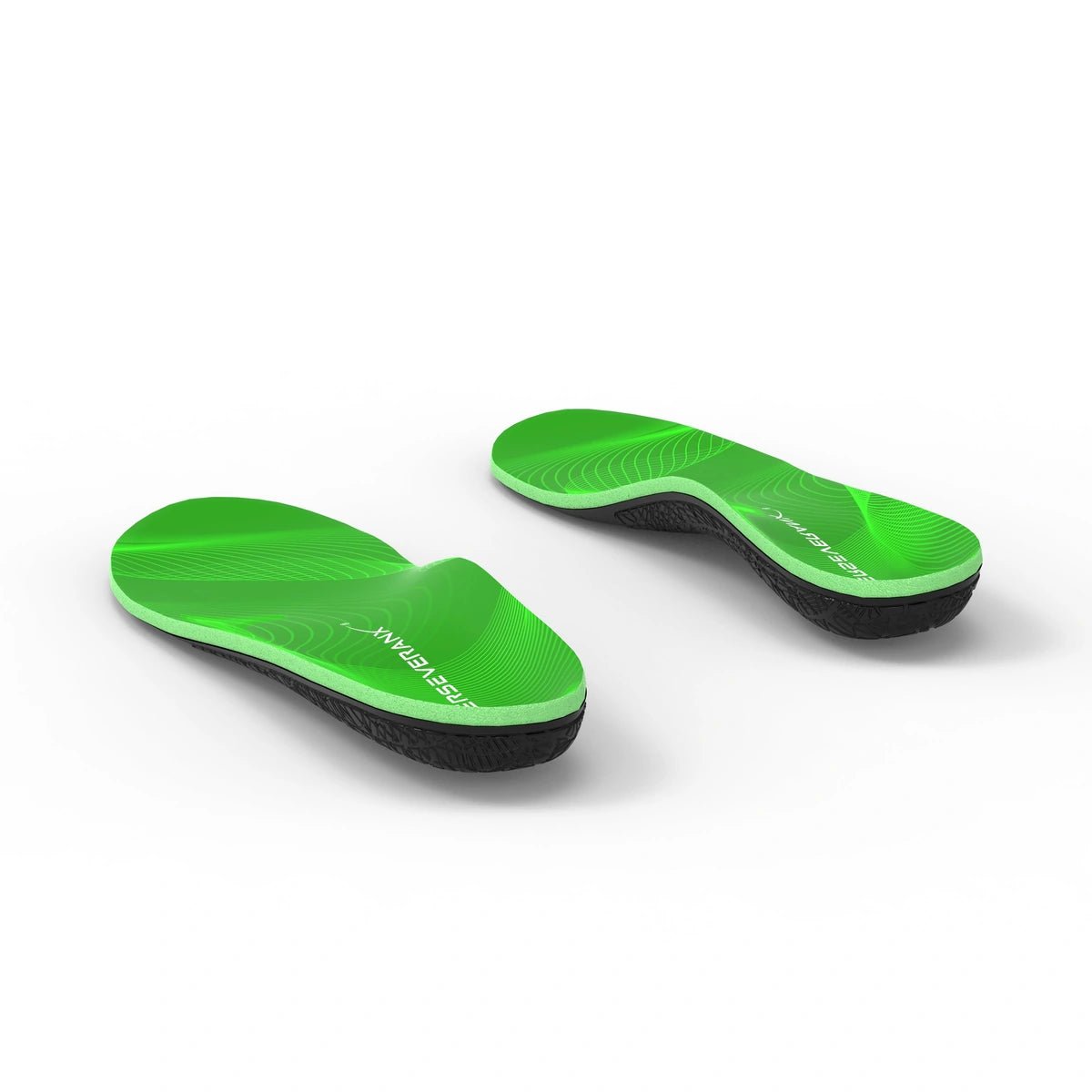
All five PerseveranX models use open-cell PU materials selected for recovery after pressure and resistance to lasting flattening. That helps preserve the cushioning you chose through repeated wear. Read why foam recovery matters if your previous liners have developed a lasting flattened area.
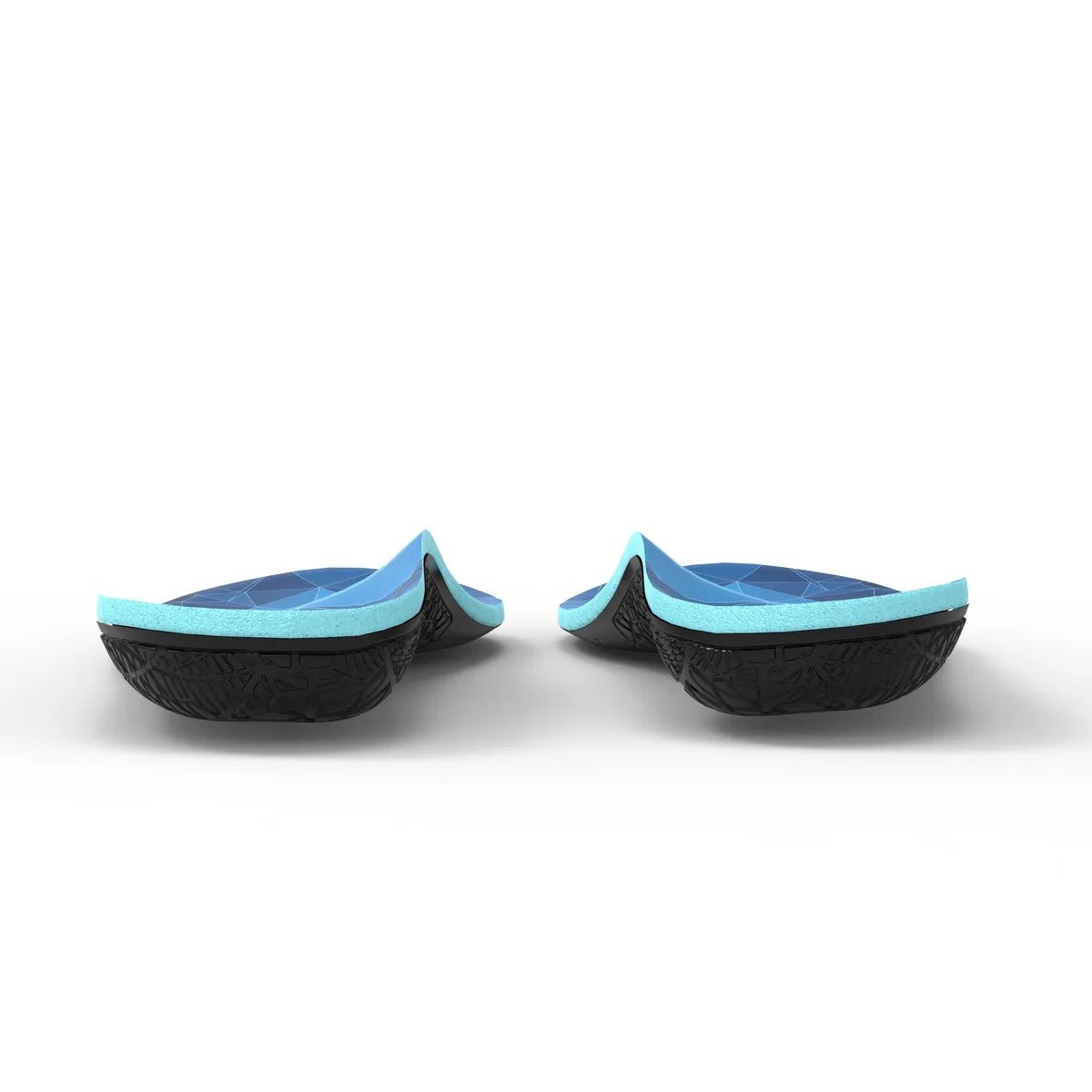
The cushion sits above a contoured comfort base and a firm frame that supports your arch and cradles your heel. The surface can yield while the foundation keeps its defined shape. These different jobs are explained in our cushioning and support guide.
A five-minute fit check before your next shift
- Seat the insert: place its heel fully back and make sure the forefoot lies flat.
- Trim gradually: use the original removable liner as a guide, trimming only the forefoot as needed. Keep the heel and support frame intact.
- Lace as usual: the fit should not depend on leaving the boot unusually loose.
- Check contact: your heel should sit securely, your toes should have room, and the arch should feel supportive without a sharp pressure point.
- Try a short wear period: walk and stand before committing to a full shift. Reassess if discomfort builds.
Use the size and shoe-fit guide before trimming. Adding an insole to boots that are already too tight rarely creates a better fit.
Give the rest of your day some support too
Where the job allows, alternate standing with sitting or movement and check that your footwear is in good condition. CCOHS includes cushioned footwear and insoles among options for work on hard floors in its foot-comfort guidance.
Can work-boot insoles fit steel-toe boots?
Only if there is enough room for the full insert and your foot, and the boot maker allows that insert. Check toe clearance, heel hold and any safety, electrical or other workplace requirements. An insole should not make you loosen your boots unusually to tolerate the fit.
Better contact inside the boots you trust.
Start with the boot fit. Then compare soft, firmer and impact-responsive cushioning over shaped support.
Shop work-boot insolesFor help choosing a surface feel, read soft vs. firm insoles or take the quiz.