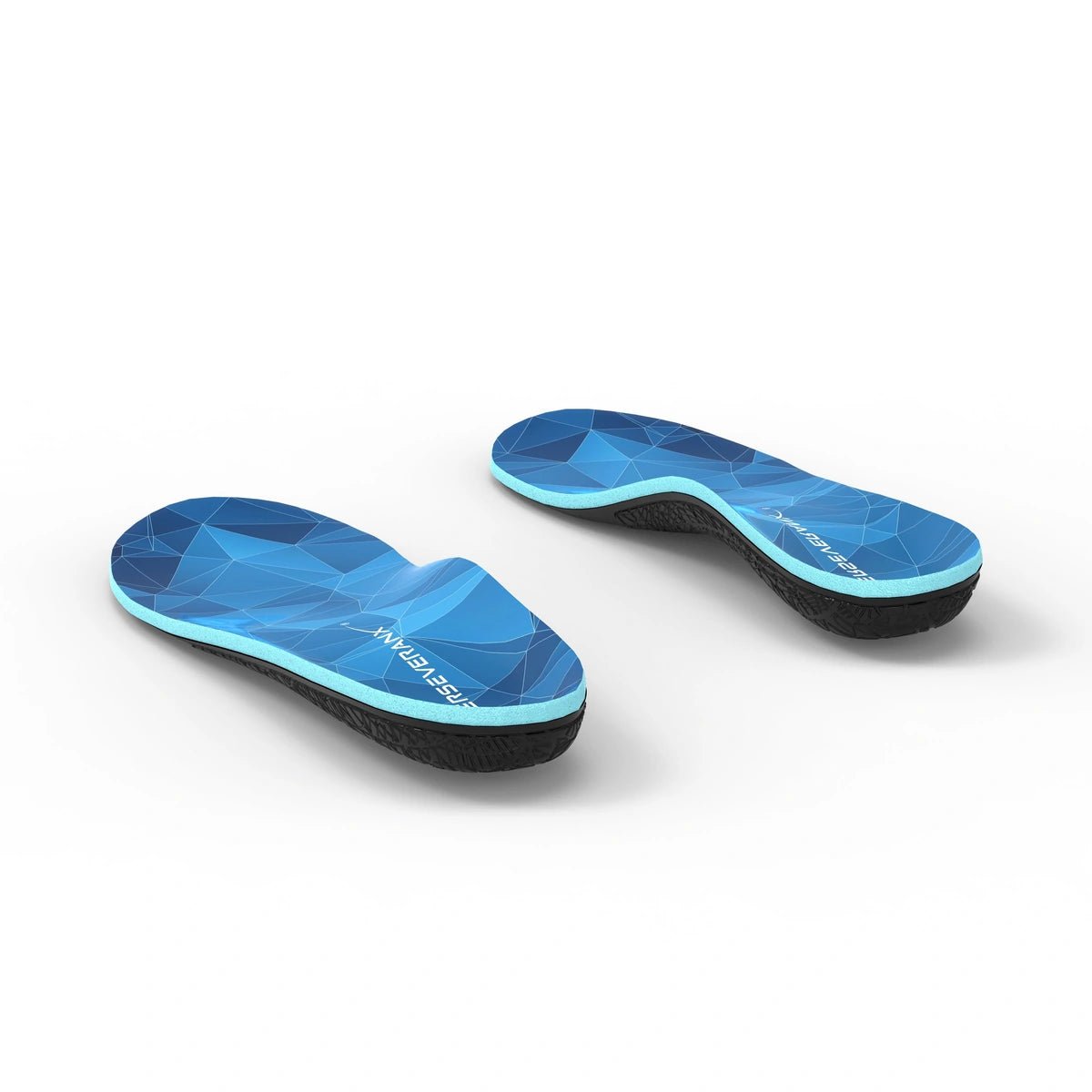
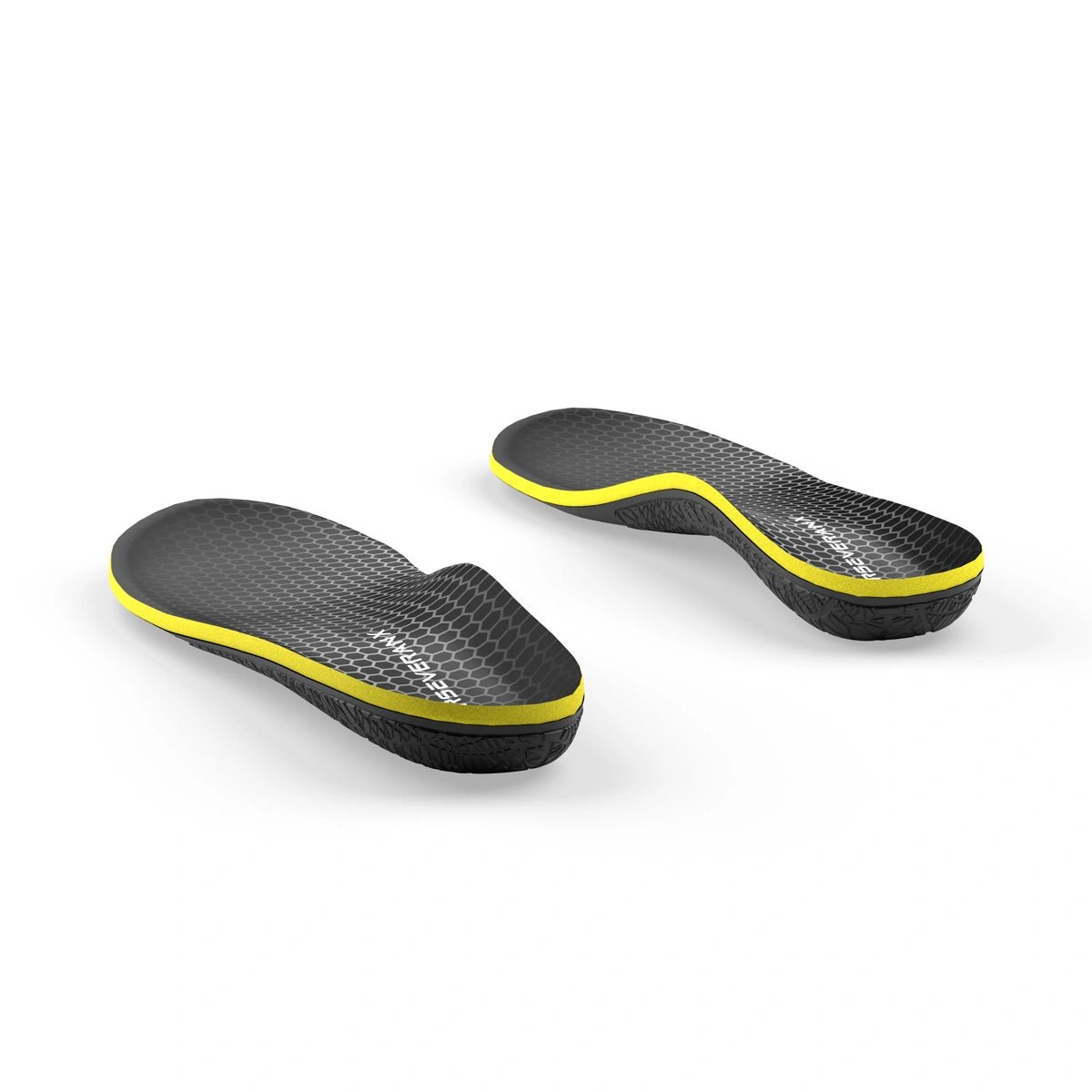
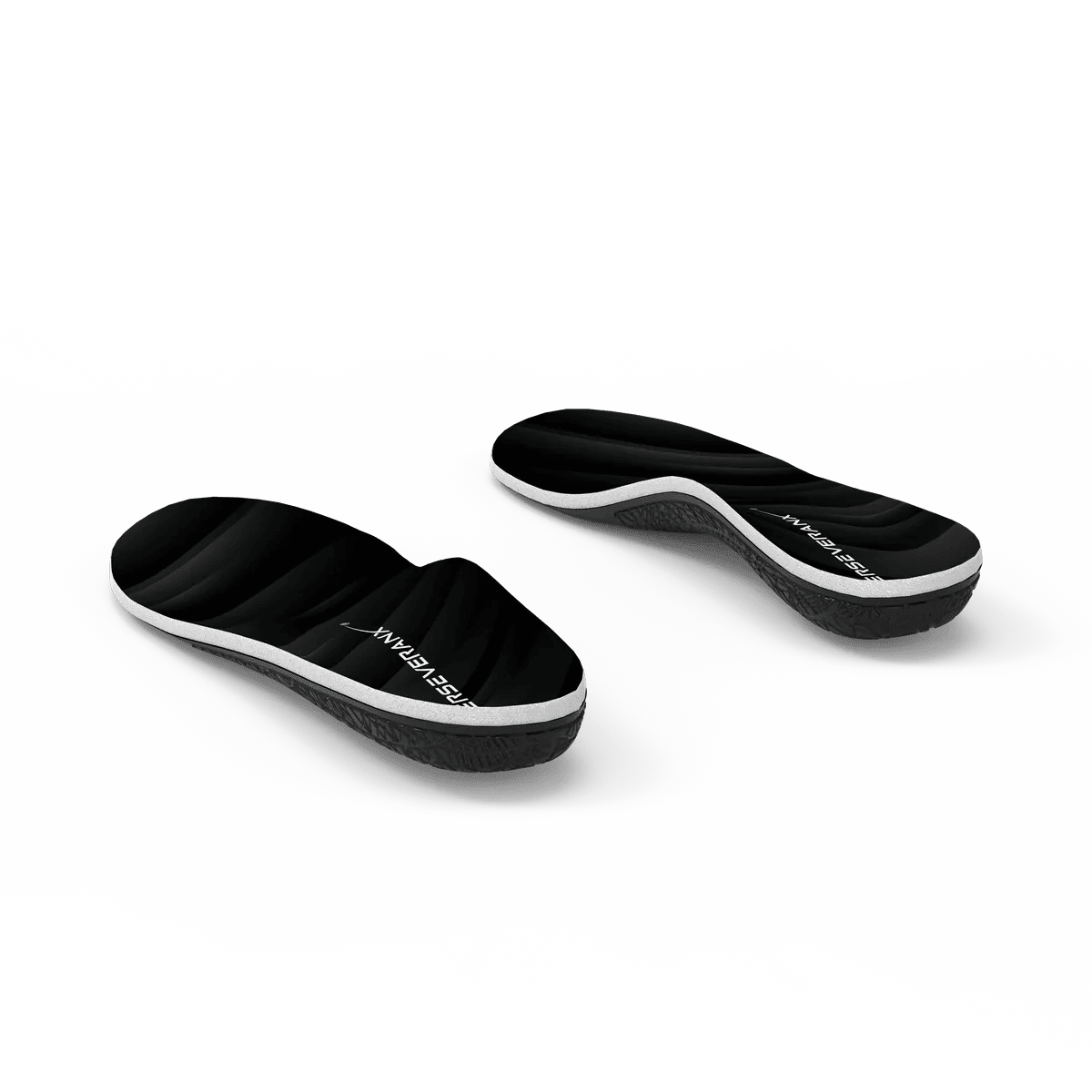
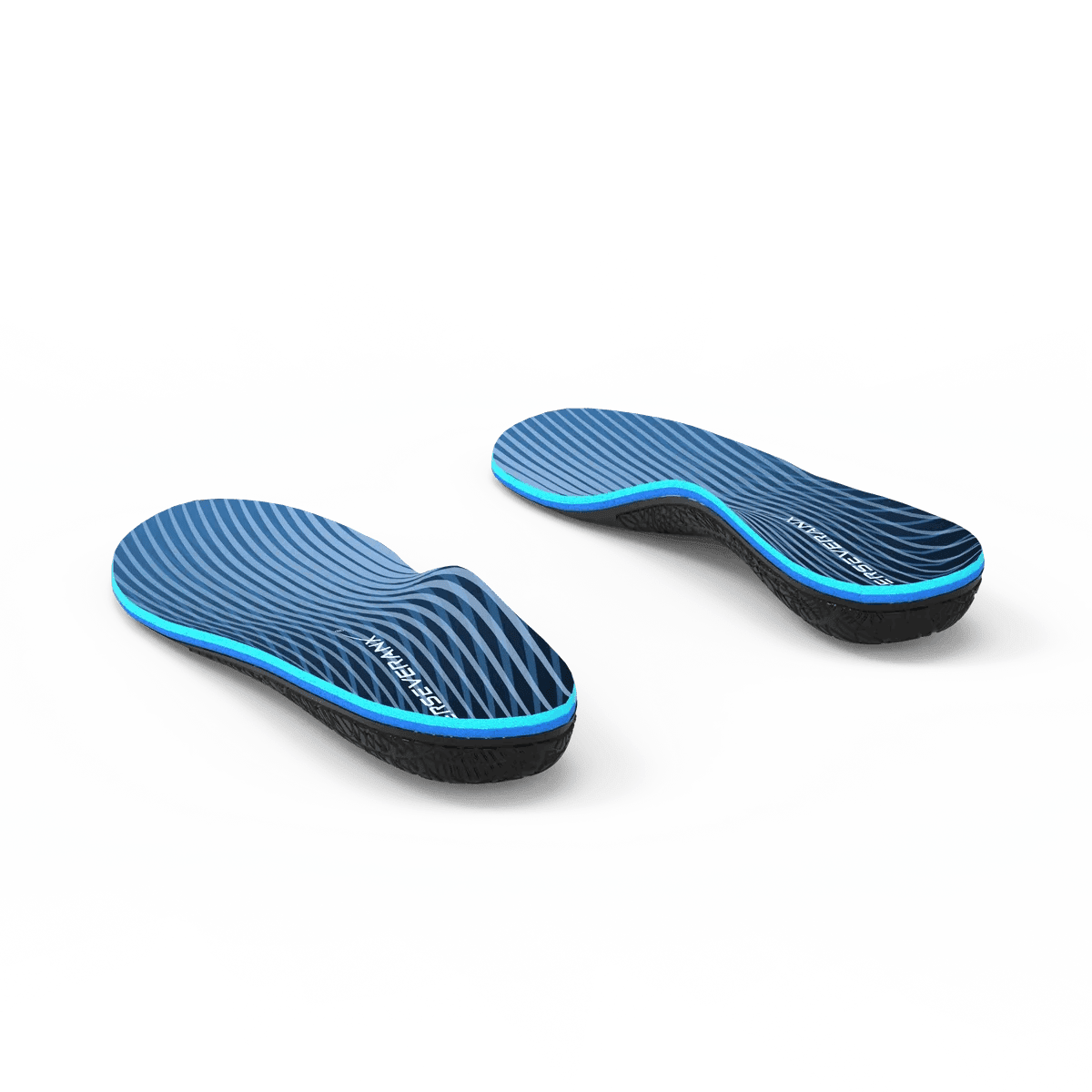
Open-cell and closed-cell describe the structure inside a foam. For an insole, the practical question is how that structure and its formulation translate into cushioning: how it yields under your weight, how it recovers, and how the complete insert feels after repeated use. With PerseveranX, the cushion yields under each step and recovers when unloaded to help preserve its chosen feel across a day of wear.
PerseveranX uses open-cell polyurethane cushioning across all five models. We choose these materials for a combination of comfort, recovery after pressure and resistance to lasting flattening. The aim is cushioning you enjoy beyond the first impression.
What is the difference between open-cell and closed-cell foam?
Open-cell foam has interconnected cells; closed-cell foam has more enclosed cells. These structures influence material behavior, but formulation matters too. Two foams with the same cell description can have different firmness, rebound and resistance to compression set. With PerseveranX, the cushion yields under each step and recovers when unloaded to help preserve its chosen feel across a day of wear.
PerseveranX uses open-cell PU cushioning with distinct firmness and rebound characteristics. It yields under pressure and recovers when unloaded, helping preserve the chosen feel across a day of wear. This does not establish a fixed service life or mean a finished insole can never wear out. See how cushioning and support work together.
Compression is useful. Lasting flattening is different.
A cushion needs to give under your weight. That movement creates the yielding contact you feel beneath the heel and forefoot. When the pressure lifts, recovery prepares the material for the next contact.
Compression set refers to deformation that remains after compression and recovery under defined conditions. In everyday language, think of a lasting dent rather than the temporary impression made while you are standing on a cushion. Resistance to that lasting change is an important reason we choose our open-cell PU materials.
For your day, the value is straightforward: maintaining a cushioned surface through repeated steps, instead of choosing only for the soft feel of a new pair. Our guide to the complete insole shows how that material works with the support frame.
Why equal thickness can feel so different
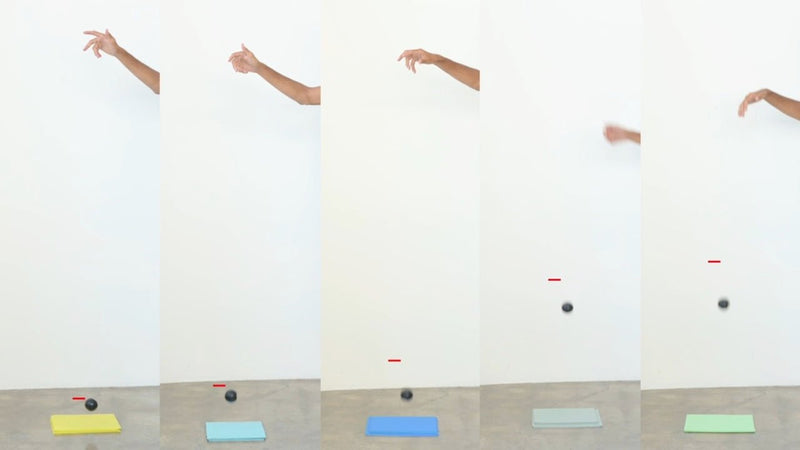
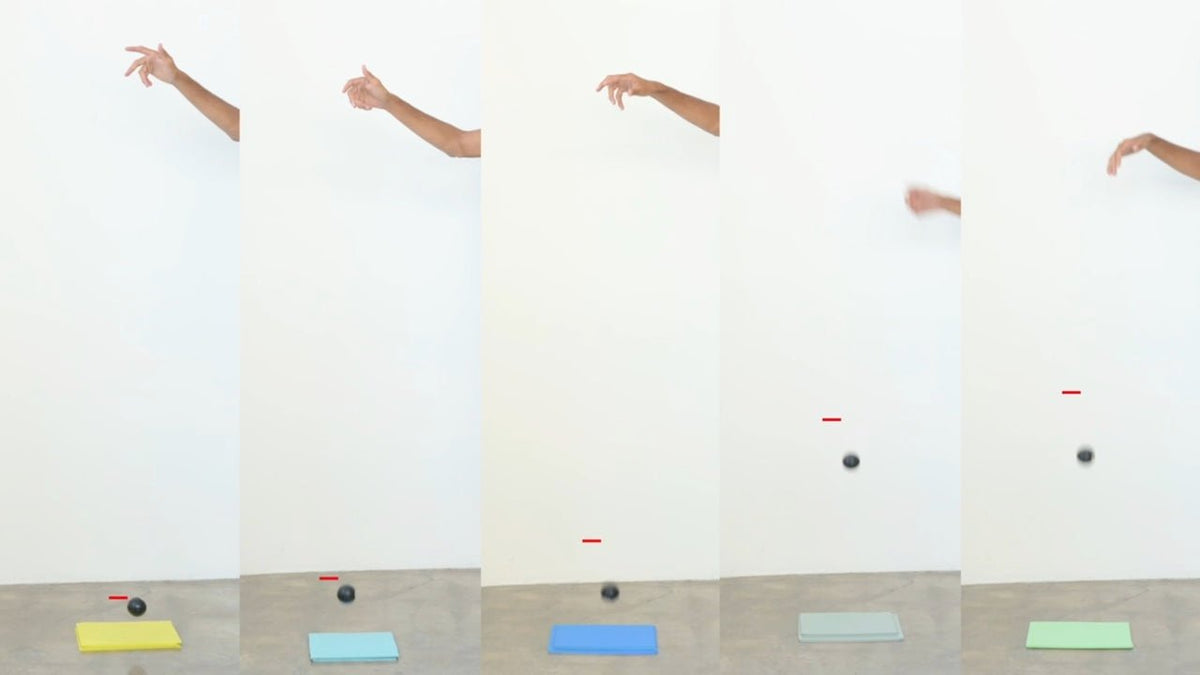
Every PerseveranX model has approximately 0.16 in (4 mm) of cushioning. Yet Embrace offers soft contouring with low bounce, while Bouncy has a more pronounced spring. The difference comes from the cushioning response, rather than simply adding more thickness.
A firmer feel can still be cushioned: Fusion has less sink than Embrace while staying low-bounce. Likewise, softness and spring can coexist, as they do in Plush. Decide whether you want a cushion to settle into or a livelier response as you move.
Read the whole insole, not just the foam label
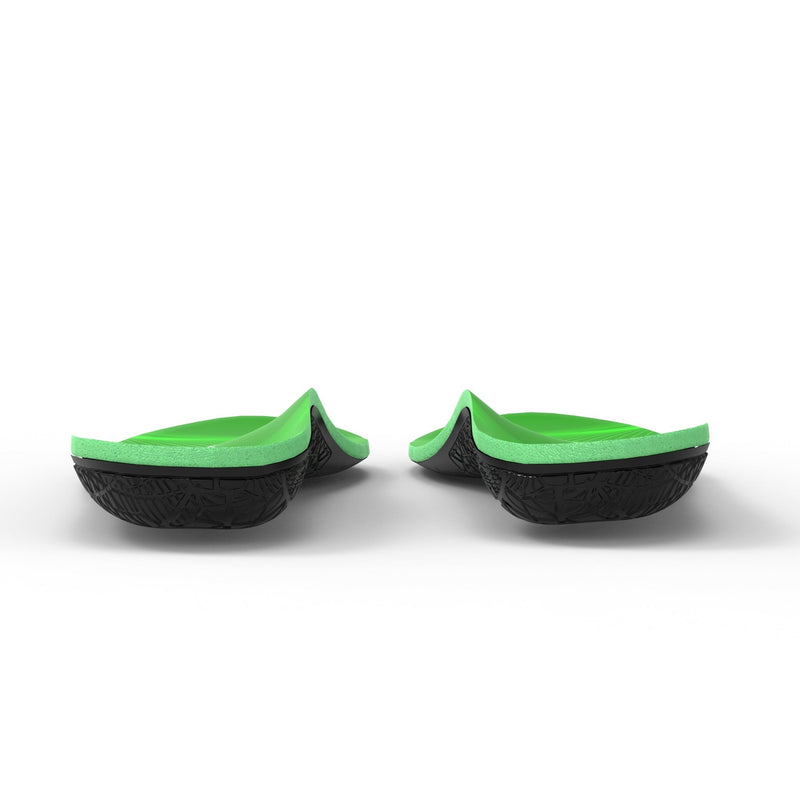
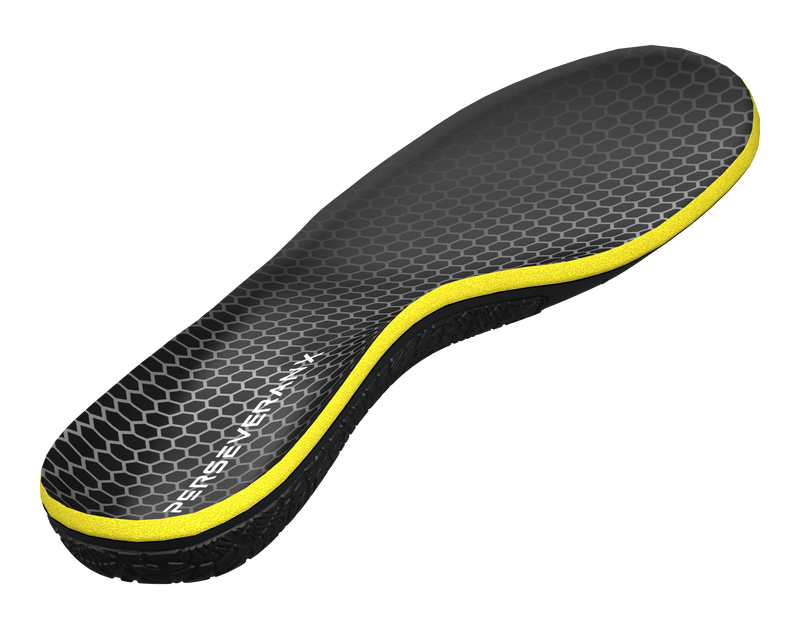
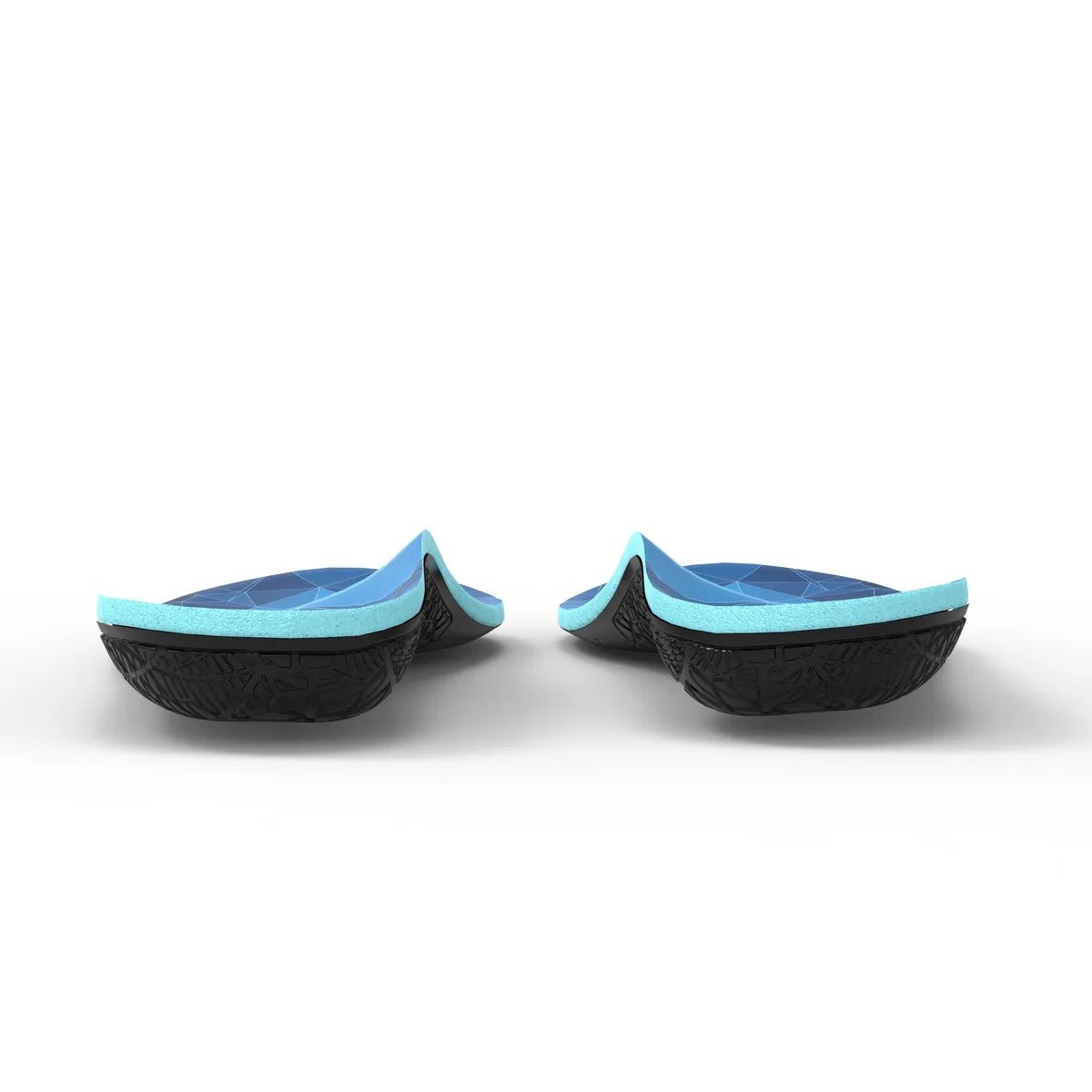
Cushioning is one part of the fit. In PerseveranX, it sits above a contoured EVA comfort base and a TPU frame for arch support and heel cradling. The EVA is approximately 0.04 in (1 mm) at the forefoot and thicker at the heel; the finished insole has a shaped profile.
For roomier work footwear, our work-boot guide explains how to check the space above the toes and around the heel. A material upgrade should feel comfortable inside the shoe you actually wear.
What to check as you wear them
Look for persistent uneven compression, separating layers or damage to the support. Pay attention to changes in heel seating and arch contact, and inspect the shoe itself too. The useful question is whether the whole setup still fits and feels as it should.
Choose by recovery, support and the response you enjoy. Find your PerseveranX feel to put those choices together.